

Tetra Pak accelerates food system resilience with GHG reductions across value chain

Key takeaways
- Tetra Pak cut value chain emissions by 34% since 2019 and reduced operational emissions by 56%, with 97% renewable energy use.
- The company launched Tetra Pak Factory OS and expanded global innovation centers to help customers optimize operations and reduce environmental impact.
- It advanced food system resilience through packaging R&D, school feeding programs, and large-scale land restoration projects.
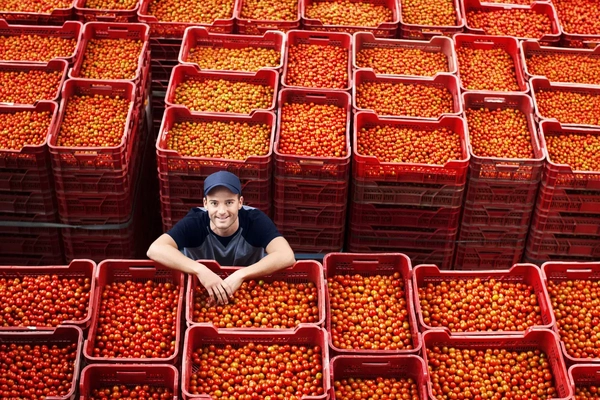
Tetra Pak has unveiled its 27th Sustainability Report, highlighting significant strides in reducing greenhouse gas (GHG) emissions across its operations and global value chain, while reinforcing food system resilience.
In 2025, the company achieved a 34% reduction in GHG emissions across its value chain compared to 2019, representing nearly a 12-percentage point improvement over 2024. Within its own operations, Tetra Pak cut emissions by 56%, while sourcing 97% of its electricity from renewable energy.
“Feeding a growing global population is becoming ever more complex as environmental risks intensify,” says Adolfo Orive, president and CEO of Tetra Pak. “This is why we remain firmly committed to strengthening the resilience of the world’s food systems. With clear, measurable targets in place, 2025 marked a year of tangible progress, including passing the milestone of a one‑third reduction in GHG emissions across our value chain.”

“Achieving lasting change depends on collaboration, and we look forward to continuing to work closely with our customers and partners to turn shared ambition into enduring progress.”
The company also developed an integrated climate and nature risk and opportunity assessment in 2025 to guide strategic actions and investment decisions. This assessment identifies priority risks and opportunities across Tetra Pak’s operations and value chain, ensuring that efforts target areas that can deliver the greatest long-term value for resilient food production.
Complementing this, the Approach to Nature framework was updated to remain responsive to evolving environmental and industry challenges.
Cutting emissions across the value chain
The report emphasizes initiatives that have helped reduce utility, material, and energy consumption. Notably, the launch of Tetra Pak Factory OS, a next-generation automation and digital ecosystem, allows customers to optimize operations, improve efficiency, and minimize losses.
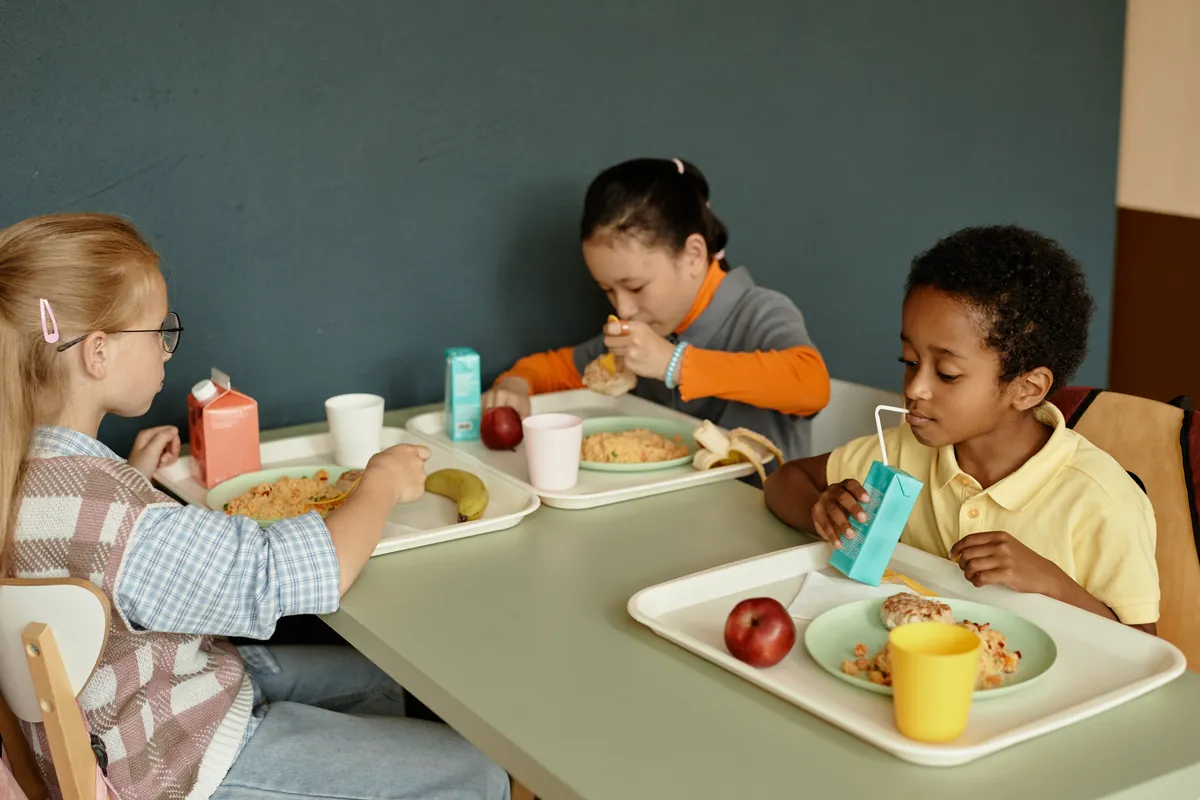 Tetra Pak’s school feeding programs reached 68 million children across 52 countries in 2025, combining sustainability with social impact.A total cost of ownership approach has also been integrated into customer solutions, ensuring that lifecycle impacts of equipment are fully considered.
Tetra Pak’s global innovation network expanded in 2025 with three new centers: the Product Development Centre in Cholet, France; a Customer Innovation Centre in Bangkok, Thailand; and a Tetra Pak New Food Technology Development center in Karlshamn, Sweden.
These facilities provide partners with testing, prototyping, and scaling capabilities to bring safe, sustainable food products to market worldwide.
Food Ingredients First recently sat down with Sean Sims, VP Automation & Solutions at Tetra Pak, to explore how digital technologies are reshaping F&B manufacturing.
Innovation for resilient food systems
Long-term climate targets remain firmly on track, including a 46% reduction in value chain GHG emissions by 2030, 100% renewable electricity across operations by 2030, and net-zero emissions by 2050.
To support these ambitions, Tetra Pak invested approximately €100 million (~US116 million) in packaging R&D, developing a paper-based barrier for juice packages that reduces carbon footprint by 43% compared to traditional aseptic packages using aluminum and fossil-based polymers.
The company also reinforced its commitment to social impact and food security. In 2025, 68 million children across 52 countries received milk or other beverages through school feeding programs, an increase of two million children from 2024.
Further, Tetra Pak signed a Memorandum of Understanding with the UN Industrial Development Organization at COP30 to scale decarbonization and innovation in food systems.
Environmental stewardship was also advanced via the Araucaria Conservation Project, adding more than 1,600 hectares of restored land in 2025 alone. The company conducted an in-depth review of human rights impacts across its value chain, ensuring that social responsibility remains integral to its sustainability strategy.