
Nestlé H1 volumes strengthen but currency headwinds and higher costs hit profit

Key takeaways
- Nestlé delivered 3.6% organic growth, led by coffee, food, snacks, and emerging markets.
- Currency pressure, commodity inflation, and an infant formula recall weighed on sales, margins, and profit.
- The company maintained its outlook while advancing portfolio consolidation through the Peranel joint venture.
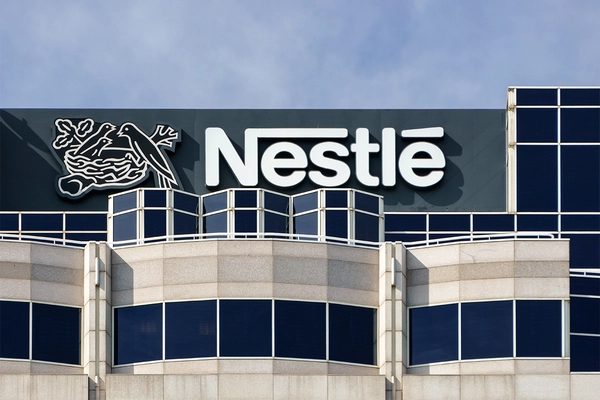
Nestlé has reported stronger real internal growth (RIG) in the second quarter of 2026, supported by coffee, food and snacks, and emerging markets. Meanwhile, currency headwinds, commodity costs, an infant formula recall, and portfolio-related charges weighed on reported sales and profit.
Sales for the first six months were CHF 43.1 billion (US$52.9 billion), down 2.5% on a reported basis from CHF 44.2 billion (US$54.2 billion) a year earlier. Foreign exchange reduced sales by 6.2%, more than offsetting organic growth of 3.6% and a 0.1% contribution from net acquisitions and divestitures.
Organic growth comprised pricing of 2.1% and RIG of 1.5%. RIG improved from 1.2% in the first quarter to 1.8% in the second, while second-quarter organic growth reached 3.7%. Pricing moderated to 1.9% during the quarter.

Nestlé CEO Philipp Navratil says the company is progressing toward its medium-term RIG target while increasing investment behind leading brands and growth platforms. All geographic zones, globally managed businesses, and product categories delivered positive organic growth in the second quarter.
Coffee and food brands lead category performance
Coffee was Nestlé’s strongest major category in the first half, delivering organic growth of 7.5%, including 4.7% pricing and 2.9% RIG. Nescafé was the primary driver, while second-quarter coffee growth of 5.8% also benefited from Starbucks and Nespresso. Coffee mate remained soft.
Food and snacks posted 3.7% organic growth, supported by 1.9% RIG and 1.8% pricing. Maggi, KitKat, and Milo contributed, with Asia, Oceania, and Africa providing the main regional impetus during the second quarter. Frozen food was the category’s principal weak spot.
Waters and premium beverages grew 5.1%, supported by pricing and international brands, including S.Pellegrino, Sanpellegrino, and Maison Perrier.
Nutrition was the only category to decline over the six-month period, with organic growth of negative 1.2%. Strong adult and medical nutrition sales were offset by infant nutrition. Nestlé estimated that an infant formula recall reduced group organic growth by approximately 90 basis points in the first quarter and 30 basis points in the second.
Nutrition returned to 1.7% organic growth in the second quarter as the recall’s impact eased, particularly in Asia, Oceania, and Africa.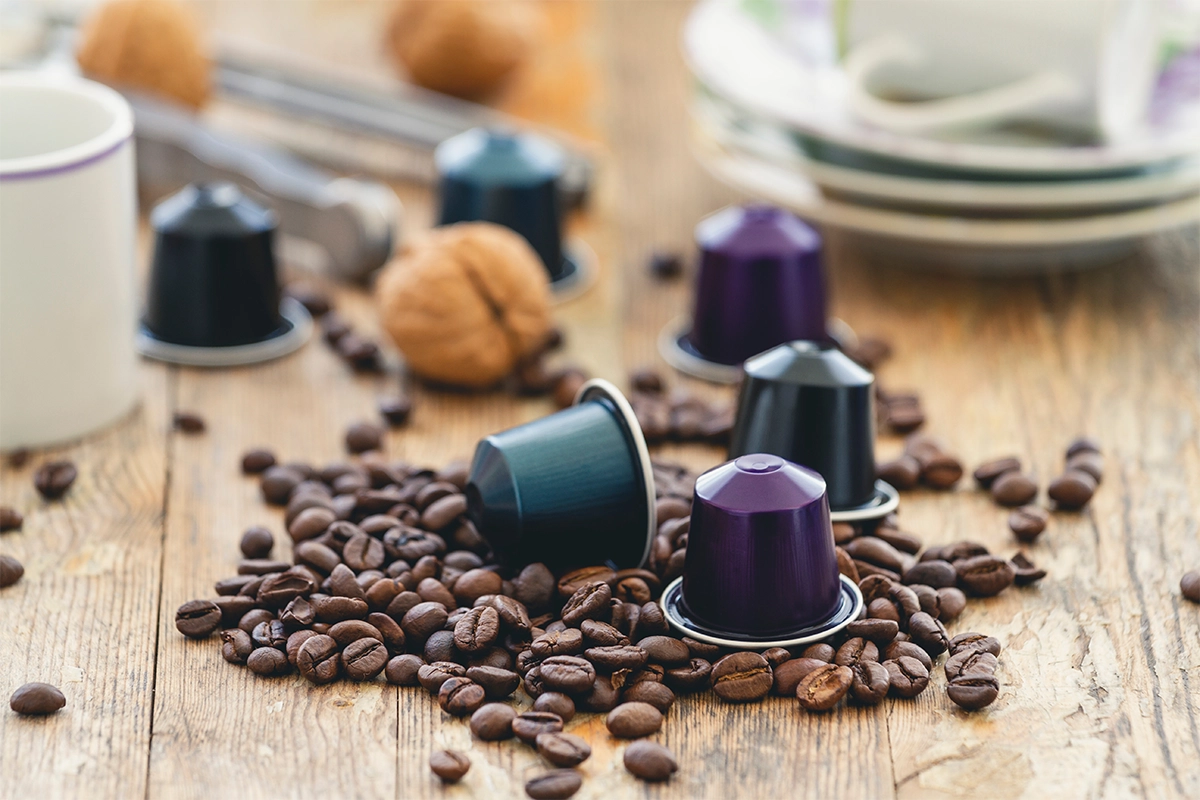 Nestlé reported 3.6% organic growth in the first half of 2026, supported by coffee, food and snacks, and emerging markets.
Emerging markets accelerate
Emerging markets recorded organic growth of 5.6%, comprising 2.8% RIG and 2.8% pricing. Excluding Greater China, emerging-market organic growth reached 7.1%, with RIG of 3.9%.
Greater China stabilized after Nestlé completed a planned reduction in trade inventory and moved toward a demand-led operating model.
Developed markets delivered 2.3% organic growth, with 0.6% RIG and 1.7% pricing. Nestlé described US sell-out as robust and said European consumer demand was holding up, although retailer delistings affected RIG in parts of Europe.
E-commerce remained a significant growth channel, with organic growth of 12.2%. It accounted for 21.8% of group sales. Out-of-home channels grew 4.1%, compared with 3.6% growth in retail.
Commodity inflation and recall pressure margins
Gross profit was CHF 20 billion, while the gross margin fell 20 basis points to 46.4%. Nestlé attributed the decline to higher coffee and cocoa costs, the infant formula recall, and tariff pressure. Cost savings and pricing largely offset those headwinds.
Underlying trading operating profit fell 2.8% to CHF 7.1 billion (US$8.7 billion). The underlying margin declined 10 basis points on a reported basis to 16.4% but was unchanged in constant currencies.
Advertising and marketing spending rose 30 basis points to 8.9% of sales. Research and development spending remained stable at 1.8%.
Reported net profit declined 31.4% to CHF 3.5 billion (US$4.3 billion), reflecting higher restructuring costs and a CHF 1.3 billion (US$1.6 billion) noncash write-down tied to businesses classified as held for sale.
Free cash flow increased 46.3% to CHF 3.4 billion (US$4.2 billion), supported by lower capital expenditure and reduced working capital outflows.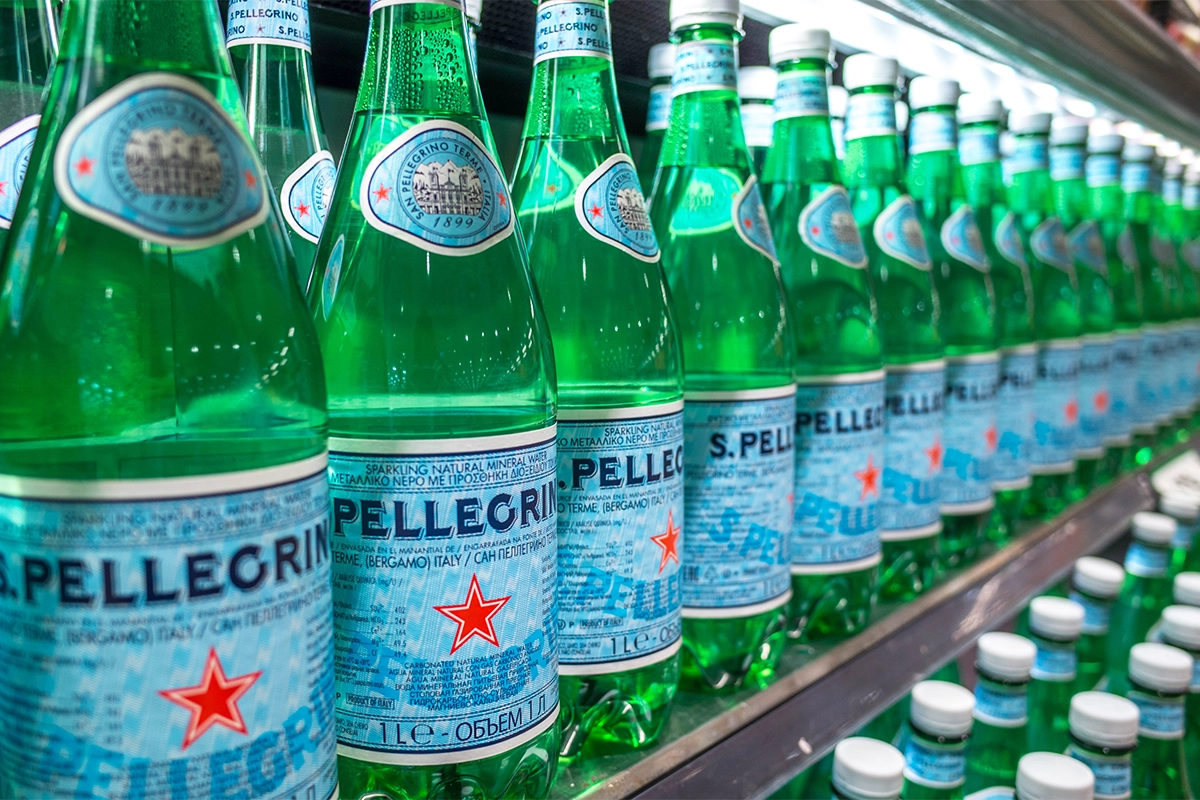 Nestlé and Platinum Equity plan to form Peranel, a 50-50 joint venture comprising more than 30 water and premium beverage brands.
Peranel venture advances portfolio consolidation
Today (July 23), Nestlé and Platinum Equity announced plans to form Peranel, a 50-50 joint venture housing Nestlé’s waters and premium beverages business.
The Paris-headquartered company will comprise more than 30 brands sold in 120 countries, including S.Pellegrino, Source Perrier, Acqua Panna, and Nestlé Pure Life. It will be led by the division’s current CEO, Muriel Lienau.
The transaction assigns Peranel an enterprise value of US$5.6 billion and is expected to close in the first half of 2027, subject to employee consultation processes and regulatory approvals. Nestlé expects to receive approximately €3 billion (U$3.4 billion) at closing.
The structure moves the brands into a jointly owned, independently operated platform and supports Nestlé’s broader consolidation around four core businesses. It does not represent a complete exit from the water category, as Nestlé will retain a 50% interest in Peranel.
The company also completed its acquisition of the remaining 51% of meal-replacement brand yfood in July and divested Blue Bottle Coffee during the first half.
Nestlé maintains full-year guidance
Nestlé maintained its 2026 organic growth outlook of 3–4% and expects RIG to accelerate from 2025.
The company forecast an improved full-year underlying trading operating profit margin, with its second-half margin broadly similar to the first-half level. It also continues to expect free cash flow of more than CHF 9 billion (US$11 billion).