


Ingredion and Kerry back systems approach to clean label & high-protein bakery


Key takeaways
- Multitasking additives such as emulsifiers and dough conditioners are some of bakery’s toughest clean label swaps.
- Protein and fiber demands bring sensory and processing trade-offs that can be addressed by systems-based fixes.
- Innovation is focused on areas like packaged bread freshness and cocoa-driven flavor reformulation, as well as snack-style, multi-occasion bakery.
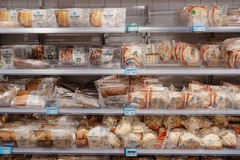
Bakery manufacturers are cutting additives, adding protein and fiber, and reworking recipes as cocoa, fruit, and nut prices swing — and each change puts texture, flavor, or shelf life at risk. Experts at Ingredion and Kerry say the fix is a system of ingredients and technologies, not a one-for-one swap.
Food Ingredients First speaks with Liyi Yang, a business scientist and the snacks and bakery applications lead at Ingredion, along with two Kerry experts — Maria Brandt, global product director for bakery and dairy enzymes, and Peggy Dantuma, director of bakery applications — about the toughest clean label swaps, protein and fiber trade-offs, and where bakery innovation is heading.
Rebuilding lost functionality
Ingredion and Kerry say clean label reformulation in bakery hinges on rebuilding the structure, texture, and shelf life stability that additives provide.
“The toughest clean label swaps are usually the ingredients performing several jobs at once, and emulsifiers and dough conditioners are leading examples,” says Yang at Ingredion.
For Kerry, enzymes are one route to replacing emulsifiers. Brandt explains that they work in the dough until the oven’s heat deactivates them.
“Modern enzymes are biocatalysts that act as highly targeted processing aids during dough preparation, processing, and prior to baking,” she says. “They are crucial technologies for bakers because they can improve dough handling, product crumb structure, volume, and textural freshness, while supporting simpler ingredient declarations.” Ingredion’s Liyi Yang says multitasking ingredients such as emulsifiers are the toughest swaps.
Brandt says bakers can replace or sharply cut traditional emulsifiers by pairing enzymes with hydrocolloids and natural preservation solutions.
“As a result, bakers can achieve clean label objectives without compromising on taste, texture, or processing performance,” says Brandt. “Successful reformulation requires a purpose-built solution that recreates the functionality traditionally delivered by emulsifiers and other additives, rather than simply removing ingredients from the recipe.”
Protein and fiber demands
Looking toward functional boosts, both companies say protein and fiber have the biggest demand. Yang says the demand comes from consumers chasing energy, fullness, and digestive comfort, and that the difficulty is adding those benefits without hurting the eating experience.
“Protein and fiber remain among the most in-demand tools for helping consumers achieve energy, satiety, digestive comfort, and long-term wellness goals,” says Yang. “Delivering those benefits successfully requires careful ingredient selection and system design so added nutrition enhances rather than erodes the eating experience consumers expect.”
“Fiber is particularly versatile because it can contribute to bulking, moisture retention, and texture, and in some systems can support sugar reduction by rebuilding body and mouthfeel. Increasingly, brands are looking for solutions that support positive nutrition while maintaining taste, texture, and indulgence in the same product.”
Dantuma, who handles taste and preservation, says extra protein and fiber bring their own formulation challenges.
“Adding protein, fiber, and other functional ingredients introduces significant formulation challenges, particularly around texture, mouthfeel, and off notes,” she says. “High-protein systems can create chalkiness, bitterness, viscosity issues, and heat instability, while fiber can affect fermentation performance and digestive tolerance.”
“Successfully addressing these challenges requires a systems approach rather than focusing on a single ingredient. Kerry helps customers select the right protein system for their application while combining taste modulation, texture optimization, and enzymatic solutions to deliver balanced sweetness, cleaner flavor profiles, and improved mouthfeel.”
Additionally, Dantuma says that Kerry’s Tastesense Masking technology is able to “pinpoint specific off notes and sensory gaps.” She says that these challenges are usually associated with specific protein sources and that Tastesense Masking technology addresses them through masking, flavor optimization, and taste modulation technologies.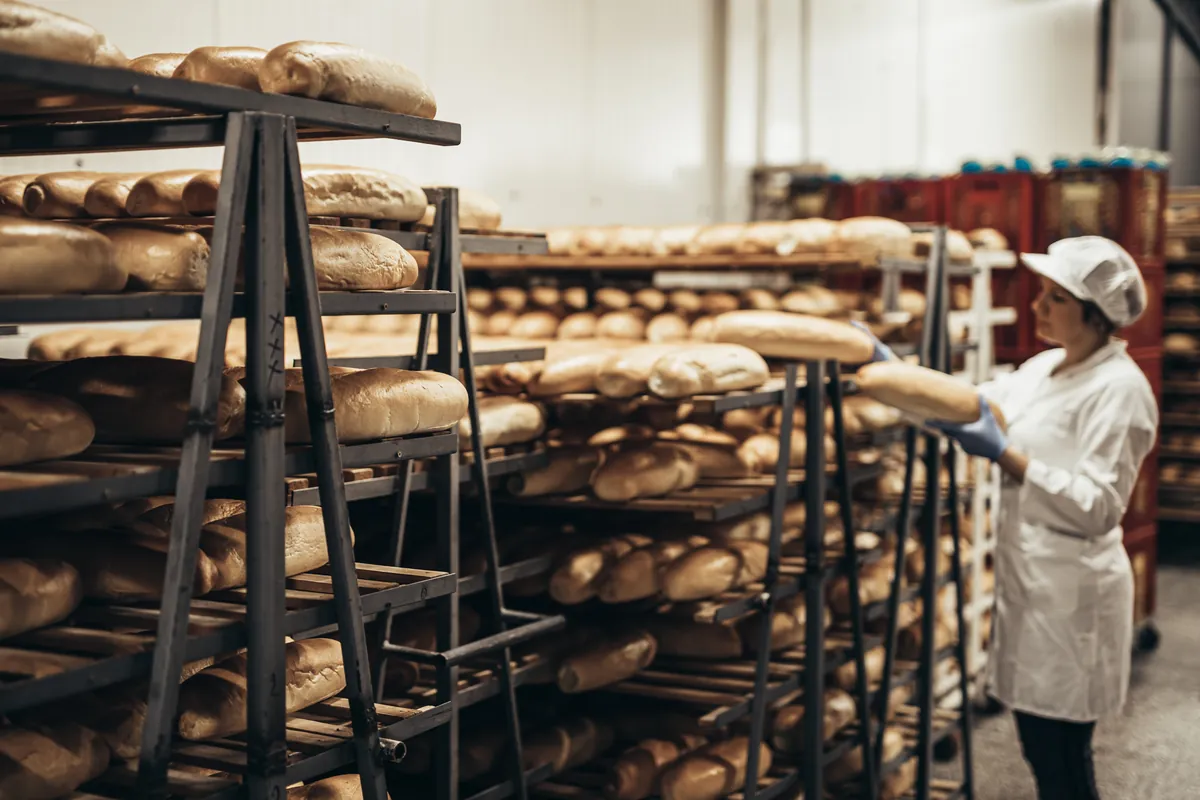 Kerry points to enzymes as processing aids that help bakers cut emulsifiers and says chalkiness and bitterness are high-protein bakery hurdles.
Innovation hotspots
Looking to where innovation is concentrated, the two companies emphasize different segments. According to Dantuma, Kerry names packaged bread and baked goods, where freshness and mold control are the standing commercial problems. Dantuma also points to a second pressure on price and supply.
“Beyond shelf life, flavor innovation is becoming increasingly important as bakery manufacturers face volatility in ingredients such as cocoa, fruit, and nuts,” she reveals. “Advanced natural flavor technologies, flavor modulation, and encapsulated flavor systems are critical to enable cost-effective reformulation strategies.”
“Kerry’s Cocoa Booster technology can enable up to 50% cocoa powder reduction using natural solutions that help replicate cocoa’s depth, richness, and flavor complexity.”
Ingredion looks at innovation through consumption. Yang says that their is growth in bakery snacking.
“Snack-oriented bakery products and bakery items consumed across multiple eating occasions are driving the most innovation, according to the Innova Snacking Survey 2026,” she says. “Biscuits, muffins, and portioned sweet or savory options are increasingly consumed in these snack-like moments.”
“As a result, bakery and snacks are converging in how they are used and evaluated,” Yang concludes.