

Lallemand establishes Solyve as dedicated food and beverage enzyme business
Enzyme suppliers are expanding capabilities to support yield, product quality, and supply resilience.

Key takeaways
- Lallemand repositions Solyve as a dedicated F&B enzyme business, unifying its technical and customer-support capabilities.
- The move follows Lallemand’s acquisition-led expansion and wider industry investment in enzyme production and supply resilience.
- Enzyme innovations are targeting higher yields, longer shelf life, contaminant reduction, and improved beverage processing.
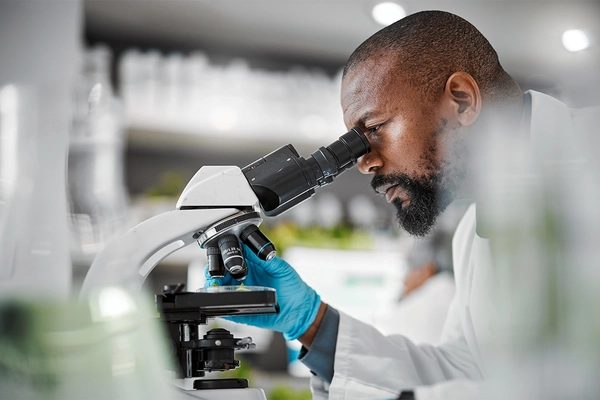
Lallemand has launched Solyve as a dedicated food and beverage enzyme business. The move brings its scientific, manufacturing, and customer support teams into one organization, as suppliers invest in technologies to improve processing efficiency and product performance.
The business combines yeast-based enzyme expression and fungal solid-state fermentation. Its expertise spans development, formulation, analysis, quality, regulatory affairs, and applications. Defne Saral, who joined the company to lead Solyve, will oversee its next phase of growth.
In its announcement, Lallemand says the market-facing organization gives customers a clearer point of contact for enzyme solutions. Solyve remains part of the group, with existing product brands, customer relationships, quality systems, and supply commitments unchanged.
Lars Asferg, president and general manager of Lallemand Bio-Ingredients, says Solyve gives the business “a clearer identity, a more distinct market presence, and a dedicated platform from which to grow.”

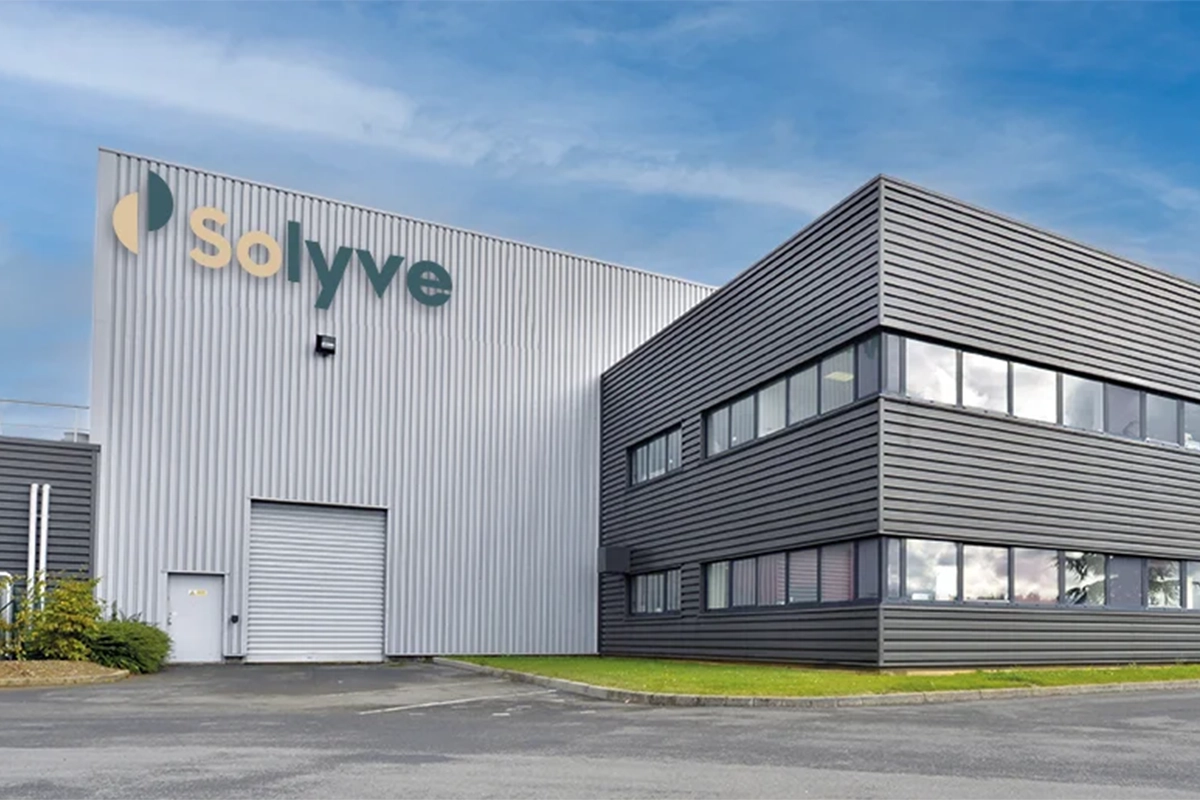
The business is anchored in Colombelles, France. While the launch establishes dedicated leadership and resources, the announcement does not disclose a new investment figure or additional production capacity.
Building on acquisitions
The move follows Lallemand’s expansion through acquisitions. In August, the company completed its purchase of Bio-Cat Enzymes & Microbials, strengthening its US manufacturing footprint and adding enzyme, probiotic, and microbial capabilities.
The US-based business serves markets including food ingredients, dietary supplements, animal nutrition, and agriculture.
 Solyve combines yeast-based enzyme expression with fungal solid-state fermentation.At the time, Lallemand CEO Antoine Chagnon said the acquisition would increase US production capacity and reinforce the company’s presence in health ingredients and dietary supplements, while supporting customers across other industries.
That transaction followed Lallemand Bio-Ingredients’ acquisition of Solyve from France’s InVivo group. The latest launch, therefore, builds on an existing enzyme business and name, giving the expanded F&B activities a common identity.
The September announcement does not specify whether Bio-Cat operations will form part of Solyve.
Investment in supply resilience
The Solyve launch comes as competitors expand their own enzyme capabilities. We reported yesterday on Novonesis’ €600 million (~US$699 million) investment in an enzyme production facility in Patalganga, India, expected to be fully operational in 2030.
The site will serve food and beverage, biofuels, and household care markets, strengthening supplies across India, the Middle East, Africa, and South Asia. Novonesis says it will incorporate water recycling and energy-efficient technologies.
Krishna Mohan Puvvada, the company’s regional president for the Middle East, India, and Africa, previously told Food Ingredients First that customers want more resilient supplies, shorter lead times, and reliable access to advanced technologies.
He also identified raw material price volatility as a driver of demand for biosolutions that reduce waste and increase output from available resources. For enzyme suppliers, that puts manufacturing reliability alongside application performance in the commercial offering.
More value from processing
Recent product developments show how manufacturers’ demand for greater resource efficiency is translating into specific production gains.
In our IFT FIRST 2026 interview with Curie Co, founder and CEO Erika Milczek presented Curabind, an enzyme designed to stabilize proteins by increasing the number of bonds between them.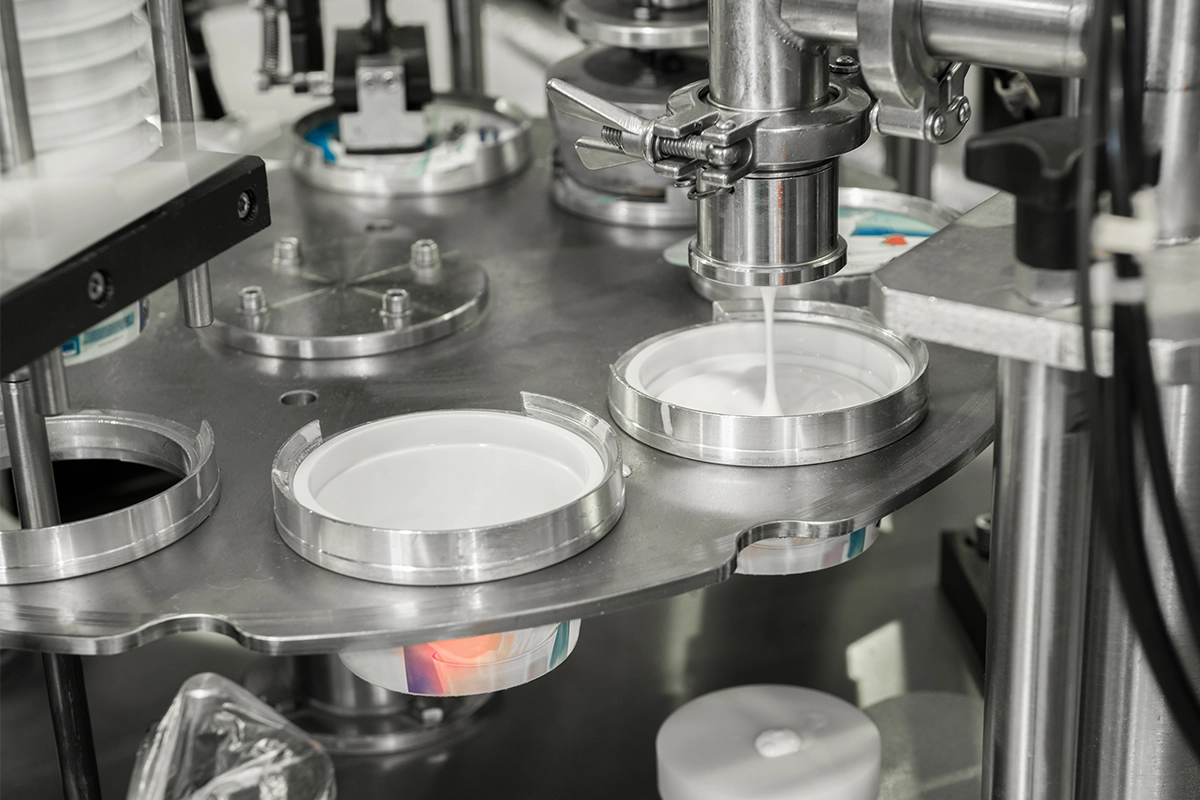 Enzyme technologies are increasingly targeting higher yields, simpler formulations, and improved processing efficiency.
Milczek said the technology could improve cheese curd yields by up to 11% and strained yogurt mass by 25%, while supporting longer shelf life. She also highlighted its potential to replace gums, hydrocolloids, and modified starches.
Those claims illustrate the appeal of enzymes that address several production targets together: retaining more material in the finished product, maintaining stability, and simplifying formulations.
Enzyme development is also targeting contaminants. In May, Food Ingredients First reported a positive European Food Safety Authority scientific opinion of Kerry’s Acrylerase amidase enzyme for coffee extracts used in instant coffee and coffee substitutes.
Kerry says Acrylerase breaks down acrylamide after it forms and can reduce levels by up to 90% under relevant processing conditions, without altering taste, aroma, yield, or existing workflows. The application highlights the value of technologies that can fit established production processes while addressing a specific quality challenge.
Brewing opportunities
In beverages, enzymes are helping manufacturers balance reformulation with sensory performance. In an April interview, IFF told us how its Diazyme Nolo transglucosidase enzyme supports full-bodied no- and low-alcohol beer while reducing grist use.
Simon Bird, IFF’s vice president of food, beverage, and biosciences, said the technology gives brewers an affordable base for developing craft-style profiles, more complex flavors, and functional beverages.
Together, these applications demonstrate how fermentation expertise can support measurable improvements in yield, ingredient costs, flavor, and ease of adoption across food and beverage production.