


US–Canada trade dispute escalates as whey import ban and dairy tariffs disrupt ingredient trade

Key takeaways
- The US will ban imports of several Canadian whey products from September 29, escalating its existing dairy tariffs.
- Canada has imposed tariffs of up to 50% on US whey, casein, milk proteins, and other dairy ingredients.
- Industry groups differ over tariff strategy as manufacturers warn of higher costs, supply disruption, and sourcing uncertainty.
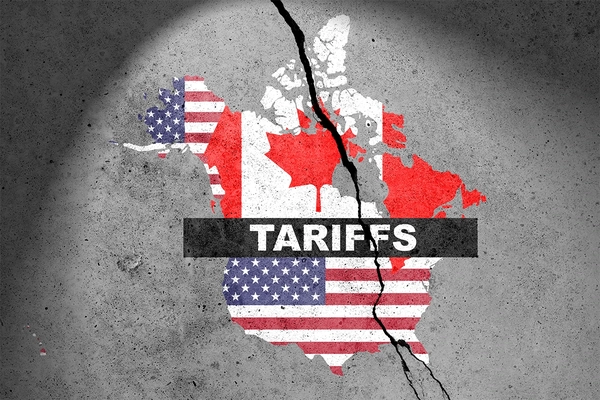
The US–Canada trade dispute has intensified, with Washington moving to ban imports of several Canadian whey products and Ottawa imposing tariffs of up to 50% on US dairy ingredients.
Under a White House proclamation, the US import ban will take effect on September 29. It covers whey protein concentrates, modified whey, fluid whey, and dried whey, alongside certain molasses products and non-alcoholic beer.
The measure escalates the 50% tariffs imposed by the US on selected Canadian dairy products on August 22. Separately, Washington has added various Canadian cheese products to the list of imports facing 50% duties from September 15.
Canada’s countermeasures took effect on September 8. They apply 50% tariffs to US whey protein concentrate, powdered and modified whey, casein, milk albumin, milk protein substances, and several milk powders. US cheeses, including cheddar, mozzarella, Gouda, Parmesan, and processed cheese, face 25% duties.

The Canadian government says the wider counter-tariff package covers CA$27.6 billion (US$20 billion) of US imports and matches Washington’s measures “dollar for dollar, rate for rate.”
Whey market absorbs another shock
The restrictions introduce another risk for manufacturers already contending with tight whey availability and elevated prices. Food Ingredients First recently reported that “proteinmaxxing” and GLP-1-related demand are squeezing whey supplies, prompting suppliers to expand capacity and formulators to explore complementary plant proteins and blended systems.
The market pressure has been visible in company results. Arla Foods Ingredients’ first-half revenue increased by 19.3%, supported by higher whey prices and demand for value-added nutrition ingredients.
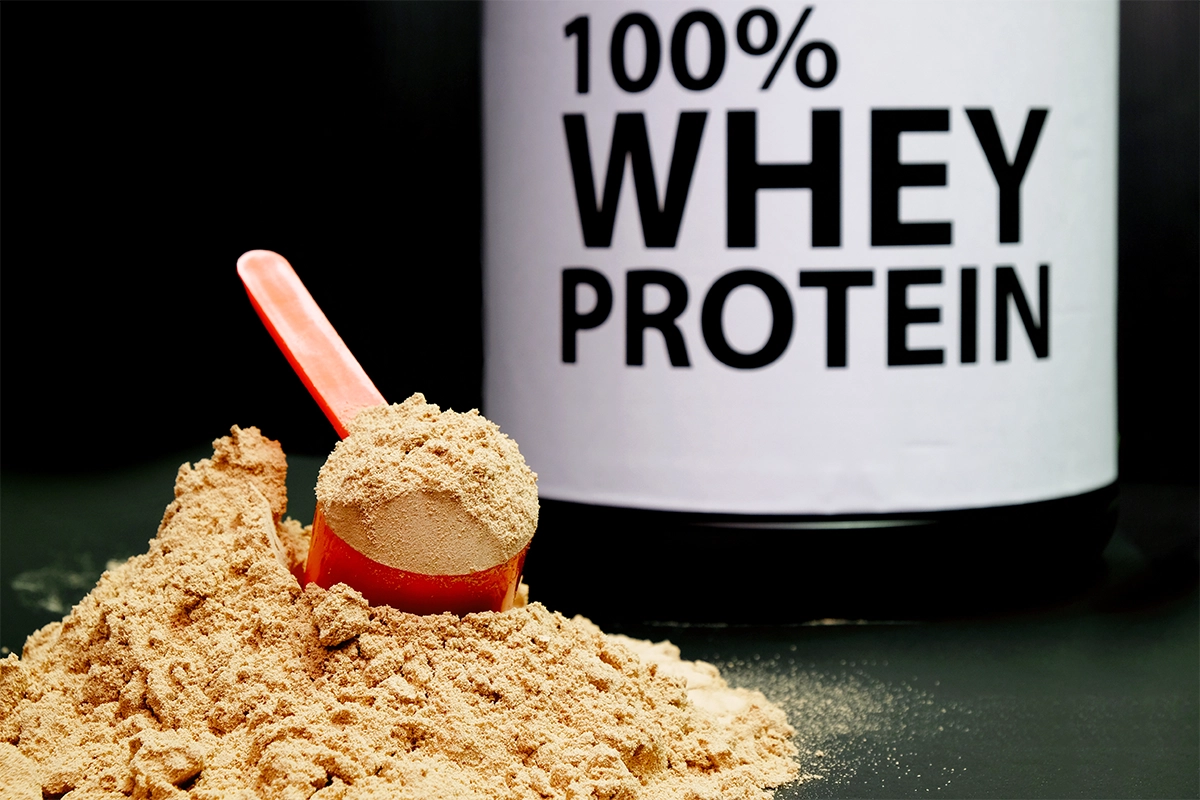 The US import ban adds pressure to an already strained whey protein market.For cross-border customers, the effects could extend beyond the immediate tariff costs and import restrictions. Manufacturers may have to review contracts, qualify alternative suppliers, redirect inventories, or reformulate products. Whey proteins are used widely in sports nutrition, snacks, beverages, bakery products, and dairy applications, where switching ingredients is rarely a straightforward one-for-one substitution.
The Canadian Health Food Association warns that whey protein, honey, and packaging may all be affected, with implications for sports nutrition, functional foods, snacks, and other wellness products. The organization says the counter-tariffs add “another layer of cost and uncertainty” for businesses already managing pressure on margins and supply chains.
Our previous reporting examined how manufacturers are responding to rising whey costs through collagen-whey combinations, plant proteins, enzymes, and longer-term precision fermentation strategies. The new trade barriers may accelerate that diversification, although alternative systems must still meet nutrition, taste, texture, solubility, and processing requirements.
US groups differ over tariff strategy
US dairy organizations have generally supported the earlier tariffs. They see them as leverage in the long-running dispute over Canada’s administration of dairy tariff-rate quotas under the US–Mexico–Canada Agreement (USMCA).
Before the latest import ban was announced, National Milk Producers Federation (NMPF) president and CEO Gregg Doud said the tariffs showed that Canada’s treatment of its USMCA commitments carried “real consequences.” NMPF and the US Dairy Export Council have called for binding changes to Canadian quota eligibility and administration, alleging chronic quota underfill and circumvention of USMCA dairy protein rules.
However, the wider Agricultural Coalition for USMCA, which represents over 50 farm organizations, has pressed for products covered by the agreement to be exempted from the duties. Spokesperson Bryan Goodman said the three countries need “a good trilateral agreement,” arguing that sectoral disputes should be resolved within a strengthened USMCA framework.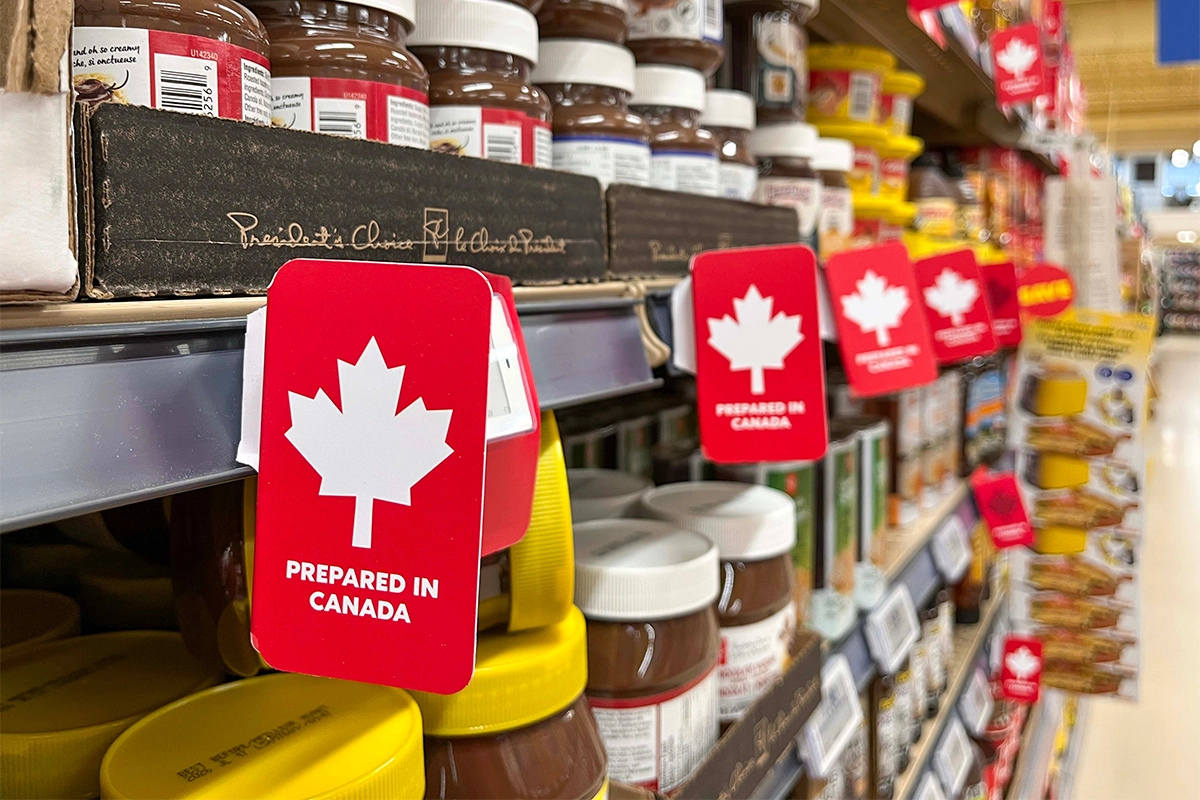 Canadian tariffs target US whey, casein, and milk proteins at rates reaching 50%.
The positions reveal different priorities within US agriculture. Dairy representatives have supported targeted tariff pressure over market access, while the wider coalition — including the US Dairy Export Council — has emphasized USMCA exemptions and predictable regional trade. NMPF has called on Canada to return to negotiations and prevent further escalation. However, its cited September 1 statement predates the new whey import ban.
US cheese exporters also have significant exposure to Canada’s response. The Wisconsin Cheese Makers Association says the US shipped 51.5 million lb of cheese to Canada in 2025, three times the 2018 volume. Nearly 10% of US cheese production was exported globally last year, making continued market access increasingly important to processors.
Manufacturers seek predictability
Canadian food and manufacturing groups have generally backed a targeted response while warning against tariffs on essential inputs.
Michael Graydon, CEO of Food, Health & Consumer Products of Canada, says counter-tariffs should create leverage without “unnecessarily raising costs here at home.” He cautions that tariffs on ingredients, packaging, and equipment are ultimately paid by Canadian businesses, weakening competitiveness and increasing pressure on household budgets.
Graydon says members are reviewing supply chain exposure, sourcing and production scenarios, inventories, and future investment. But he warns that companies “can only plan around so much uncertainty,” particularly when decisions on facilities and capital spending have long-term consequences.
Food and Beverage Canada has similarly identified instability as the central concern. It says integrated North American supply chains depend on predictable market access and has called for de-escalation and a negotiated settlement.
Dairy Farmers of Canada says the continuing dispute is creating “unpredictability and instability” across the economy, while Canadian Agri-Food Trade Alliance executive director Michael Harvey has warned of an “escalatory spiral.”
With the US ban due to begin on September 29, the immediate question is whether the measures bring both governments back to the negotiating table or further fragment North American dairy ingredient flows.
For formulators, the dispute is already turning trade policy into a practical sourcing, cost, and supply-security challenge.