




Protein plus fiber: Solving texture and tolerance in GLP-1 formats
Key takeaways
- Protein and fiber’s different hydration and functional properties can affect texture, viscosity, moisture retention, and overall product quality.
- Protein sources, fiber types, hydration methods, blending sequences, and sweetener systems all influence finished-product performance.
- Manufacturers must maintain appealing texture, stability, and digestive tolerance while delivering higher protein and fiber levels in GLP-1-oriented formats.

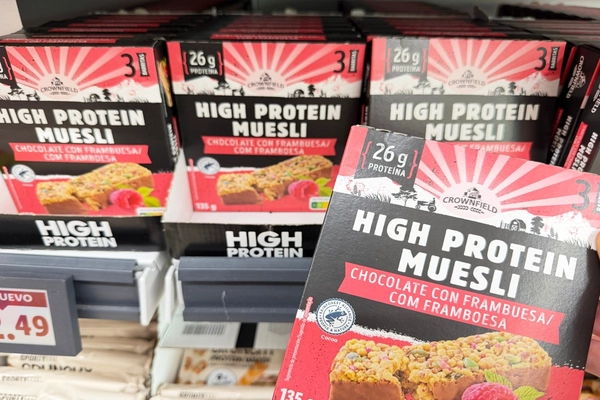
Protein and fiber may be an increasingly attractive nutritional combination for food manufacturers responding to the GLP-1 market, but getting the two to work together in a finished product is proving to be a more complicated exercise than simply increasing their inclusion levels.
Both ingredients bring valuable nutritional functionality, yet they can also introduce competing demands on formulation.
Higher protein levels can contribute to dryness, chalkiness, and structural changes, while certain fibers increase water absorption, viscosity, or density. Combine the two, reduce sugar, and attempt to maintain a familiar eating experience, and the formulation challenge becomes considerably more complex.
For manufacturers, the question is no longer simply how much protein and fiber a product can deliver, but how to manage their interactions throughout processing and shelf life, while ensuring that the finished product remains palatable and well tolerated.
As GLP-1 medications continue to influence food development priorities, attention is increasingly turning to the technical detail behind nutrient-dense formats, from hydration and ingredient ratios to blending sequences, sweetener systems, and moisture management.
The challenge is particularly relevant to protein bars, fortified beverages, bakery products, and spoonable dairy alternatives, where the physical behavior of ingredients can determine whether a nutritionally ambitious formulation succeeds or falls short.
Water management and ingredient compatibility
One of the first considerations is how different protein and fiber ingredients behave in the presence of water. Both can influence water availability within a formulation, but their requirements and functional properties vary considerably.
Proteins differ in their solubility, dispersibility, and water-holding capacity, while fibers can range from highly soluble ingredients that influence viscosity to insoluble materials that contribute bulk and alter product structure.
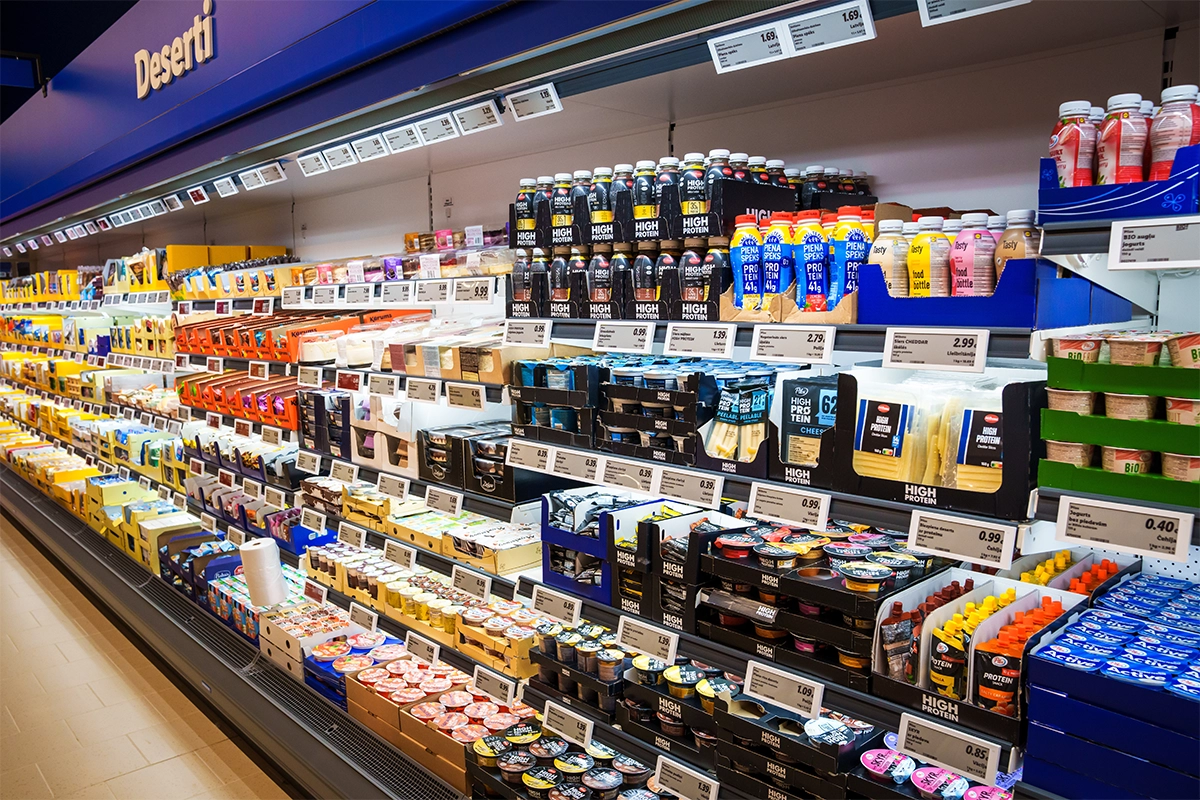 High-protein formulations can present challenges in maintaining moisture, texture, and mouthfeel.This means that the choice of ingredients, rather than their individual nutritional contributions alone, can determine how successfully they work together. A soluble fiber, for example, may help build the body and improve mouthfeel in a beverage, but its impact on viscosity needs to be considered alongside the protein system.
In a bar or bakery application, meanwhile, water-holding capacity and moisture distribution become particularly important in determining whether the finished product retains an acceptable degree of softness and chewiness.
There is consequently no single protein-to-fiber ratio that can be applied across all food categories. The optimum balance will depend on the protein source, fiber characteristics, desired nutritional specification, and physical properties of the finished product.
Hydration and processing: Getting the sequence right
Beyond ingredient selection, the way protein and fiber are incorporated can have a significant influence on the final product. Hydration is a particularly important consideration, as insufficiently hydrated ingredients can contribute to graininess, poor dispersion, and inconsistent texture, while excessive water binding can leave a formulation difficult to process or overly dense.
Depending on the ingredients and application, pre-hydrating certain fibers, dispersing proteins separately, or adjusting the mixing sequence may help achieve more consistent functionality.
Mixing intensity, temperature, processing time, and pH can also influence ingredient behavior, making it important to assess the complete formulation rather than treating individual ingredients in isolation.
These considerations become especially relevant when manufacturers are working with multiple functional ingredients. Fiber may be included to increase nutritional content and manage moisture, while protein contributes nutritional value and structure.
Additional stabilizers, hydrocolloids, or bulking agents may then be needed to achieve the desired consistency. However, each additional component introduces another interaction that needs to be understood and controlled.
The challenge becomes more pronounced in reduced-sugar formulations. Sugar contributes considerably more than sweetness, playing a role in bulk, moisture retention, and structure.
Replacing it with high-intensity sweeteners does not automatically replicate these functions. Manufacturers may therefore need to combine alternative bulking ingredients, fibers, and texturizing systems to restore the properties lost through sugar reduction, while avoiding excessive thickness, hardness, or stickiness.
Finding the right combinations
The importance of ingredient compatibility has also emerged in previous Food Ingredients First interviews, with suppliers highlighting how the choice of individual components can influence the performance of the finished formulation.
In an earlier interview exploring sensory solutions and food fortification for GLP-1 consumers, Laurens Delameilleure, global key account manager at Sensus, discussed the functionality of the company’s Tendra fava bean protein isolate. GLP-1 consumer needs are driving innovation in nutrient-dense foods that balance protein, fiber, and digestive tolerance.
Its relatively low viscosity, he explained, allows manufacturers to increase protein content without significantly compromising texture or taste. This illustrates how protein selection can influence the amount that can be incorporated before sensory properties become problematic.
Tendra is a plant-based protein isolate made from European-grown fava beans, originally brought to market through Royal Cosun/Sensus, but now offered under Cosun Ingredients.
Tate & Lyle has similarly highlighted the role of multifunctional ingredients in restoring sensory properties during reformulation. Emma Cahill, global marketing director for sweeteners, fiber, and GLP-1, previously discussed pectin as a way of rebuilding mouthfeel in sugar-reduced applications.
“Pectin is a great enabler for building back mouthfeel and pleasure cues in sugar-reduced applications and as a result connects to permissible indulgence,” she told us.
Balancing texturizing ingredients
The challenge of balancing fiber inclusion with finished-product quality has also been highlighted by Anke Golde, senior director of R&D at Ardent Mills. Discussing protein and fiber enrichment, she pointed to the risk of products becoming dense, dry, or gritty as fiber levels increase.
“Balancing different fiber types, optimizing hydration, and pairing them with the right proteins or texturizing ingredients, such as hydrocolloids, enzymes, or emulsifiers, can help preserve a familiar texture and enjoyable eating experience,” Golde explained.
Taken together, these perspectives point toward a more integrated approach to formulation. Rather than relying on a single protein or fiber ingredient to deliver the desired nutritional benefit, manufacturers need to consider how different components work together to achieve the required texture, stability, and sensory performance.