


AI in food formulation: How do developers choose which recipe to test first?
IFF, AKA Foods, Cargill, Nestlé, and Wageningen University & Research discuss how AI supports ingredient substitutions, R&D efficiency, and manufacturing decisions

Key takeaways
- Food companies are using AI to shortlist flavor and recipe options and bring manufacturing constraints into formulation earlier.
- AKA Foods says developers at South African supplier TDC report saving 10–15 hours a week after adopting a tool that helps them find and reuse past formulation work.
- Wageningen researchers advise manufacturers to test AI tools on reformulations with known results and check how predictions hold up with unfamiliar ingredients or processes.
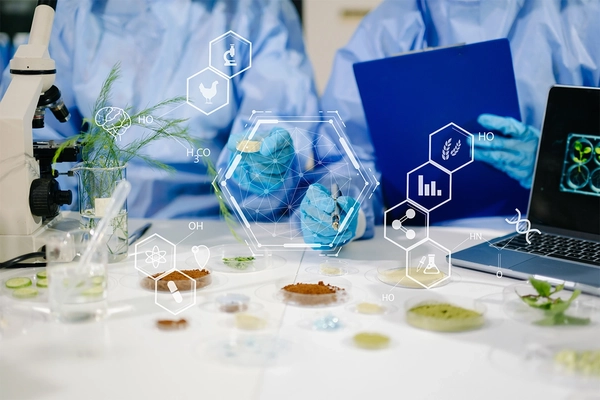
When a key ingredient runs short, a food developer may have several ways to replace it and time to test only a few. The new recipe still has to taste right, hold its texture, and run on the same production line. Which option is worth making first?
Food and beverage companies are using artificial intelligence to make that call earlier. The tools can help teams find past trial results, screen recipe changes, and account for production constraints before settling on a formula.
The payoff depends on what happens next: whether the team can get to a product that meets the same standards with fewer rounds of work.
Screening flavor options across markets
International Flavors & Fragrances (IFF) has used AI to help streamline its strawberry flavor portfolio across several countries. For the flavorists, the aim was to move faster while still accounting for local tastes.
“This can be a lengthy, complex process, but with the right data and AI tools, we were able to optimize and rationalize the portfolio much faster while maintaining or enhancing local consumer preferences,” Benjamin Mattei, vice president of intelligence and digital transformation at IFF, tells Food Ingredients First.
Mattei says IFF uses formulation, chemistry, sensory, and consumer data to help its flavorists identify promising options for tasting and consumer tests.
Last week, IFF launched Concept Muse, an AI tool for developing early-stage food and beverage concepts.
Finding the work that’s already been done
For David Sack, CEO and co-founder of AKA Foods, one place to save time is before a recipe reaches the lab. “A typical case is an ingredient cost spike or a supply shortage, where you need a replacement without hurting the sensory profile,” he says.
“AKA Studio connects formulation, sensory, regulatory, and production data in one place, so the evidence is ready when the decision has to be made,” Sack says. A team looking for a substitute can start by checking whether an ingredient has already been tested in a similar recipe.
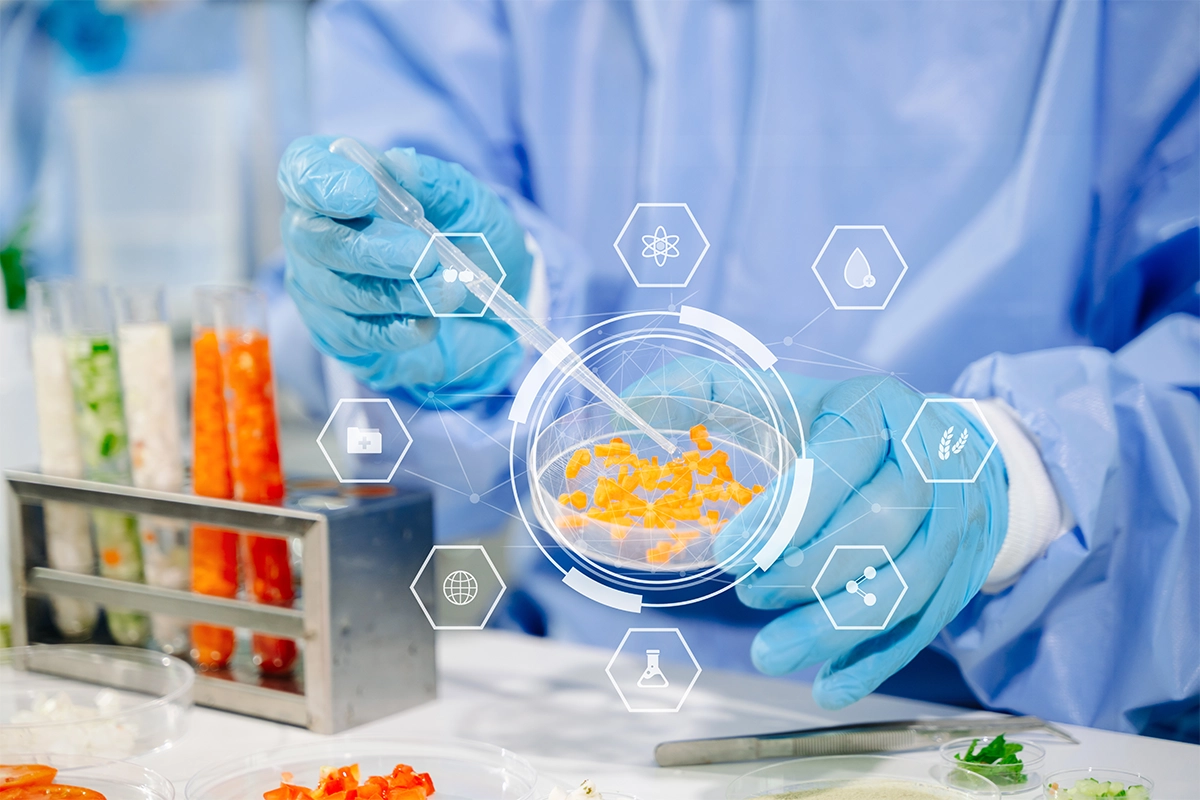 AI can help formulators shortlist ingredient substitutes before they make a test batch.Sack points to TDC, a South African ingredient and product development supplier that previously kept its formulations and findings in a master spreadsheet only a few people knew how to interpret. He says 17 people across two sites now use AKA Studio to find and reuse previous work.
“Its developers report saving 10 to 15 hours a week,” he says.
Other suppliers are tackling a similar problem. Givaudan has used AI to make fragmented consumer research easier for its flavor teams to access.
Organizing records is one step. The data also need to reflect the ingredients, processes, and properties the team wants to predict, says Eirini Pegiou, a food technology researcher at Wageningen University & Research (WUR). “Valuable knowledge also often resides in the experience of food technologists rather than in structured, accessible datasets,” she says.
When there are gaps in the trial data, Pegiou points to another option. “A further opportunity lies in hybrid modeling, which combines data-driven AI with mechanistic models and scientific knowledge of food ingredients and processes.” That can help teams make better use of limited trial data when processing conditions and recipe changes both affect the finished product.
Taking a recipe from the lab to the line
As part of Cargill’s wider use of AI across food R&D, its teams use predictive modeling to consider how changes, such as reducing sugar or increasing protein, could affect taste, texture, and mouthfeel. The aim is to focus testing on the options most likely to meet the brief.
Renee Boerefijn, senior director of R&D for Cargill’s indulgence category, points to a reason those choices can be hard to make: “Ingredients interact, and a change that improves one attribute can affect another.”
She describes the predictive model as a decision-support tool: “It helps our experts decide what to test — it doesn’t make the decision for them.”
Cargill uses lab and plant data to consider manufacturing requirements before settling on a formulation. Boerefijn says a recipe that works on the bench can behave differently on a production line. “Equipment, processing conditions, raw-material variation, and the demands of an existing production line can all affect the finished product’s taste, texture, and consistency.”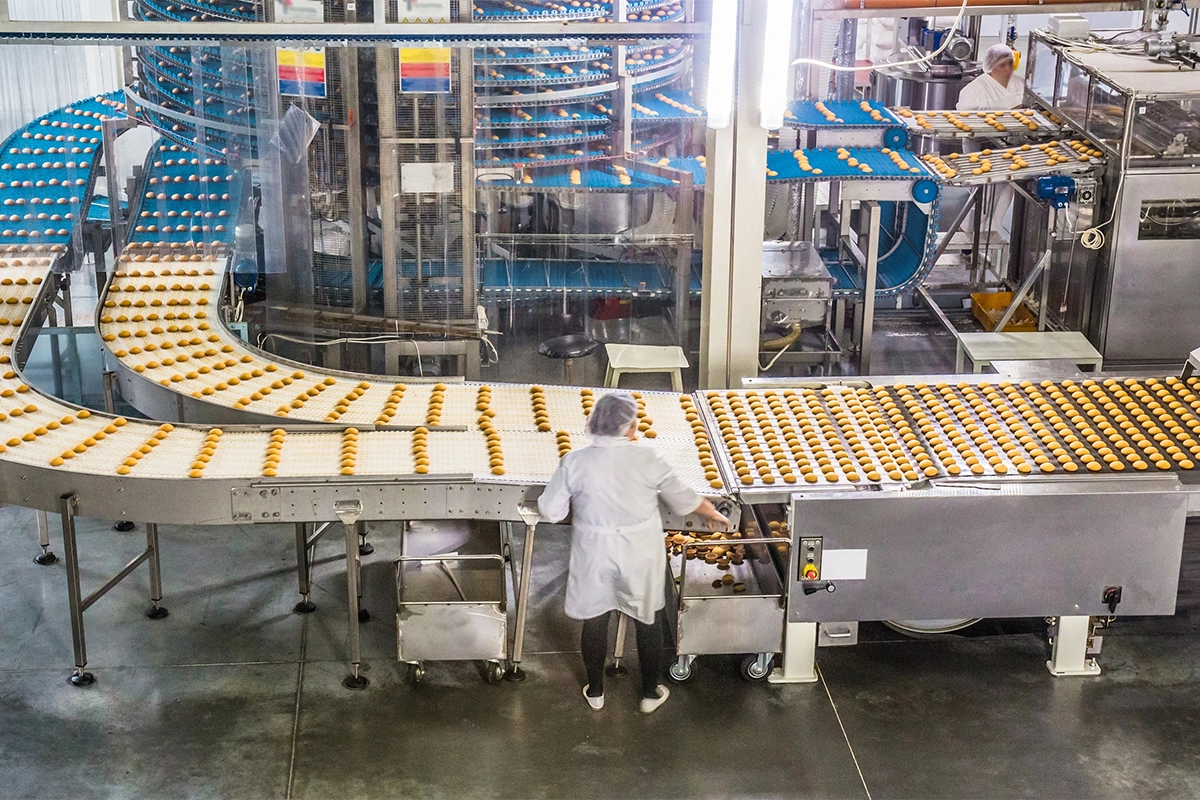 A recipe that works in the lab can change in taste or texture on the production line.
“A solution needs to meet food safety and regulatory requirements, work reliably under real operating conditions, and make commercial sense. It also needs to deliver the intended consumer experience consistently, not just in one laboratory sample,” Boerefijn says.
For Nestlé, reformulation begins with improving a product’s nutritional profile while maintaining the taste, quality, and safety consumers expect.
“Our recipe optimization tools can help product developers navigate the balance between taste, nutrition, cost, and sustainability, and identify promising formulation options, while the final decisions remain with our scientists and product developers,” a Nestlé spokesperson tells Food Ingredients First.
Sack at AKA Foods puts the need for physical testing plainly: “You still have to make it, feel it, and taste it.”
Giving an AI tool a test it hasn’t seen
The move toward predictive ingredient development puts more weight on knowing when a model can be trusted. “Models may perform well under familiar conditions but struggle to predict outcomes for new ingredients, formulations, or processing conditions that differ from those represented in their training data,” says Pegiou at WUR.
That makes the choice of validation data important. “Has the model been tested on independent datasets, beyond the data used to develop it?” she asks.
Pegiou’s fellow WUR researchers Jack Yang and Jos van den Puttelaar describe a small internal pilot in which simulated consumers were prompted with real consumer data. The pilot helped generate ideas, but responses tended to cluster around the average consumer. For manufacturers evaluating a simulated panel, the researchers suggest checking whether it captures the spread of responses from real consumers as well as the average.
The researchers suggest a practical check for formulation tools, as well: start with a past reformulation for which the manufacturer already knows the outcome. Choose a case the model has not seen, give it the original brief, and compare its predictions with the lab or sensory results.
That checks whether a prediction holds up on a problem the team actually faces. To find out whether the tool saves time or cuts trials, use it on a new brief and compare it with the usual workflow. Count how many trials each approach takes to reach the same product specifications.