


Kerry and Cosun Ingredients target Indonesia’s biotics market amid live culture and halal shifts

Key takeaways
- Kerry is using BC30’s “Live Culture” claim approval to expand probiotics into everyday Indonesian food and beverages.
- Cosun Ingredients is highlighting its halal-certified chicory root fiber ahead of Indonesia’s expanded halal requirements.
- Both companies are targeting demand for affordable functional bakery, snack, and beverage products across Southeast Asia.
Indonesia’s food and drug agency (BPOM) has cleared a probiotic ingredient for on-pack “Live Culture” claims, and the country’s Halal Product Assurance Organizing Agency (BPJPH) announced a national halal certification mandate which lands in October of this year. Together, these new regulations are opening the doors for innovation at the upcoming Fi Asia 2026 trade show in Jakarta, Indonesia (Sep 16–18).
Olivier De Salmiech, Kerry’s VP of health and therapeutics, states that BPOM granted Kerry written approval to use the “Live Culture” claim with BC30. BPOM Decision No. 38/2023 lists permitted microorganisms, and microorganism claims need written approval from the head of BPOM.

The BPJPH’s mandatory halal certification for imported food and beverages is set to take effect on October 17, 2026. Law No. 33/2014 makes halal certification compulsory. Government Regulation No. 42/2024 states that the BPJPH will accredit foreign certifiers and register import certificates; the halal inspection agencies will audit overseas plants.
Kerry and Cosun Ingredients are set to exhibit their biotic portfolios at Fi Asia 2026. Kerry will display bakery and snack concepts carrying probiotics, postbiotics, and an ingredient cleared for local use. At the same time, Cosun is bringing a prebiotic chicory root fiber range, which the company says already holds halal certification.
Ahead of the trade show, Food Ingredients First sits down with both companies to discuss how manufacturers can add the health benefits of these regulatory-compliant ingredients to new products, as well as the ones shoppers already buy.
Eszter Heijnen, commercial lead at Cosun, says the company is addressing the country’s regulatory changes and the evolving consumer demands in the region with its plant-based prebiotic offering.
“For customers in Asia-Pacific, this means easier access to a broader portfolio of plant-based ingredient solutions through a single partner, including Sensus chicory root fiber, Tendra fava bean protein, and our texturant solutions,” says Heijnen.
De Salmiech says the requests coming from Indonesian manufacturers are changing.
“The question is moving away from ‘How do I create a functional product?’ toward ‘How do I make everyday products work harder for consumers?’” he says. “Manufacturers increasingly want solutions that bring digestive health, immune support, and broader wellness benefits into familiar formats, such as snacks, bakery products, beverages, and convenient everyday foods.”
Halal mandate and the “Live Culture” claim
According to De Salmiech, the “Live Culture” claim lets manufacturers communicate the presence of live cultures on-pack and in marketing. It followed the country’s recent approval of Kerry’s Bacillus coagulans GBI-30, 6086, which it sells as BC30, to use the claim.
The species Bacillus coagulans has been included in Indonesia’s permitted microorganism list since BPOM Decision No. 38 of 2023 took effect in 2023. Kerry subsequently obtained specific written approval to use the “Live Culture” claim with BC30.
“This opened the door for manufacturers to use BC30 across a broad range of applicable food categories and explore new opportunities in functional food innovation,” he says.
 Kerry’s VP of health and therapeutics says manufacturers now ask which biotic fits their format, and not whether one does.“To use the claim, manufacturers must meet BPOM’s requirements for strain identification, live culture levels at the end of shelf life, supporting analytical validation, and appropriate storage guidance. The approval applies across applicable food categories, excluding Category 13.0 Special Nutrition Products.”
Cosun says the regulatory question it is addressing in Indonesia is the halal certification requirement.
“Indonesia is an important market for Cosun, and we are well prepared for the upcoming requirements,” says Heijnen. “Our chicory root fiber portfolio is already supported by recognized halal certification, enabling us to continue supplying customers with confidence.”
Both Kerry and Cosun present certification as a route to new shelf space rather than a barrier to reaching it.
“We see regulatory alignment and certification as essential enablers for growth, helping food manufacturers bring high-quality, compliant products to consumers while ensuring supply chain continuity,” Heijnen says. “The new requirements reinforce the importance of transparency, traceability, and regulatory compliance across the value chain.”
Affordability, convenience and functionality
De Salmiech at Kerry frames the region’s evolving demands in terms of consumer behavior.
“Indonesian consumers are becoming increasingly proactive about their health and well-being, with 46% actively making healthier dietary and lifestyle choices,” he says. “As a result, manufacturers are looking for new ways to bring meaningful health benefits into the foods and beverages consumers already enjoy every day.”
De Salmiech spotlights that price and affordability also play a larger role in formulation.
“Affordability remains a critical consideration in Indonesia, which is why functionality should not be limited to niche premium products,” he says. “The concepts showcased at Fi Asia demonstrate what is technically possible, but they are designed with flexibility in mind.”
 The commercial lead at Cosun Ingredients points to the halal certification mandate as a route onto Indonesian shelves.“There will always be opportunities for premium offerings, particularly where brands are seeking stronger differentiation or multiple health benefits. However, we see the greatest long-term growth opportunity in accessible functionality, bringing science-backed wellness benefits into products that are familiar, affordable, and scalable.”
De Salmiech says he expects functional bakery and snacking to become an everyday purchase rather than a niche wellness trend. In Jakarta, Kerry will exhibit concepts built on three ingredients — the spore-forming probiotic BC30, the postbiotic ingredient Plenibiotic, and Wellmune, a baker’s yeast beta-glucan postbiotic aimed at immune support.
Plant-based compliance
Cosun Ingredients comes to the trade show under its new name, after the company merged its ingredients business into one organization in July this year. Heijnen adds that the move strengthens its integrated solutions capabilities and boosts its application expertise, while retaining its established brands.
“By combining expertise across fibers and prebiotics, proteins, and texturants, we help manufacturers solve formulation challenges related to nutrition, texture, taste, and sustainability,” Heijnen says.
“Demand for prebiotic fibers and protein enrichment remains strongest in North America and Europe, where digestive health and fiber enrichment are already well-established nutritional benefits that consumers actively seek.”
Additionally, Heijnen says she sees the same benefits gaining ground in Asia-Pacific. Digestive health, fiber enrichment, protein addition, sugar reduction, and metabolic wellness are all drawing more interest. She notes that most of the focus is on beverages, dairy alternatives, nutritional snacks, and supplements.
“Market data shows a steady increase in product launches carrying prebiotic claims across the region, reflecting a broader focus on gut health and preventive nutrition,” she says. “Together, these trends are creating new opportunities for science-based prebiotic fibers of natural origin in Asia-Pacific.”
End-of-shelf-life performance
De Salmiech points out that, according to the new regulations, the obligation of the “Live Culture” claim runs to the end of a product’s shelf life. This has real implications for products carrying the claim.
“For BC30 in Indonesia, end-of-shelf-life performance is particularly important because products carrying the “Live Culture” claim must still meet the required live count when consumers purchase and consume them,” says De Salmiech.
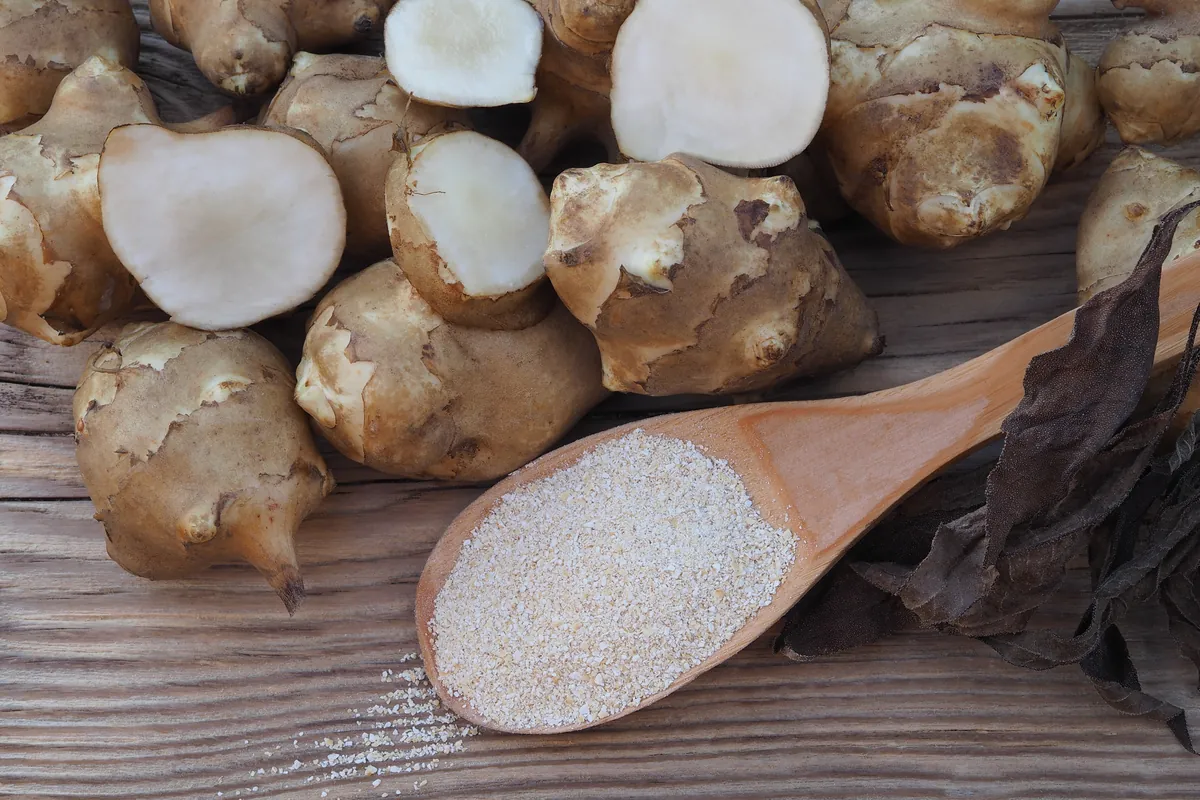 Inulin’s hygroscopic nature can challenge storage in humid climates like Indonesia, but formulation strategies can help maintain performance.“BC30 is a spore-forming probiotic. Its natural protective spore structure provides significantly greater resilience to manufacturing stresses, including heat, than many traditional probiotic cultures. However, because it is a live probiotic, formulation work must consider viability throughout the product’s entire shelf life, not simply at the point of manufacture.”
De Salmiech says that Kerry’s Plenibiotic postbiotic takes viability out of the calculation. He adds that the ingredient delivers digestive health benefits backed by clinical research without depending on live microorganisms.
“This gives manufacturers greater flexibility across processing, storage, and formulation, opening opportunities in challenging formats, such as baked goods, snacks, and shelf-stable products,” he says. “Rather than focusing solely on processing temperatures, we work backward from the intended consumer proposition.”
“We assess the desired health benefit, serving size, clinical evidence, local regulatory requirements, and the conditions the product will experience throughout its commercial life cycle.”
Formulating for humid markets
According to Heijnen, Cosun’s fiber also addresses regional formulation challenges. Inulin has a hygroscopic behavior, and warehousing across much of the region is humid. However, the company says that proper formulation overcomes that concern.
“While moisture management is an important consideration in humid environments, it is not typically a barrier to successful fiber enrichment when using inulin,” Heijnen explains. “Product performance depends on the selected product type, dosage level, and application.”
“We work closely with manufacturers to optimize formulations and select the most suitable chicory root fiber solution for the intended application and storage conditions. This enables customers to achieve their nutritional targets and desired taste profile while maintaining the desired texture and shelf life.”
The question manufacturers bring to Kerry has changed shape, De Salmiech says. They have stopped asking whether to include a biotic ingredient and now ask which one fits the application, the target consumer, and the health benefits they want to include.
“The future of functional food lies in making wellness easier to access,” he concludes. “The most successful innovations will be those that combine credible science, great taste, and everyday convenience, helping consumers make positive choices without changing the foods they already love.”