


Expo West 2026: How dairy ingredient leaders enhance nutrition and overcome taste challenges

Key takeaways
- Dairy ingredient innovators combine high-performance nutrition with enhanced taste and texture in products like protein bars and RTDs.
- Consumer demand for nutrient-dense, flavorful options grows, driven by trends like GLP-1 medications and digestive wellness.
- FrieslandCampina Ingredients and Kerry will showcase solutions that address taste challenges and offer functional benefits at Expo West 2026 in the US.

F&B ingredient suppliers are moving beyond single-claim fortification toward fully integrated, lifestyle-ready solutions, as consumer demand for nutritional products that do not sacrifice flavor and texture grows. Ahead of Natural Products Expo West 2026 in Anaheim, California, US (Mar 3–6), we speak to dairy ingredient giants FrieslandCampina Ingredients and Kerry about their latest innovations combining nutrition and enjoyment.
Most (85%) US consumers say taste is impactful on their F&B purchase decisions, followed by price (76%) and health (65%). Consumer demand for nutrient-dense products is rising, spurred by GLP‑1 medications reshaping eating habits, meaning brands must deliver higher-quality protein for satiety, muscle health, and overall wellness, while preserving taste, mouthfeel, and convenient consumption.

FrieslandCampina will showcase on-trend snack concepts that combine flavor, texture, and nutrition at the trade show, including a Dubai chocolate-inspired crispy indulgent protein bar, a limited edition key lime pie protein bar, chocolate chip cookie dough protein bites, and a high-protein vanilla café latte. “We’re highlighting a simple but powerful message: functional nutrition must deliver on taste as strongly as it delivers on performance,” Floor van der Horst, global marketing director for Performance and Active Nutrition, tells us.
These concepts combine Nutri Whey whey proteins for rapid muscle protein synthesis, and Excellion caseinates for a slower, sustained release of amino acids, while also giving bars, snacks, and drinks a desirable sensory experience. Featured as a “hero ingredient” in several of these concepts, Excellion Textpro delivers elevated texture and sensory appeal.
Kerry’s booth will likewise demonstrate “the convergence of proactive health and uncompromised taste,” showcasing how brands can deliver nutrient-dense, functional benefits, such as digestive support and protein fortification, while creating trend-driven flavor experiences.
The company’s multi-technology approach, featuring the 2026 Taste Charts and KerryNow digital platform, allows brands to instantly order trending flavor samples. At the event, visitors can sample innovative concepts, including a Tangerine Lemonade Women’s Health Gummy, Campfire Jalapeño Chicken Meat Snack, and Orange Creamsicle Kids Dairy Beverage.
Kerry will also highlight BC30 Probiotic and Plenibiotic, science-backed biotics designed for digestive wellness and GLP-1 users. “Ultimately, the theme is about empowering manufacturers to solve complex formulation challenges and create better-for-you products that consumers truly crave,” Emma Passig, senior marketing specialist at the company, tells Food Ingredients First.
Dairy protein: Taste and texture challenges
Dairy protein has moved beyond performance nutrition boundaries and and become a foundational component of cross-category innovation. Bars remain a powerhouse, but the conversation has shifted — success now hinges on delivering indulgent textures and contemporary flavors alongside higher protein levels.
“Bars are no longer just functional but experiential. Beyond bars, protein bites are gaining momentum, as they’re novel enough to stand out on the shelf but still deliver the nutritional hit consumers are seeking,” says van der Horst. “RTDs are arguably the most dynamic space — from café-style formats to protein-enriched sodas, emerging formats are redefining how and when consumers engage with protein.”
“Ultimately, dairy protein’s strength lies in its versatility. Its technical performance, sensory qualities, and amino acid profile make it relevant across indulgent snacks, beverages, and everyday staples. That breadth of application is what’s driving sustained growth and why protein is becoming embedded in daily consumption habits.”
Kerry offers a vast range of functional ingredients — “some are designed to be completely neutral, never compromising on taste, knowing that is key for consumers, at the inclusion levels dictated by clinical science,” explains Vivien Sheehan, VP of regional business development for ProActive Health at Kerry.
“However, for more complex fortifications, we rely on our advanced technology and innovation to ensure shelf life resilience and a clean flavor profile. For example, if a customer wants to add omega-3 to a refrigerated dairy smoothie, we use our extensive masking expertise to stabilize it and eliminate any fishy notes.”
“We also develop highly specialized maskers for popular proteins, like collagen and whey, supporting our customers in formulating higher-protein applications without the typical astringency or off-notes.”
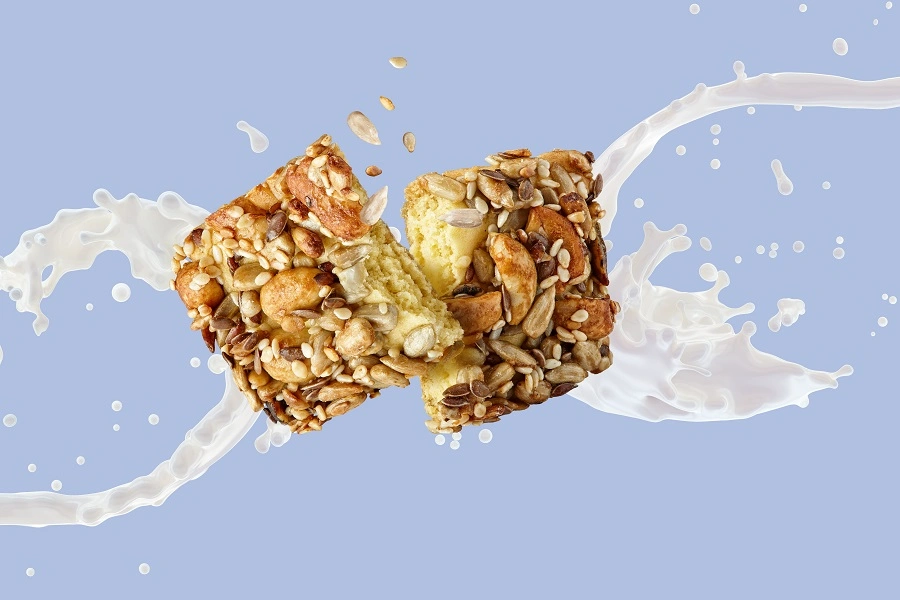 The success of dairy protein products relies on offering consumers indulgent textures and contemporary flavors along with higher protein levels.
GLP-1 companion products
The GLP-1 shift means people are eating less, and nutrient density, particularly through high-protein and high-fiber diets, has become more important, giving rise to trends such as “fibermaxxing.” Additionally, consumers on these weight management medications can experience digestive discomfort and nausea, which is a leading cause for discontinuing treatment.
“From an ingredient perspective, we are directly addressing this issue,” says Sheehan at Kerry. “We recently conducted a four-week, open-label consumer perception study testing our BC30 probiotic among GLP-1 users. The results found that 77% of participants perceived a moderate to significant improvement in their daily quality of life, and over 80% noticed an improvement in their GI symptoms. Crucially, 69% indicated they would continue using their GLP-1 medications due to BC30’s positive effect on their discomfort.”
“We are also addressing this holistic wellness shift with Plenibiotic, our rice-derived postbiotic that delivers dual benefits for digestive regularity and skin hydration with excellent tolerance across temperature and pH levels.”
FrieslandCampina is also targeting GLP-1 users who need support for muscle maintenance and digestive health in convenient, compact formats.
“Our Biotis Fermentis ingredient, which combines whey protein, prebiotic GOS, and postbiotic cultures in a single fermented system, is featured in some standout applications, including citrus punch and peaches-and-cream ‘FermentiPop’ functional sodas, and blueberry-lemon fermented whey protein bites. These concepts show how protein can evolve beyond a single-benefit proposition without sacrificing taste or enjoyment,” says van der Horst.
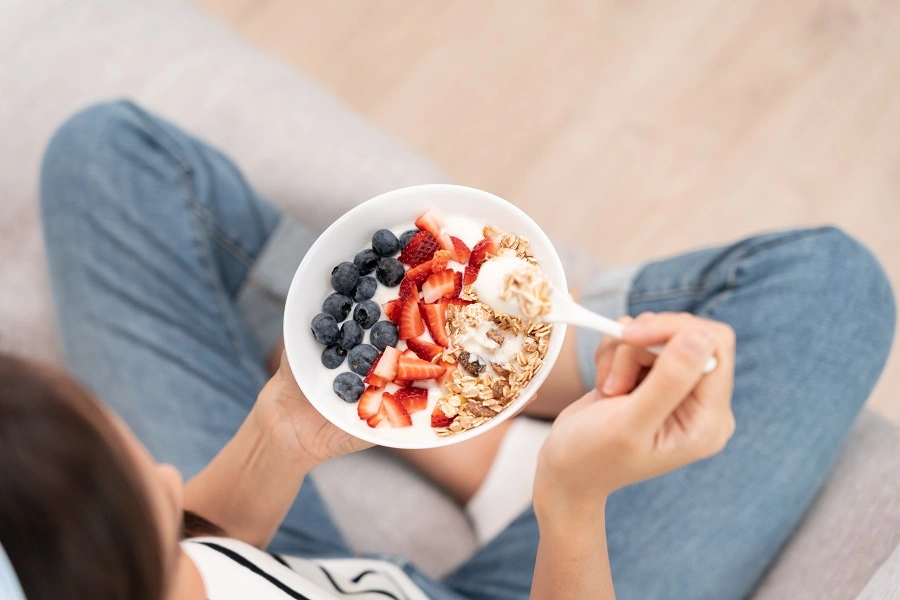 FrieslandCampina Ingredients and Kerry are looking into the impact of probiotics, whey protein, and prebiotics on GLP-1 users for better muscle maintenance and gut health.
Fermentation for functional nutrition
FrieslandCampina draws on more than 150 years of fermentation expertise in yogurt and cheesemaking, and that deep-rooted knowledge underpins its innovation in functional nutrition. With consumer interest in gut health accelerating, fermentation offers scientific credibility and cultural resonance — “it’s a space where heritage and modern wellness converge,” explains van der Horst.
The company developed Biotis Fermentis in response to that demand, reflecting a broader shift toward products that deliver more holistic benefits rather than a single functional claim.
“Fermentation has firmly entered the mainstream — walk into any supermarket and you’ll find kimchi, kefir, kombucha, and sauerkraut competing for shelf space. Consumers are actively seeking out fermented foods and increasingly expect those gut-friendly cues to appear in the everyday snacks and drinks they already enjoy,” says van der Horst.
“That creates an opportunity for manufacturers to harness the familiarity and positive associations of fermentation, while delivering multi-benefit products that combine digestive support with high-quality protein in formats that feel convenient and craveable.”
Dairy versus plant-based protein
For van der Horst, the conversation around dairy and plant-based protein has matured — “what once felt like a direct rivalry is now far more considered,” she says.
“Increasingly, we’re seeing the two sit alongside each other, serving different consumer needs rather than competing head-to-head for the same eating occasion. Both have compelling and distinct nutritional profiles, and with recent advances in plant-based proteins, consumers can enjoy improved taste and texture, too.”
“Savvy brands recognize that dairy and plant-based proteins aren't mutually exclusive — there’s an opportunity to explore hybrid formulations that offer the best of both worlds: blending the bioavailability and muscle support credentials of dairy with the sustainability appeal of plant-based.”



Upcoming webinars

2027 Food Safety Risks for Quality & Compliance Leaders
FoodChain ID

Formulating for function: Developing benefit-led beverages with natural colours, botanicals, and flavours
Givaudan Sense Colour
Let's reveal the grain potential: Innovate
Meurens Natural