Fonterra forecasts dairy protein surge as GLP-1s reshape F&B trends


Key takeaways
- GLP-1 adoption accelerates demand for high-protein, nutrient-dense foods, particularly in smaller, portion-conscious formats.
- Dairy proteins gain advantage over plant-based alternatives, driven by complete amino acid profiles, clean label appeal, and muscle maintenance benefits.
- Fonterra positions GLP-1 as a catalyst for broader protein innovation, spanning RTDs, yogurts, functional formats, and grass-fed, sustainably sourced dairy ingredients.

Fonterra flags how increased GLP-1 use is fueling the demand for protein in its top five food and nutrition trends set to shape the year ahead in F&B. The global dairy exporter predicts a surge in demand for protein powders, ready-to-drink (RTD) protein shakes, and protein-enhanced snacks, as the number of weight loss medication users rises globally.
The New Zealand-based dairy co-operative has identified GLP-1-spurred protein demands as the biggest opportunity for dairy F&B innovation in 2026.
GLP‑1 RAs are glucagon-like peptide-1 receptor agonists, a class of medications primarily used for weight management and the treatment of type 2 diabetes. They mimic the natural hormone GLP‑1, which helps regulate blood sugar and appetite.
For Fonterra, GLP-1 is not only creating a new demand for protein — it is intensifying and reshaping it.

The GLP-1 medication boom
People using weight loss medications are eating much smaller portions, concentrating on foods that provide satiety and nutrient density, especially protein and fiber.
Fonterra forecasts that protein-rich, nutrient-dense dairy will be positioned at the center of the next wave of food innovation — not as a niche response to medication use, but as a structural shift in how consumers approach satiety, functionality, and long-term wellness.
Much like in the protein category, interest in fiber-enhanced F&B that supports gut health has exploded as the use of GLP-1 medications proliferates.
Dairy-based protein, particularly in high-protein yogurts and shakes, helps maintain muscle mass despite reduced appetite. This is particularly important as using appetite suppressants can lead to reduced muscle mass. Research suggests that a significant proportion of weight lost on GLP-1 medications can come from lean mass, underscoring the importance of adequate protein intake.
GLP-1 users also consume almost three times more high-protein dairy than others, says Fonterra.
Shakes, yogurt & bars
The company is partnering with customers to develop portion-friendly, high‑protein, clean label products, including advanced Whey Protein Concentrate/Whey Protein Isolate\ ingredients for shakes, yogurts, bars, and functional formats designed specifically for fullness, texture, and nutrient density — all critical for GLP‑1 consumers.
Fonterra also innovates in existing daily use categories, like fortified coffee creamers, to further support protein intake.
Jacqueline Van Schaik, lead nutritionist at Fonterra, says GLP-1 users are showing a preference for dairy-based proteins over plant-based alternatives, as dairy proteins offer complete amino acid profiles to support muscle maintenance and enhance functionality in high‑protein foods.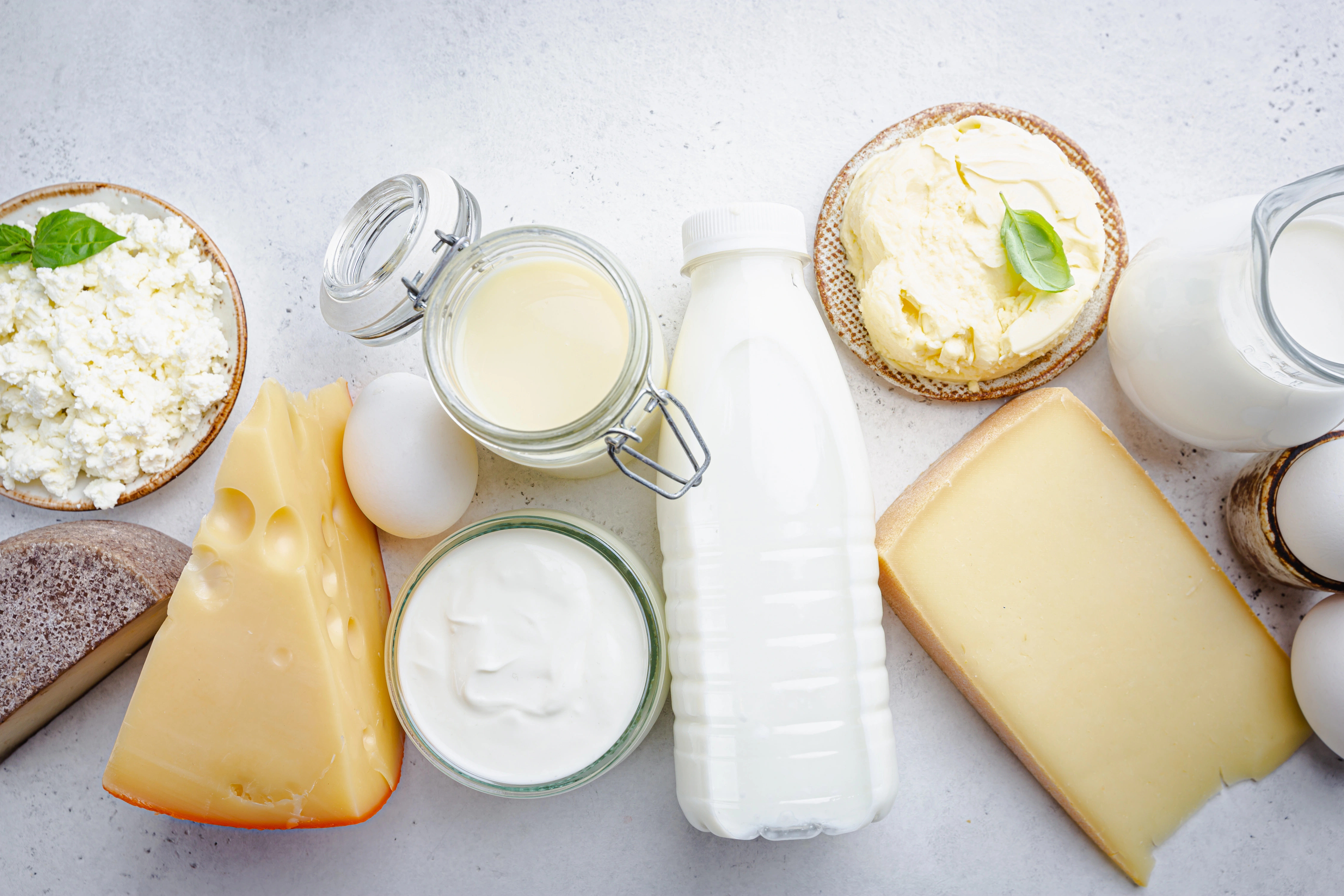 Fonterra predicts protein-rich, nutrient-dense dairy will drive the next wave of food innovation.
Staying fuller for longer
Internal Fonterra category insights also show non‑dairy alternative NPD is declining, while high‑protein dairy categories continue to accelerate. GLP‑1 users are also seeking clean label, nutrient-dense, and minimally processed options — areas where dairy proteins and grass‑fed origin offer a built‑in advantage.
“The main goal for medication-based approaches to obesity is a long-term satiety response that leads to a preference for smaller portions. GLP‑1 RA users tend to seek foods that provide maximum nutritional return in smaller quantities, leading them toward higher‑protein yogurts with 20 g+ per serving, and RTD protein now trending toward 30–40 g of protein, and products with added functional benefits such as energy, gut health, and digestive comfort,” Van Schaik tells Food Ingredients First.
“These behaviors are visible across the broader protein market as well — not just GLP‑1 users — reinforcing a shift toward protein‑dense, portion-conscious foods.”
“Additionally, when people stop taking GLP-1 medication, weight regain can be skewed toward fat accumulation. This makes protein, in combination with resistance exercise, an important nutrient, during both the weight-loss phase and for long-term maintenance.”
High-protein, portion-friendly products
Van Schaik explains how the trend for high-protein nutrition began in the sports nutrition space, with athletes using protein powder and protein bars, and then moved mainstream with RTD protein shakes and fortified yogurts. GLP-1 RA users are now further growing and diversifying this category.
“The US protein market is strong across nearly every major category, with Bars up 6.8%, Sports powders up 7.2%, and RTDs up 7.4%. Consumers now spend US$136 per year on protein, and demand is outpacing global supply. This is driven by wellness, weight management, aging, and functional benefits. Brands are rapidly increasing protein content, with many launching 40 g+ RTDs as the new premium tier,” Van Schaik adds.
GLP-1 use drives dietary shifts
GLP‑1 RAs are accelerating shifts that were already underway, notes Van Schaik. Even if individual usage fluctuates over time, the behavioral patterns — higher protein, smaller portions, nutrient density, clean label — are durable and align with broader wellness and weight management trends.
“These trends are also reinforced by updated US nutrition guidelines emphasizing protein and dairy. In other words, GLP‑1 didn’t invent the movement — but it is undeniably speeding it up,” she says.
Earlier this year, the US government updated its Dietary Guidelines for Americans (DGA), raising protein intake recommendations and rethinking advice around healthy fats and grains, while explicitly urging limits on “highly-processed” foods. This was noteworthy because it was the first time the US government had publicly called for reduced consumption of highly processed foods.
“Natural” and “real food” credentials are becoming more important. Trends point toward a strong preference for “natural,” minimally processed dairy proteins and declines in non-dairy alternative NPD amid consumer concerns about over‑processing in plant-based alternatives, says Van Schaik.
“There is also the growing appeal of grass‑fed dairy as a premium, clean label option. More than 40% of US consumers say ‘all natural’ claims are important, and 66% express concern about processed foods — tilting the playing field toward dairy.”
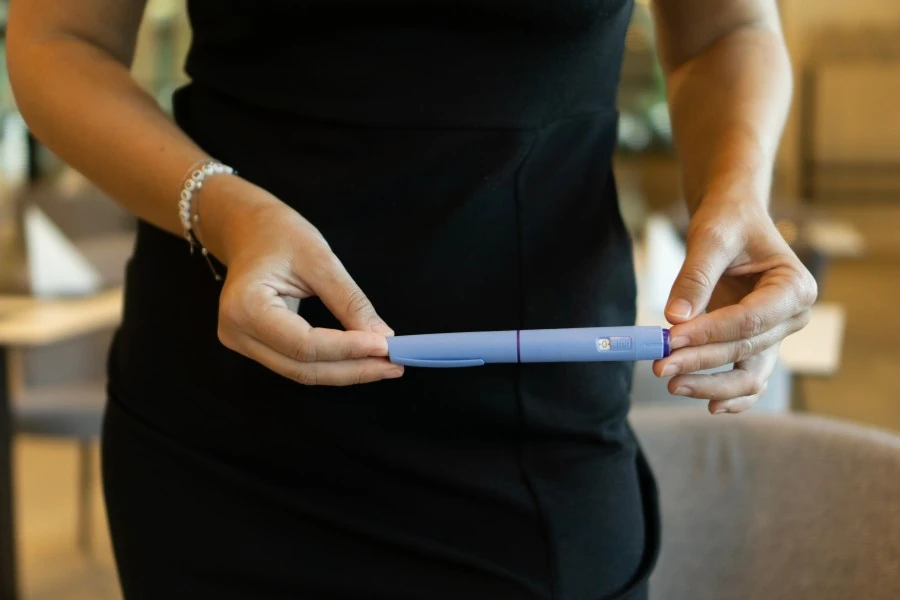 Fonterra positions GLP-1 as a catalyst for broader protein innovation.
Full-fat dairy making a comeback
Fonterra’s #2 trend is “Full-Fat is back,” which tracks how full-fat dairy, once shunned by health-conscious consumers, including butter, milk, ghee, and cheese, highlights how full-fat dairy is poised for a comeback in 2026.
The updated DGA also aligns with this. Recommendations now say Americans should include full-fat dairy products with no added sugars as part of a balanced diet, as they provide protein, healthy fats, and essential vitamins and minerals that support overall health. As a result, consumers are now viewing dairy as more of a “functional ingredient.”
“Full‑fat dairy’s comeback aligns with a growing belief that nutrient density and satiety matter more than calorie counting alone. GLP‑1 users and non‑users alike are choosing products that are naturally satiating, deliver flavor satisfaction in smaller portions, and have clean label, real‑food credentials,” says Van Schaik.
“Dairy is increasingly viewed as a functional ingredient that supports wellness goals through protein quality, satiety benefits, and natural nutrient density. This trend is particularly strong in high‑protein yogurt, which continues to grow and serves as an anchor category for functional dairy.”
Fonterra’s #3 trend, “Processed Foods Are Out,” identifies how consumers are moving away from heavily processed products, such as sweetened plant-based milks, toward whole, recognizable foods with higher protein content.
“Dairy milk is a good source of complete, high-quality protein (about 8 g per cup), providing all essential amino acids, and is packed with a range of nutrients, including potassium, vitamin B12, riboflavin, phosphorus, magnesium, zinc, selenium, and choline,” explains Van Schaik.
Trend #4 “Foods with a Superior Nutritional Profile” relates to consumers seeking high nutrition from F&B products. Fonterra forecasts that consumers will start to prioritize grass-fed dairy due to its robust nutrient profile: higher omega-3 levels and a better omega-3:6 ratio, higher vitamin levels (A, D, and E), and a richer flavor.
The last trend is “Sustainability Takes Center Stage,” highlighting how consumers continue to prioritize sustainability and transparency. They demand more information about traceability, animal welfare, and environmental impact.


Upcoming webinars
Oat-Standing Ingredients - Showcasing Irish Grain Through Innovation
Tirlán Ingredients

2027 Food Safety Risks for Quality & Compliance Leaders
FoodChain ID

Formulating for function: Developing benefit-led beverages with natural colours, botanicals, and flavours
Givaudan Sense Colour