



Expo West 2026 live: Inside Cargill’s functional F&B focus on indulgence without compromise

Key takeaways
- Cargill at Expo West 2026 highlights innovations in functional food and beverages, focusing on high-protein, fiber-rich, and reduced-sugar products without sacrificing taste.
- Featured concepts like Mango Guava Protein + Prebiotic Soda and Ultra-Filtered Double Chocolate Protein Shake showcase Cargill’s ability to meet consumer demand for healthier options with great flavor.
- The company’s approach aims to bridge the gap between health and indulgence, helping brands create affordable, nutritious products aligned with current consumer trends.
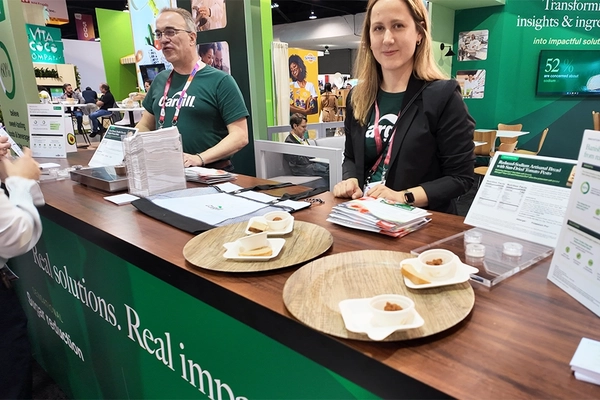
This year at Natural Products Expo West (Mar 3–6) in California, US, Cargill is tackling the growing consumer demand for functional F&B products that support health goals without sacrificing the indulgent flavors people crave. The company’s showcase underscores how it is bridging the gap between higher protein, fiber-rich, and reduced-sugar formulations while maintaining great taste — all at a value-conscious price point.
Featured products like the Mango Guava Protein + Prebiotic Soda highlight Cargill’s ability to help manufacturers create functional beverages with less than 1 g of sugar per serving, while offering 5 g of protein and fiber. Similarly, its Ultra-Filtered Double Chocolate Protein Shake delivers 32 g of protein per serving and rich flavor, all without added sugars.

Food Ingredients First caught up with Pam Stauffer, senior integrated marketing manager, on the show floor, who explained how these offerings reflect the company’s focus on helping brands deliver nutritional value and taste, aligned with current consumer trends.
Cargill is exhibiting at Expo West 2026 in Anaheim alongside more than 3,000 exhibitors, with the trade show expecting over 60,000 visitors.
What unmet consumer needs are driving the concepts you’re showcasing this year?
Stauffer: Today’s consumers want to eat and drink in ways that support their nutritional goals, but they are not willing to sacrifice taste, enjoyment, or affordability. Some are trying to reduce sugar and sodium, increase protein and fiber, avoid artificial ingredients, and make smarter choices, all while managing tight household budgets. That tension between nutritional goals, indulgence, and value creates real opportunity and is reflected in the concepts we’re showing at Expo West.
Consumer interest in lower-sugar options continues to grow, creating demand for products that deliver great taste with fewer calories and grams of added sugar, without compromising label expectations. That balance is reflected in several of our prototypes. For example, our Mango Guava Protein + Prebiotic Soda taps into the modern soda trend while delivering less than 1 g of sugar per serving. It contains 5 g of soluble corn fiber and 5 g of protein, and it’s sweetened with a label-friendly blend of allulose and ViaTech stevia leaf extract. No artificial sweeteners are required.
Our Ultra-Filtered Double Chocolate Protein Shake demonstrates a no-sugar-added approach, delivering 32 g of protein per serving and rich chocolate flavor. Its sweetness comes from EverSweet stevia sweetener and Zerose erythritol, paired with our Gerkens cocoa powder for depth and indulgence.
Across categories, our focus is helping brands design sweetness systems that protect taste, align with label preferences, and give consumers real choice — whether that’s full-sugar, low-sugar, or no-sugar-added formulations.
What are you seeing as the biggest formulation challenge in plant-based or high-protein products right now?
Stauffer: The biggest challenge continues to be delivering higher protein levels without compromising taste and texture. If the product doesn’t taste great, the protein content ultimately doesn’t matter. Protein solubility is one critical factor. In beverages and dairy applications, it can directly impact texture, stability, and how much protein can be included in a formula. Consumers expect these products to be smooth and creamy — not gritty or chalky. Yet some plant proteins are difficult to disperse and keep in solution, leading to grittiness that detracts from the eating or drinking experience.
Taste is equally important. No matter how compelling the nutrition story is, repeat purchase depends on flavor. Many plant proteins carry inherent off-notes, so selecting ingredients with a clean flavor profile is essential to overall product success. Advancements in processing technology have significantly improved what’s possible. Our Protein Power Parfait demonstrates this well, delivering 18 g of protein and 8 g of fiber per serving, with just 6 g of sugar and no artificial sweeteners — all while maintaining a smooth texture. It leverages Puris pea protein crisps and Puris pea protein powder, part of a thoughtfully designed protein blend that hits the protein target without compromising texture or flavor.
We’re also seeing protein expand beyond beverages, dairy, and bars into less established spaces like salty snacks. Our Protein Tortilla Chips with Reduced-Sodium Salsa combine nutrition and flavor — the salsa uses Alberger and Potassium Pro salts to enable a 40% sodium reduction, while maintaining salty impact. The chips rely on Puris pea protein to deliver 10 g total protein per serving (9 g complete protein), qualifying for a “good source of protein” claim.
Where do you see the biggest commercial opportunities emerging in functional F&B over the next 12–24 months?
Stauffer: We see strong opportunities in nutrient-dense products that still deliver a touch of indulgence. As appetite patterns shift — whether due to GLP-1 use or broader wellness goals — brands may need to rethink formulation and positioning, focusing on high-quality protein, fiber, and functional benefits.
Protein is central to that shift. Many GLP-1 users are prioritizing higher protein intake to help support muscle maintenance and fullness. Fiber is another major opportunity. As consumers look to “fiber-max” their diets for gut health and overall wellness, brands can pair sugar reduction with added fiber to create products that deliver additional nutritional benefits. Dairy and beverage applications are particularly strong platforms for this kind of dual benefit.
At the same time, value remains essential. With increased focus on the economy, consumers are redefining value. It’s no longer just about price per ounce — it’s about benefit per bite. They’re willing to pay for products that deliver nutrition, taste, and quality, but those products must clearly earn their place in the grocery cart.
With additional reporting by Jolanda van Hal at Expo West 2026 in California, US