


Food scientists enrich potato ketchup with chlorella microalgae


Key takeaways
- Food scientists have developed a potato ketchup enriched with microalgae protein to boost its nutritional value sustainably.
- Ketchup samples with up to 3% algal protein tripled protein content and boosted essential minerals while maintaining the traditional sweet, tangy flavor, and red color.
- Higher additions of microalgae protein caused an off-putting green color and strong algal taste that reduced consumer appeal.

Food scientists have developed an enriched potato ketchup containing protein extracted from Chlorella vulgaris microalgae — which can contain up to two to three times more protein. The team designed ketchup recipes containing 1–13% algae protein along with typical ingredients such as plum tomatoes, sugar, salt, vinegar, spices, and citric acid.
A panel of 15 participants sampled the bottled and pasteurized ketchup samples, which included a plain variety with no added algae. Participants generally preferred the recipes containing up to 3% added algal extract, noting that the samples maintained the sweet, tangy taste, and reddish appearance associated with the condiment.
“Ketchup is familiar, shelf-stable, and suitable for incorporating functional ingredients,” says Parise Adadi, corresponding author of the study. “Chlorella vulgaris can be cultivated rapidly throughout the year using comparatively little land and freshwater, making it a potentially more resource-efficient protein source than many terrestrial crops.”
“We wanted to improve the nutritional value of a widely consumed condiment using a sustainable protein source. Ketchup is familiar, shelf-stable, and suitable for incorporating functional ingredients.”
Spotlight on microalgae
Protein-added foods typically get their enrichment from whey, pea, or soy sources. However, the researchers set out to explore microalgae as a potentially more sustainable alternative. Microalgae recently attracted significant attention among investor circles, such as in Israeli food-tech company Brevel previous raise of more than US$5 million in a seed extension for its microalgae proteins.
Over this past year, microalgae’s versatility as a functional ingredient has been underpinned by its applications in natural blue food coloring and as a sustainable palm oil alternative.
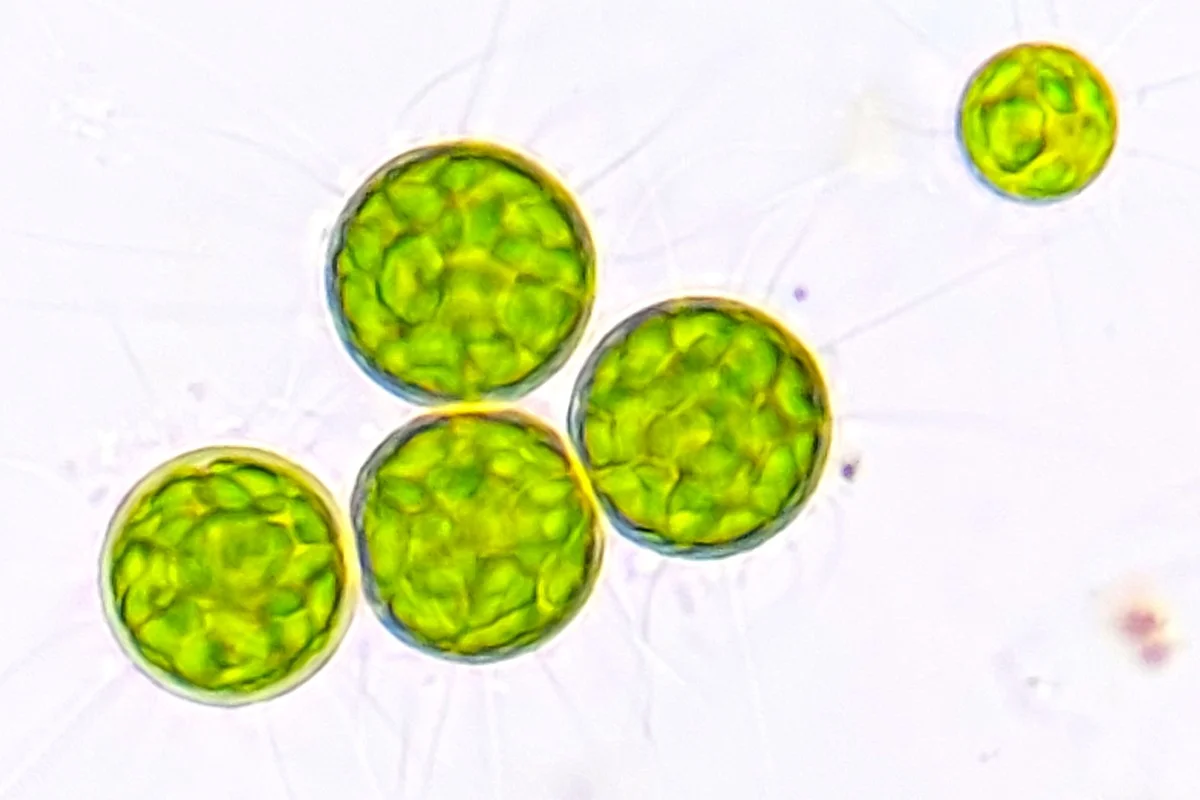 Ketchups developed in the study to contain either 1% or 3% retained the familiar sweet, tangy, and mildly spiced flavor of authentic ketchup.In vegan seafood mimics piloted by another research team, microalgae’s fishy flavor complimented the plant-based squid-ring made from mung bean and microalgae, which was 3D-printed and deep-fried.
For the ketchup developed in this new study, the challenge was adding algal protein in a way that wouldn’t change the condiment’s distinct flavor. Findings from the paper were published in the journal ACS Food Science & Technology.
Samples that contained 1% or 3% added protein retained the familiar sweet, tangy, and mildly spiced flavor, and had only a subtle algal note. At 5% and 13% added protein, the study authors note that algal taste and greenish color became more noticeable, which drew back the samples’ acceptability despite their higher protein content.
Compared to the plain ketchup, the samples with 3% and 5% algal extracts contained two to three times more protein. They also yielded higher amounts of essential amino acids, antioxidants, and minerals — particularly sodium and iron.
The researchers say their findings indicate that a moderate addition of algal protein could appeal to consumers and enhance nutritional value. Their future research initiatives will include larger consumer studies, shelf life tests, and product development at commercial scales.
Among research highlights, a six-month study involving 66 healthy adults aged 55–75 revealed that BrainPhyt, a natural microalgae extract developed by Microphyt, “significantly enhances” memory, attention, and overall cognitive performance while reducing stress in healthy aging adults.



Upcoming webinars

Oat-Standing Ingredients - Showcasing Irish Grain Through Innovation
Tirlán Ingredients

2027 Food Safety Risks for Quality & Compliance Leaders
FoodChain ID

Formulating for function: Developing benefit-led beverages with natural colours, botanicals, and flavours
Givaudan Sense Colour