

Fi Europe 2026: California Natural Color expands plant-based palette with Pure Red Beet

Key takeaways
- California Natural Color will debut Pure Red Beet at Fi Europe 2026, targeting vibrant natural shades across applications.
- Its crystal color technology offers high concentration and up to five years of shelf life, helping manufacturers reduce dosage and storage requirements.
- Clean label demand is pushing formulators to replace synthetic dyes while preserving color intensity, stability, and consumer appeal.
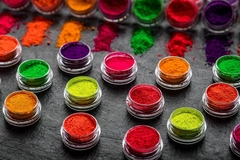
 (Image credit: California Natural Color).
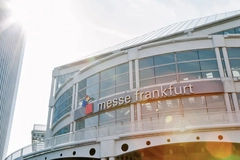
California Natural Color (CNC) will unveil its Pure Red Beet natural color ingredient at Fi Europe 2026 in Frankfurt, Germany, this week. The company aims to support the growing global demand for high-performance natural colors with this solution, developed using its crystal color technology.
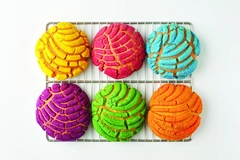
F&B manufacturers can use the plant-based color to achieve vibrant shades in dairy, confectionery, plant-based products, and formulations with low to high acidity.
Dana Osborn, brand marketing manager at the California-based company, says many European F&B manufacturers have extensive experience with natural colors. CNC will use the show to discuss evolving formulation needs and how Pure Red Beet expands its portfolio.
“Our technical team will also be available to assist with color matching and application guidance tailored to each customer’s product development needs.”
Enhancing natural color performance
CNC, which announced an expansion of its US production facility earlier this year, says its patented crystal color technology delivers colors five to ten times more concentrated than liquid food pigments.
The crystal format also offers a shelf life of up to five years. Its high concentration enables lower dosages, leading to reduced freight and storage requirements.
Color dosage requires particular care in confectionery, where products are often “flavor-forward,” Osborn previously told Food Ingredients First. Manufacturers must achieve the desired visual impact without distorting flavor perception.
Transitioning away from synthetic dyes
Growing consumer curiosity about nutrient labels and regulatory pressure is steering color innovators toward exploring natural alternatives. Some 54% of US consumers say they read labels before purchasing food, while 37% routinely scan ingredient lists to avoid unnatural ingredients, according to Innova Market Insights.
But ensuring visual appeal with clean labels remains important. Around 23% of consumers look for visually engaging sensory experiences, such as vibrant colors, Innova’s research suggests.
These priorities will feature across Fi Europe 2026, where Food Ingredients First will report on the latest color innovations. GNT will showcase ube-inspired products and colorful bubble teas, highlighting how social media and visual appeal can drive consumer engagement. Givaudan will present colorful functional beverages and yerba mate-inspired concepts.