


US FDA revokes authorizations for solvent uses in natural food color manufacturing

Key takeaways
- The FDA is revoking authorizations for three chemicals used in specific food color applications, including the production of annatto, paprika, and turmeric extracts.
- The decision follows an industry petition confirming that the relevant solvent uses in natural color manufacturing have already been discontinued, meaning no immediate reformulation is expected.
- The changes take effect on January 11, 2027, adding to wider regulatory developments reshaping the US food color market and supply chain.
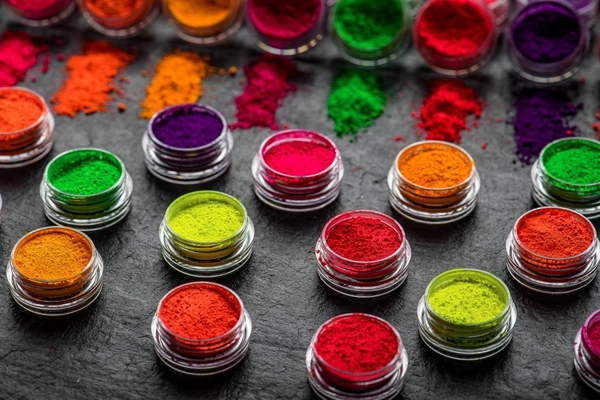
The US FDA is withdrawing authorizations for three chemicals associated with food color applications, in a move that highlights the growing regulatory scrutiny of not only the colors used in food, but also the substances involved in their manufacture.
Announced yesterday (November 9), the two separate actions will revoke permission for methylene chloride to be used as a diluent in inks for marking fruit and vegetables. The agency is also removing authorizations for methylene chloride, ethylene dichloride, and trichloroethylene in the manufacture of annatto extract, paprika oleoresin, and turmeric oleoresin.
All the revocations will take effect on January 11, 2027.
For color manufacturers and food formulators, however, the implications are not necessarily a change to existing ingredient portfolios. The FDA’s action concerning the three natural color ingredients follows a petition from the International Association of Color Manufacturers (IACM), which demonstrated that the relevant uses of these chemicals had already been abandoned by industry.
In other words, the decision formalizes a change in manufacturing practice rather than requiring manufacturers to find new production routes or reformulate products currently on the market.
The separate action concerning methylene chloride in fruit and vegetable marking inks follows a petition from the Environmental Defense Fund, Breast Cancer Prevention Partners, the Center for Environmental Health, the Environmental Working Group, and Lisa Lefferts.
The petition invoked the Delaney Clause of the Federal Food, Drug and Cosmetic Act, which requires the FDA to deem an ingested color additive unsafe if it has been found to induce cancer in humans or animals. The FDA cited evidence that methylene chloride causes cancer in laboratory animals as the basis for the revocation.
Looking beyond the finished ingredient
The decision is a reminder that regulatory considerations for food colors extend beyond the identity and safety of the pigment or coloring ingredient itself.
Extraction solvents, processing aids, diluents, and potential residues all form part of the wider manufacturing and compliance picture. Even where a substance is not intended to remain in the finished food, its authorized use in the production process can carry regulatory implications.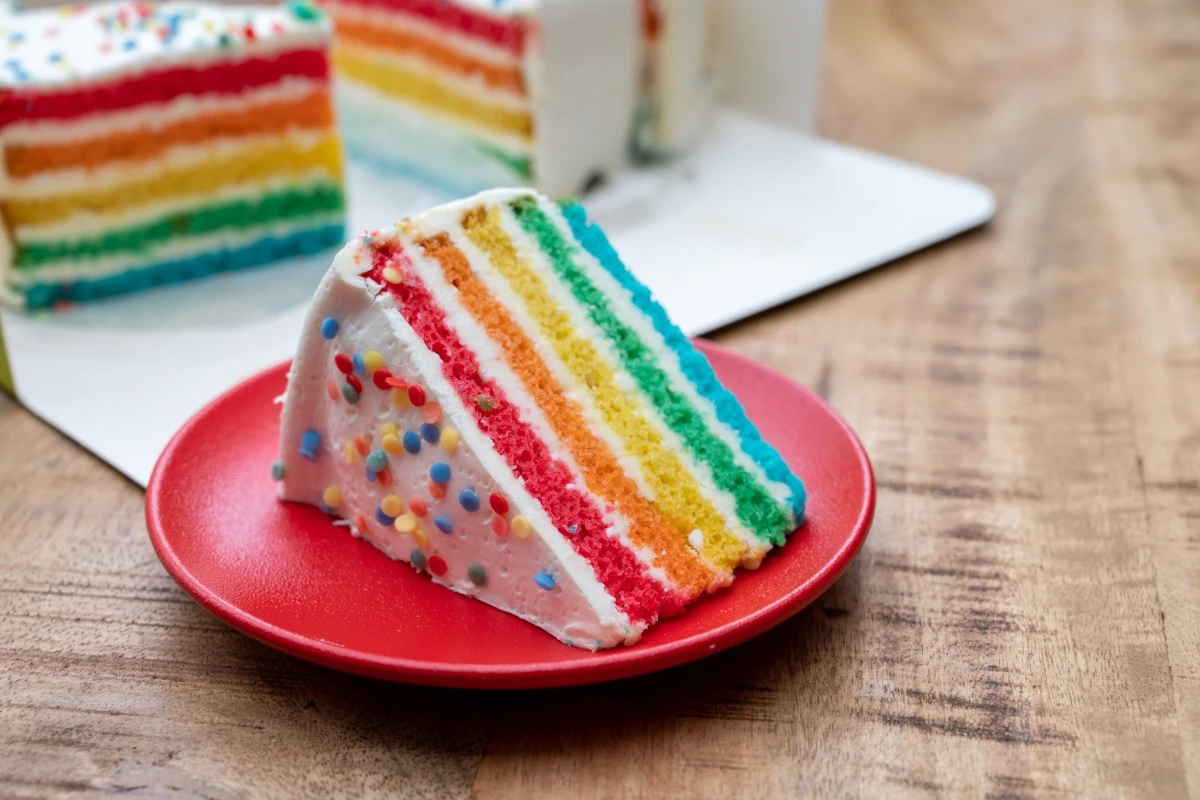 As regulations tighten, food manufacturers face growing scrutiny over the colors, ingredients, and processes behind the products they make.
For natural color suppliers, this is particularly relevant as demand grows for plant-derived alternatives to synthetic colors.
Annatto, paprika oleoresin, and turmeric oleoresin are established sources of yellow, orange, and red shades across food applications. Their positioning as naturally derived ingredients does not remove the need for scrutiny of extraction methods, manufacturing inputs, and the management of residual substances.
The FDA’s action also illustrates the role industry associations can play in keeping regulations aligned with commercial reality. By identifying uses that are no longer practiced, IACM has helped remove outdated permissions from the regulatory framework.
Part of a wider shift in color regulation
The latest decision comes amid a broader period of change for the US food color market. Since 2025, the FDA has been pursuing a transition away from petroleum-based certified synthetic colors, including voluntary industry commitments to phase out several widely used FD&C dyes.
The agency has also taken action on individual color additives, including Red No. 3 and Orange B, while proposing the removal of Citrus Red No. 2.
At the same time, it has authorized additional color options, including Galdieria extract blue, butterfly pea flower extract, and beetroot red, reflecting the need to expand the range of alternatives available to manufacturers.
Navigating a changing regulatory landscape
For businesses operating in the color sector, these developments create a more complex environment in which ingredient selection, regulatory status, manufacturing processes, and customer expectations increasingly intersect.
The latest revocations are unlikely to trigger significant immediate reformulation activity, given that the affected production uses have already been discontinued. Their wider significance lies in the FDA’s continued review of the regulatory framework surrounding food colors.
As manufacturers work to diversify color portfolios and respond to changing regulatory and market expectations, scrutiny of the entire ingredient supply chain, not simply the color delivered to the finished product, is likely to remain an important consideration.