

Fi Europe 2026 preview: Clean label reformulation meets the sensory challenge

Key takeaways
- Suppliers are advancing clean label reformulation without compromising taste and texture.
- Sugar, sodium, and additive reduction remain priorities for food manufacturers.
- SenseMaxxing innovations combine flavor, color, and texture to elevate consumer experiences.

Reducing sugar, sodium, and additives is no longer enough to make a successful better-for-you product. Food manufacturers also have to protect shelf life, retain familiar textures, manage costs, and offer something consumers genuinely want to eat.
That tension will be on display at Fi Europe 2026 in Frankfurt, Germany (Nov 17–19), where ingredient suppliers are bringing everything from naturally preserved meat snacks and reduced-sodium salt to umami-building yeast extracts and vivid plant-based colors.
Speaking to Food Ingredients First ahead of the show, six companies describe a shift from isolated ingredient swaps toward reformulation that considers the entire eating experience.
The challenge is particularly timely as our recent examination of ultra-processed food classification highlighted how improving nutrition, shortening labels, and changing processing classifications are not necessarily the same thing.
Clean label must work at scale
Stephen Cope, food development manager at Foodology by Univar Solutions, says: “We’re seeing several priorities come together, but reformulation continues to be one of the biggest.”
He points to pressure to improve nutritional profiles while maintaining taste, texture, value, and supply security. At Fi Europe, the distributor will present concepts developed at its Global Solution Centre in Essen, Germany. These include a high-protein, high-fiber hybrid meatball in protein-rich sauce and a quinoa crisp paired with clean label vegan cream cheese.
Other prototypes, including cinnamon swirls and vanilla cream texture bars, use clean label starches, co-texturizers, sweeteners, and enzymes to address sugar, fat, and calorie reduction. The range illustrates how a single development brief can bring nutritional, sensory, and processing challenges together.
For Prosur, however, clean label formulation also means reconsidering ingredients used for preservation.
Pascal Mill, head of branding and communications at Prosur, says: “The common thread? It’s no longer enough to add proteins, prebiotics, or fibers to a product that still relies on synthetic preservatives, refined sugars, or artificial sweeteners. Instead, it’s about rethinking the whole formulation: adding what brings value and kicking out the chemicals – the natural way.”
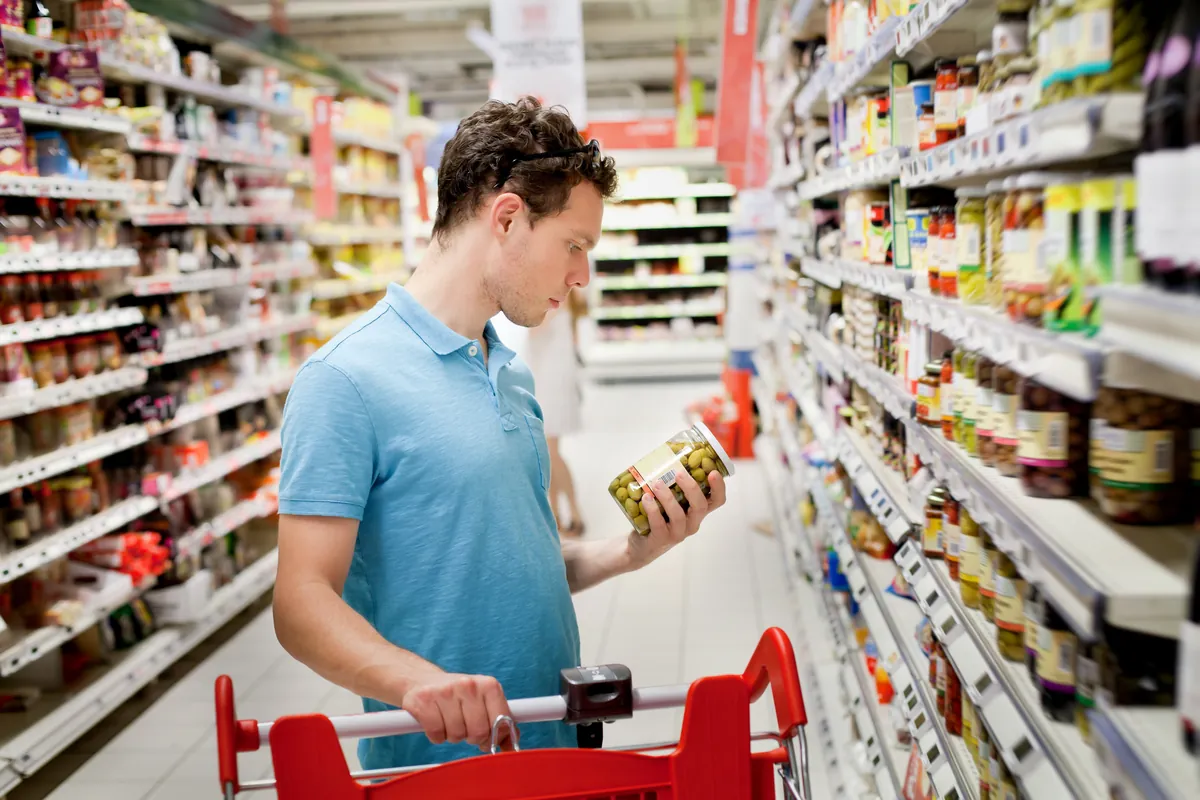 Food manufacturers are advancing clean label reformulation while preserving taste, texture, and product quality.The company is debuting GIN* Drinks & Food, a showcase-only range built around its “Get It Natural” toolbox. The concepts span meat snacks, ready meals, sauces, beverages, and bakery products, demonstrating approaches to avoiding selected conventional preservatives and reducing refined sugar.
“Think beverages without benzoates, meat products without nitrites or phosphates, and bakery and confectionery with nutritional fibers and smarter natural sweeteners,” says Mill.
Prosur also highlights carob-based sweetener systems that provide dietary fiber and naturally occurring polyphenols. Any alternative preservation approach, however, still has to be validated for the intended food, processing conditions, and shelf life.
Better-for-you snacks without trade-offs
Andrew Hart, director of strategic marketing and business development at Balchem, anticipates strong demand for better-for-you snacks, but warns that manufacturers cannot assume consumers will forgive poor eating quality in exchange for a stronger nutrition profile.
“So better-for-you products still need to taste great, offer moments of pleasure, and fit naturally into everyday routines,” he says.
Balchem’s MeatShure microencapsulation technology is designed to eliminate the fermentation stage and the need for added sugar in the production of meat sticks, which the company sees as a growing European protein-snacking opportunity.
Its BakeShure portfolio of encapsulated acidulants, leavening systems, and preservatives is intended to maintain freshness, texture, and flavor in bakery applications while supporting reformulation goals, including sodium reduction.
Hart adds: “For us, innovation is about more than identifying the next consumer trend. It’s about making those trends achievable at commercial scale.”
That manufacturing emphasis reflects the systems-based approach to bakery reformulation we recently discussed with Ingredion and Kerry, where ingredient changes can affect moisture, structure, and shelf life simultaneously.
Sodium reduction that consumers can taste
Salt reduction provides an especially direct test of whether cleaner labels and nutrition improvements can coexist with flavor and functionality.
Anders Hansson, CEO of Saltwell Group, says: “Manufacturers need ingredients that deliver proven functionality while supporting simple, natural, and consumer-friendly ingredient declarations.”
At Fi Europe 2026, the company will invite visitors to compare its naturally lower-sodium salt with standard salt in solution and try finished applications.
Saltwell says its ingredient contains roughly 35% less sodium than conventional salt, while some applications can achieve reductions of up to 40% without sacrificing sensory quality or shelf life. The distinction between the salt’s composition and the reduction achieved in a final recipe is important. Sensory innovation is gaining momentum as consumers seek richer flavors, vibrant colors, and memorable eating experiences.
The company is also highlighting a new production facility in Chile, designed to increase capacity and strengthen supply reliability. Its scale-up message comes as new US regulations, set to take effect in December, will expand salt-substitution options in standardized foods.
The rise of SenseMaxxing
While some suppliers concentrate on removing or replacing ingredients, others are looking for ways to make the resulting foods more distinctive.
Sabrina Moers, marketing communication specialist at GNT Group, says: “There’s huge demand now for products that deliver strong multisensory experiences.”
GNT will showcase purple ube-inspired products, boba beverages, and colorful foodservice concepts made with its Exberry plant-based colors. The company argues that visual cues help establish expectations before the first bite or sip.
“Color is a huge part of this because it helps set up product expectations by showcasing the flavor and providing cues about texture and mouthfeel,” Moers explains.
Lallemand Bio-Ingredients is exploring the same appetite for more memorable experiences through flavor architecture. Under its SenseMaxxers platform, the company will introduce High-Lyfe 580 A and 583 A yeast extracts, designed to build clean umami or deeper savory and meaty notes.
Live tastings at stand 30H32 will explore how taste depth, mouthfeel, and flavor continuity contribute to satisfaction.
Silvia Soragni, category manager at Lallemand Bio-Ingredients, says: “For us, SenseMaxxing means moving beyond flavor intensity: memorable taste comes from depth, balance, mouthfulness, and flavor continuity.”
The company will also display a hybrid vanilla-tonka panna cotta containing Engevita HiPro Beyond yeast protein. According to Lallemand, the concept approximately doubles the protein content of a conventional version to over 14 g per 200 g serving while retaining a creamy texture.
The concept features Engevita HiPRO Beyond, which has been shortlisted for the show’s Alternative Protein Innovation Award.
“Our central message is that innovation should not force consumers to choose between nutrition and enjoyment,” says Soragni.
Taken together, the showcases suggest that successful reformulation will be measured by what a product preserves as much as what it removes: taste, texture, safety, manufacturing reliability, and the pleasure of eating.