




EU Wegovy pill approval could deepen GLP-1 impact on food and beverage demand


Key takeaways
- EU approval of the Wegovy pill could broaden GLP-1 adoption, offering an oral alternative to injectable weight-management treatment.
- GLP-1 use is influencing food choices as well as consumption, with growing interest in protein, fiber, nutrient-dense products, and smaller portions.
- The arrival of an oral GLP-1 option could broaden adoption, potentially reshaping what consumers buy at the grocery store and how they allocate their food spend.
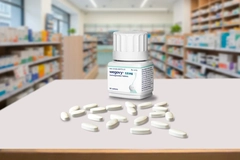
The approval of an oral version of Wegovy in the EU could broaden the impact of GLP-1 medicines on the food and beverage industry, as easier access to weight-management treatment potentially brings more consumers into a market already showing changes in appetite, purchasing behavior, and nutritional priorities.
Novo Nordisk’s Wegovy tablet, containing once-daily oral semaglutide 25 mg, received EU marketing authorization from the European Commission on July 15, 2026, following a positive opinion from the European Medicines Agency’s Committee for Medicinal Products for Human Use.
The tablet is expected to become available in Germany in the third quarter of 2026, with launches in other EU markets expected to follow in due course.
For food and beverage manufacturers, however, the significance of the oral format’s approval extends beyond the pharmaceutical market. GLP-1 medicines (in injection form) are already influencing how some consumers eat and shop, with emerging evidence pointing to lower overall food consumption alongside changes in product preferences, and nutritional priorities.
The arrival of an oral treatment could potentially amplify those effects by encouraging more people to consider or remain on GLP-1 therapy medications.
Removing injections as a potential barrier
The Wegovy tablet is approved for adults with obesity, defined as a BMI of at least 30 kg/m², or overweight, defined as a BMI of at least 27 kg/m², when accompanied by at least one weight-related comorbidity. It is intended to be used alongside a reduced-calorie diet and increased physical activity.
The EU approval follows regulatory clearances for the oral formulation in the US, UK, UAE, and Bahrain.
Novo Nordisk says the oral formulation could address one of the barriers associated with injectable treatment.
“We are very pleased that the Wegovy pill has now also been approved in the EU,” says Dr. Sebastian Meyhöfer, vice president Medical & Regulatory at Novo Nordisk Germany. “Regular injections can be a barrier for some patients, whereas a daily tablet may lower the threshold for starting treatment.”
He adds that the tablet could increase patients’ willingness to begin treatment and, importantly, continue it consistently.
Whether oral treatment ultimately results in significantly broader GLP-1 adoption remains to be seen. But if the tablet expands the population using these medicines, food and beverage companies may need to account for a wider range of changes in consumer purchasing and product preferences.
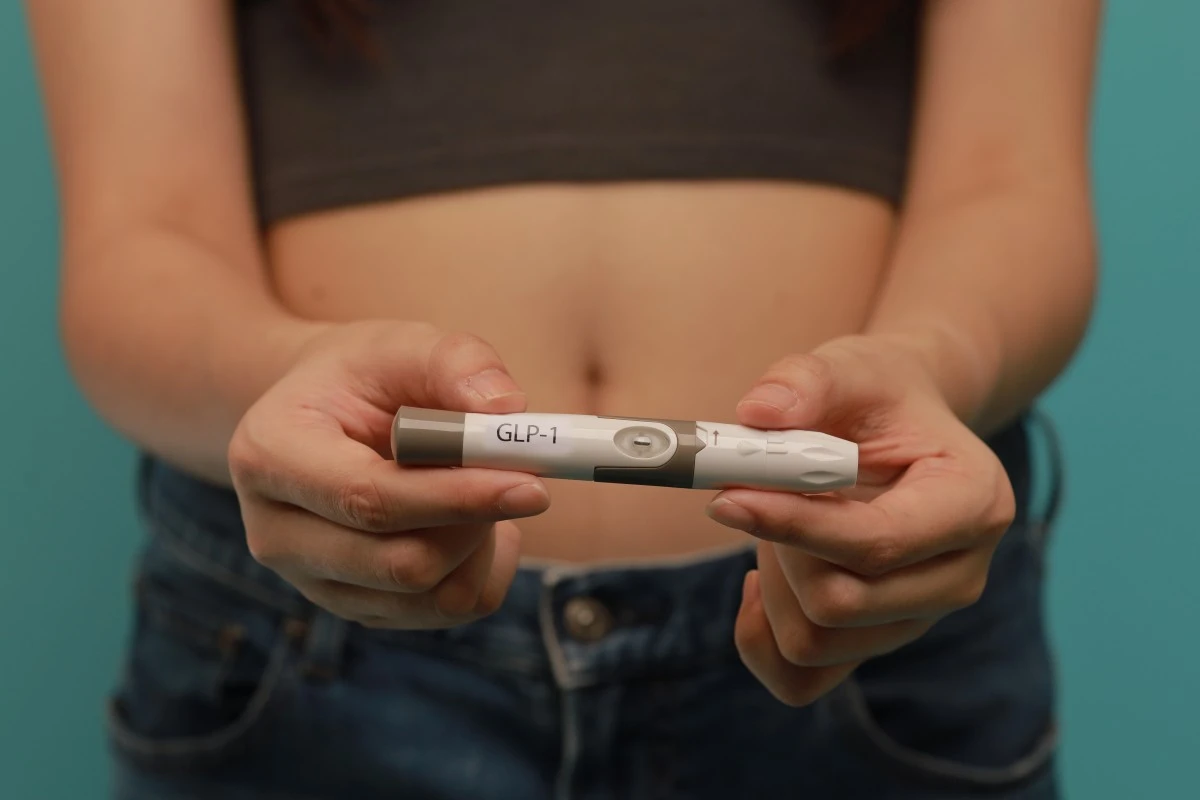 Novo Nordisk says the oral formulation of Wegovy could mitigate one of the barriers associated with injectable weight loss treatment.
From eating less to eating differently
The food industry has largely viewed the GLP-1 phenomenon through the lens of reduced consumption. But the more significant commercial question may be what consumers choose to eat when appetite is reduced.
Research suggests GLP-1 users may alter both the volume and composition of their food purchases.
According to Innova’s consumer research, GLP-1 usage increased from 10% of US consumers in 2024 to 18% in 2025. Additionally, due to reduced caloric intake, nutrient-dense products are in high demand.
After GLP-1 use, US consumers are increasing protein, vitamins, and fiber consumption, says the market researcher. Therefore, diet remains fundamental to achieving weight goals, and brands can capitalize on this by introducing GLP-1-friendly claims for their products and targeting consumers interested in weight loss.
Meanwhile, GLP-1 adoption is reshaping grocery behavior, driving demand for high-protein, high-fiber, nutrient-dense products. Major retailers and brands are launching GLP-1-aligned programs and products, from nutrient-dense beverages to “GLP-1 friendly” badges.
In addition, the rapid rise of GLP-1 weight-loss drugs is creating challenges and opportunities for red meat consumption, according to recent analysis from the UK’s Agriculture and Horticulture Development Board.
UK dairy producers also have an opportunity to innovate in whey, cultured dairy, and smaller, functional formats aligned to “less but better” eating habits, as part of GLP-1 trends.
Smaller portions, greater nutritional value
For an industry historically built around encouraging consumption, the rise of appetite-suppressing medicines presents a fundamental question: what happens when consumers increasingly value smaller portions rather than larger ones?
The answer may not simply be a decline in food consumption. Instead, the food basket could increasingly shift toward products that consumers perceive as delivering more nutritional value from each eating occasion.
This could create opportunities across categories, including high-protein foods, fiber-enriched products, functional beverages, dairy, snacks, and convenience foods.
The opportunity may also extend beyond products explicitly marketed for weight management. Mainstream brands could increasingly rethink portion sizes, protein content, calorie density, and nutritional positioning as consumer priorities evolve.
A changing food value proposition
The rise of GLP-1 medicines also points to a broader change in the relationship between health and food.
Appetite management, weight control, metabolic health, and preventative nutrition are becoming increasingly interconnected. At the same time, consumers are showing greater interest in products associated with protein, healthy aging, active lifestyles, and functional nutrition.
The next phase of the GLP-1 food effect
The scale and durability of these changes remain uncertain. GLP-1 use is still evolving, and consumer behavior will vary depending on the medicine used, treatment duration, individual response, and broader economic and lifestyle factors.
One key question for the F&B industry is therefore not simply whether GLP-1 users will eat less, but how they will spend differently.



Upcoming webinars

Oat-Standing Ingredients - Showcasing Irish Grain Through Innovation
Tirlán Ingredients

2027 Food Safety Risks for Quality & Compliance Leaders
FoodChain ID

Formulating for function: Developing benefit-led beverages with natural colours, botanicals, and flavours
Givaudan Sense Colour