




Supermarket food trends: What’s driving consumer purchasing decisions?

Key takeaways
- GLP-1 adoption is reshaping grocery behavior, driving demand for high-protein, high-fiber, nutrient-dense products.
- Some shoppers, especially GLP-1 users, eat smaller portions and prioritize satiety and muscle maintenance.
- Major retailers and brands are launching GLP-1-aligned programs and products, from nutrient-dense beverages to “GLP-1 friendly” badges.

The growing use of GLP-1 and push for more protein and fiber, as well as rising concerns over ultra-processed foods, is reshaping the grocery shopping landscape. These consumer trends are emerging as crucial influencers for changing volumes, food choices, and purchasing decisions.
Many retailers produce annual reports uncovering what their customers are looking for in the supermarket aisles, while also examining the broader trends behind fluctuations and declines, as well as predicting future trends.
Food Ingredients First takes a closer look at some of this year’s supermarket analysis from high-end UK grocer Waitrose and US giants Whole Foods, Kroger, and Walmart.
Snacking and the “carb comeback”
Waitrose’s Food & Drink Report 2025-26 pinpoints growing consumer sentiment and concerns over ultra-processed food, and how the rise in GLP-1 weight loss medication is influencing consumer behavior, while also highlighting the emergence of a “carb comeback.”

One notable shopping behavior change is that people are moving away from large, full meals and toward snacking and smaller portions. Meanwhile, sales of real butter and potatoes have increased, indicating a shift toward whole, natural foods.
Emilie Wolfman, Waitrose trend innovation manager, says, “The whole snacking scene is transforming. It’s still driven by the need for convenience to fit our busy modern lives, but now we’re seeing huge demand for ‘snacks with benefits’ and ‘natural indulgence.’ People want their snacks to be nutrient-dense, often high in protein, and with fewer additives, but more complex flavors.”
Satiety and nutrient needs
As the volume of GLP-1 users grows globally, manufacturers and brands are responding to this significant shift in the way people taking these weight loss medications perceive food.
GLP-1 suppresses the appetite, and while this is proving an effective method for weight loss cases and supporting people with obesity-related health issues, the rise in GLP-1 injections also highlights what other “losses” not eating so much food may incur. At the top of the list is how to pack in as many key nutrients as possible through functional food and beverages.
Consequently, consumers, as highlighted by Waitrose, may want less food, but are increasingly interested in high-quality, nutrient-dense, functional food with added health benefits. This demand is translating into an increased interest in protein, particularly for GLP-1 users who are concerned about losing muscle mass.
Waitrose found that 57% of shoppers surveyed sometimes replace a meal with snack foods. And, in line with the grocer’s “carb comeback” claims, research shows that more customers are influenced by gut health and plant-based eating, as well as the importance of packing in dietary fiber. Waitrose says sales of bread and beans are “soaring” and plans to increase fiber sold from key categories by 25% by 2030.
Whole Foods on fiber frenzy
The US specialist in natural and organic food, Whole Foods Market, also spotlights that fiber is gaining traction as consumers seek gut health, holistic digestive wellness, and natural ways to feel fuller for longer.
“Brands are getting on board with more fiber-forward callouts on packaging, and increasingly, we’re seeing products with added fiber hitting the shelves, like pastas, breads, crackers, and bars,” said the company when it released its Top Food and Beverage Trends 2026 recently.
“Roots like cassava and chicory are regulars on ingredient panels of prebiotic beverages, and konjac is a fibrous favorite in plant-based, ready-to-eat meals. Meanwhile, pantry staples like oats are the star of up-and-coming products, which tout the ingredient for being rich in prebiotic fiber and easy on the gut.”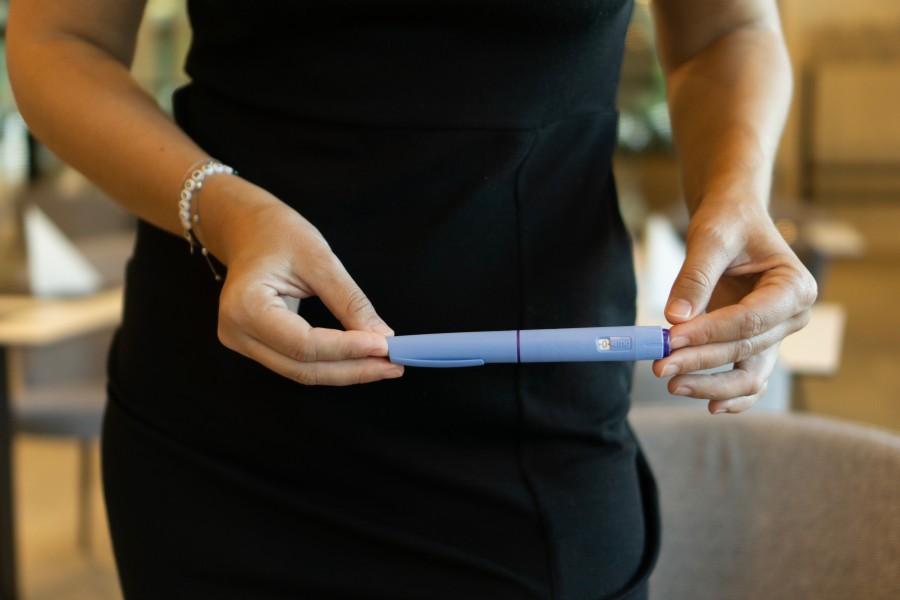 GLP-1 adoption is reshaping grocery behavior, driving demand for high-protein, high-fiber, nutrient-dense products.
US retailer GLP-1 partnerships
Kroger is the largest supermarket operator in the US, with an extensive network of stores, pharmacies, fuel centers, and private-label brands. It has partnered with GoodRx, a platform for medication savings in the US, to offer customers benefits on certain medications, including Ozempic, Wegovy, and Mounjaro.
Walmart also operates a similar program, where GLP-1 medication is delivered directly to users.
Previously, Kroger has spoken about how much GLP-1 influences the aisles by highlighting the range of private-label products that meet the specific needs of GLP-1 users, such as maintaining muscle mass, and offering high-protein and high-fiber products. The company has also suggested that these products could be given more prime shelf space.
Midwest-based grocer, Fresh Thyme Market, has also revealed its 2026 Food Trend Forecast, citing “GLP-1 lifestyle support” among key insights.
”With the rise of GLP-1 medications, shoppers are prioritizing nutrient-rich foods that support metabolism, satiety, and balanced nutrition. This means demand for lean proteins, fiber-rich foods like fresh organic fruits and veggies, probiotics, and calming stress-support supplements will keep growing. Fresh Thyme Market is leading the way in helping our customers meet these evolving needs with fresh, whole, and functional choices,” it says.
GLP-1 nutrition challenges
The rise in GLP-1 use has also led to a myriad of innovation from some of the largest F&B brands.
Earlier this year, Danone responded to high demand for nutrient-dense food and beverages with the launch of a cultured dairy drink specifically targeting GLP‑1 users and people on “weight‑loss journeys.” Oikos Fusion supports muscle maintenance and digestive health, and is specifically tailored for individuals who face unique nutritional challenges.
Another signifier that GLP-1 use is having a major impact on industry formulation and NPD was Nestlé’s summer 2025 launch of Nestlé Health Science. This platform responds to consumer needs for nutritional solutions while on weight loss journeys. It also provides US consumers with holistic and personalized insights across their entire diet, featuring tailored products from brands such as Garden of Life, Nature’s Bounty, and Boost.
“The number of people on GLP-1 weight loss therapies is growing, and Nestlé Health Science is uniquely positioned to support their changing nutritional needs,” said Anna Mohl, CEO, at the time of the launch.
“We have brands and expertise across our portfolio to support needs that can include preserving lean muscle mass, managing digestive upset, supporting an adequate daily consumption of micronutrients, and more… GLP-1 companion products are a key solution that we’re focusing on.”
GLP-1-friendly claims on the label
At the start of 2025, Congra Brands began a first-of-its-kind initiative where products sold under its Healthy Choice line will feature an “On Track” badge on 26 select items, indicating that the products are high in protein, low calorie, and a good source of fiber, which makes these items “GLP-1 friendly.” This move made Healthy Choice the first major food brand to call out “GLP-1 Friendly” on the package, and the program has been rolled out throughout this year.
“Whether you’re using GLP-1 medications, transitioning off them, working toward natural weight management, or simply focused on maintaining a healthy lifestyle, these products are tailored to meet a variety of needs.”
Walmart, Target, and Kroger are among the distribution points where products with Congra Brands’ badge — which has been reviewed and approved for use by the USDA — are being sold.
Food products can’t currently use “GLP-1-friendly,” “Ozempic-friendly,” or similar claims legally. However, many in the food industry believe this will change in the years ahead.