
New Year menus target GLP-1 users seeking high protein and low carb options


Key takeaways
- Restaurants and grocers are redesigning menus with high-protein, low-carb, nutrient-dense options for GLP-1 users.
- Smaller portions and half-servings are becoming more common to match reduced appetites.
- Major brands like Shake Shack, Chipotle, M&S, and Morrisons are launching GLP-1-focused products and menus.
Well-being and shifting diets take center stage as global consumers set their nutrition and food consumption goals for 2026. Weight management is a watchword at this time of year, as people shake off festive indulgences and begin a new chapter of health. Today’s food-related New Year’s resolutions include a new paradigm shift: the growing use of GLP-1 medications for weight loss.
This new era of weight management is no longer just about dieting or exercising more. There’s a major shift toward using medications like Ozempic, Wegovy, and Mounjaro as part of weight management, which is propelling the F&B industry to innovate in different ways to meet the unique needs of GLP-1 users.

Official, consolidated global figures specifically for weight-loss prescriptions aren’t routinely published yet, but individual research shows a significant increase in the adoption of these drugs. For instance, nearly 12% of Americans have used GLP-1 drugs for weight loss, including about one-fifth of women aged 50–64, according to a RAND report published last year.
As 2026 begins, a host of restaurants, grocers, and foodservice outlets are launching GLP-1-friendly products and menu modifications to align with the specific dietary needs of GLP-1 users.
The Ozempic-style eating experience
GLP-1 users seek out smaller portions packed with as many nutrients as possible, while having specific functions such as being protein- and fiber-heavy and containing fewer carbohydrates.
Some of the recipe tweaks this year include reducing bread-based ingredients and gluten to lower the carb profile.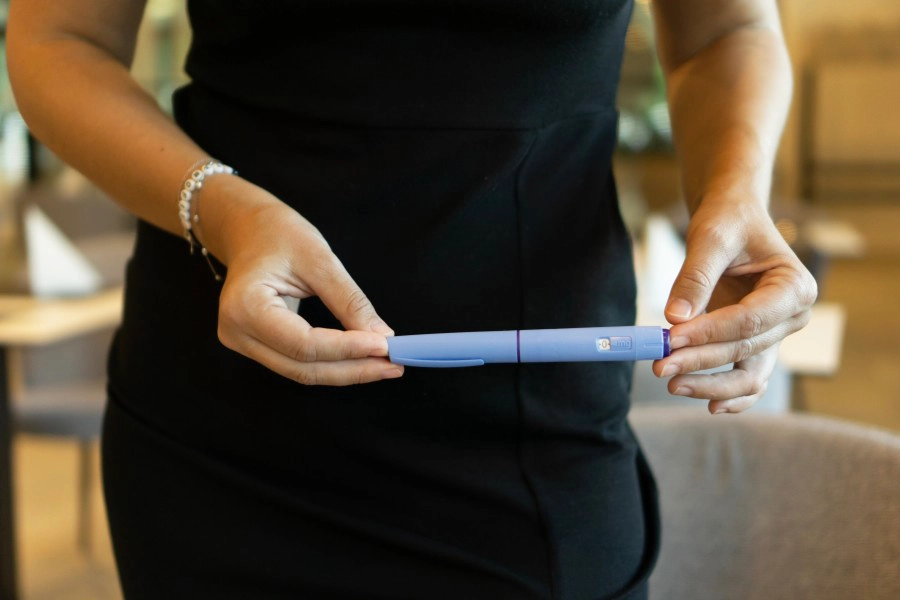 Today’s food-related New Year’s resolutions include a new paradigm shift: the growing use of GLP-1 medications for weight loss.
In contrast, other ingredient modifications include using high-quality cuts of meat (good examples are free-range chicken and Angus beef) to pack in as much clean protein as possible. Meat-free and plant-based options are also gaining prominence, offering vegetarian consumers a diverse range of dishes rich in non-animal protein.
Rethinking restaurant menus
Restaurants (including fast food outlets) are adjusting menus with smaller portions, lighter entrées, and balanced nutrition options (particularly protein-focused dishes) to accommodate changing dining habits.
This year, the foodservice sector predicts more half-portions on menus, aiming for nutrient-dense dishes that satisfy the appetite while keeping the consumer mentally and emotionally satisfied with their food experience.
Who is leaning into GLP-1 specifics in 2026?
American multinational fast-casual restaurant chain Shake Shack has launched a new menu featuring high-protein and lower-carb dining options, specifically targeting GLP-1 users.
The “Good Fit Menu” lineup is described as being “thoughtfully designed to meet you where you are. Whether you’re dialing up protein, cutting back, or simply eating with more intention, these options fit seamlessly into a wide range of dietary goals, preferences, and lifestyles.”
It includes items like burgers and wraps with lettuce instead of bread, meat patties packed with protein, and gluten-free buns.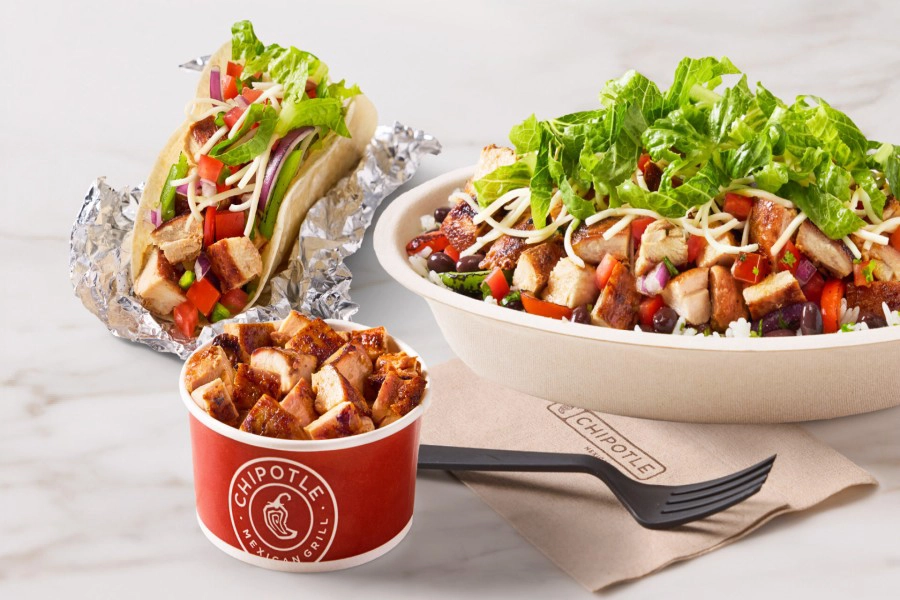 Chipotle debuts a High Protein Menu, with items ranging from 15–81 grams of protein per item.
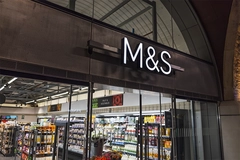
In the UK, British high-end grocer Marks & Spencer has enlisted its chefs and nutritionists to develop a new Nutrient Dense range, which is hitting the shelves this week. The nutrition criteria have been developed in consultation with the British Nutrition Foundation.
M&S head of food innovation, Annette Peters, says, “The Nutrient Dense range is incredibly useful for anyone trying to hit their nutritional targets. It is also great if customers are reducing their food intake, such as people using the GLP-1 medications. We have challenged ourselves to make products that are denser in nutrients than calories, so every single mouthful is packed full of more of the nutrients we all need.”
As GLP-1 users have suppressed appetites, M&S has focused on recipes that contain a very high amount of nutrients per calorie.
Another launch comes from UK supermarket chain Morrisons, which has collaborated with sports nutrition, health, and wellness brand Applied Nutrition. This partnership will see Morrisons formulate, produce, and sell Applied Nutrition-branded meals and food products.
The deal will initially involve the launch of 53 products across approximately 400 Morrisons supermarket stores in the UK, starting from early January 2026, with plans to introduce additional products later in the year. The high-protein product range will include balanced ready meals, food-to-go sandwiches and salads, as well as breads and cheeses. The range will consist of the UK’s first supermarket-exclusive range of GLP-1-friendly ready meals, according to Morrisons.
“We know our customers are increasingly seeking high-protein, functional foods that fit seamlessly into their everyday lives, at home, at work, or on the move. We are delighted to be partnering with Applied Nutrition, a highly trusted, fast-growing brand in the health space, and this exclusive range enables us to provide even more choice and great value to our customers,” says Lizzy Massey, own brand director at Morrisons. 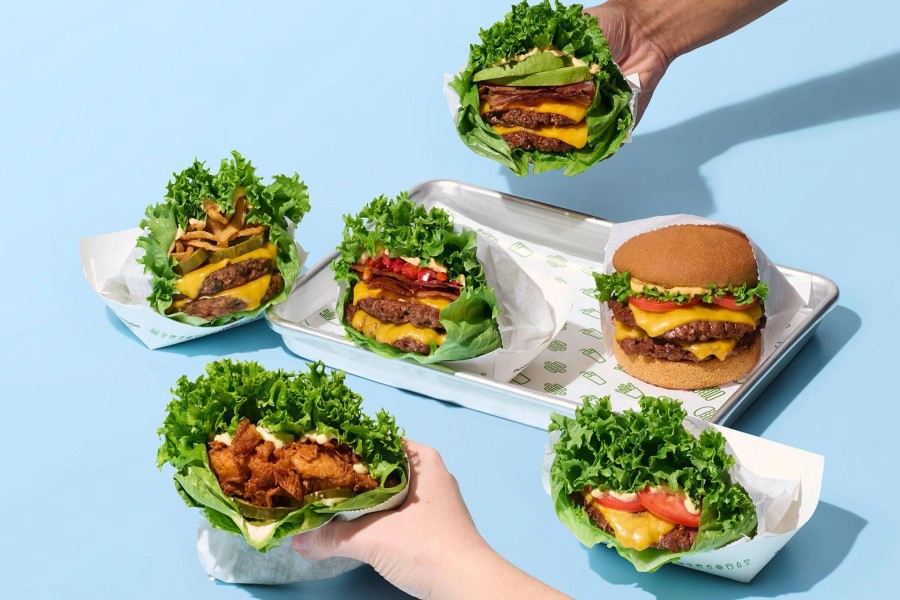 Shake Shack has developed a new menu featuring high-protein and lower-carb dining options targeting GLP-1 users.
GLP-1-friendly bowls and salads
Increased weight loss medication use in the US has also led to changes in Chipotle’s menus, which is debuting its “High Protein Menu” this year. It includes items ranging from 15–81 grams of protein per item, and the menu offers entrées like the Double High Protein Bowl and High Protein-High Fiber Bowl, snacks such as the new High Protein Cup, and a Single Chicken Taco.
“With the rise of GLP-1s and a broader focus on macronutrients, Chipotle’s new High Protein Menu offers more ways for guests to get the protein they want in the portions that work for them, whether that is a lighter bite or a more substantial build,” says a company statement.
Flavor in fewer bites
Following trials in the fall of 2025, US restaurant chain Olive Garden is introducing a new section for its 2026 menu, featuring smaller portions.
The Cheesecake Factory’s “Skinnylicious” menu section offers a smaller-portion, lower-calorie menu (~500 calories per dish), while Smoothie King provides a GLP-1 tailored menu featuring high-protein, zero-added-sugar smoothies.
Meanwhile, café chains, including coffee giant Starbucks, are introducing higher-protein lattes, protein drinks, and small breakfast pockets that cater to smaller appetite patterns.



Upcoming webinars

Oat-Standing Ingredients - Showcasing Irish Grain Through Innovation
Tirlán Ingredients

2027 Food Safety Risks for Quality & Compliance Leaders
FoodChain ID

Formulating for function: Developing benefit-led beverages with natural colours, botanicals, and flavours
Givaudan Sense Colour