



Vegetarian Society reveals how vegan certification is driving ingredient reformulation
Key takeaways
- Quorn, Beyond Meat, and This adopt independent certification as manufacturers seek to strengthen ingredient transparency, consumer trust, and plant-based market positioning.
- Vegan certification is driving ingredient reformulation, prompting manufacturers to replace animal-derived flavorings and fortification ingredients with plant-based alternatives.
- Plant-based innovation is shifting beyond meat mimicry, as manufacturers prioritize protein quality and simpler ingredients to meet evolving consumer demands.

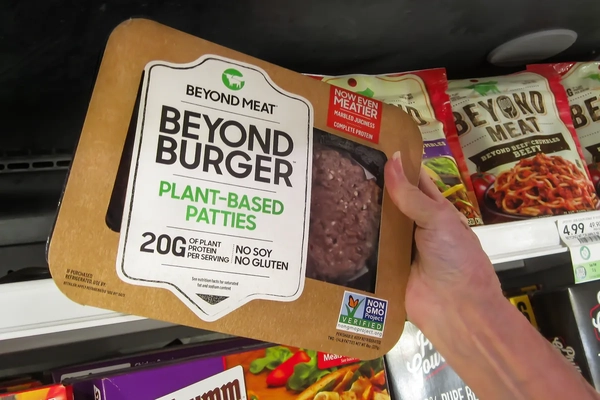
Leading alternative meat brands, including Quorn, Beyond Meat, and This, are strengthening their vegetarian, vegan, and plant-based credentials with the Vegetarian Society’s independent certification scheme. The move underscores the growing importance of ingredient transparency and consumer trust as shoppers increasingly scrutinize nutrition, processing, and sustainability.
Vegetarian Society is a British charity promoting vegetarianism. It says the certification marks help vegetarians, vegans, and flexitarians identify suitable plant-based products at the point of purchase.
For manufacturers, independent verification of ingredients and production processes helps build consumer trust, strengthen market positioning, and reach new audiences.
Ben Worth, director of development at the Vegetarian Society, explores how consumer demands are reshaping plant-based innovation and why certification is prompting brands to rethink formulations and ingredient sourcing, in an interview with Food Ingredients First.
Plant-based innovation moves beyond meat mimicry
Worth says plant-based food innovation is evolving beyond traditional meat substitutes, with manufacturers exploring new ingredients, textures, and flavors to improve the eating experience.
He describes consumer feedback as “mixed,” but identifies one recurring theme. “While there may be less choice on supermarket shelves than there was a few years ago, the overall quality, taste, and innovation of the products available have improved considerably.”
Worth highlights This Fillet Steak, which carries the organization’s Vegan Approved certification, as an example of progress in the category.
“It demonstrates just how far plant-based meat alternatives have evolved, combining a juicy, meaty texture and flavor with a crisp peppercorn crust,” he tells us.
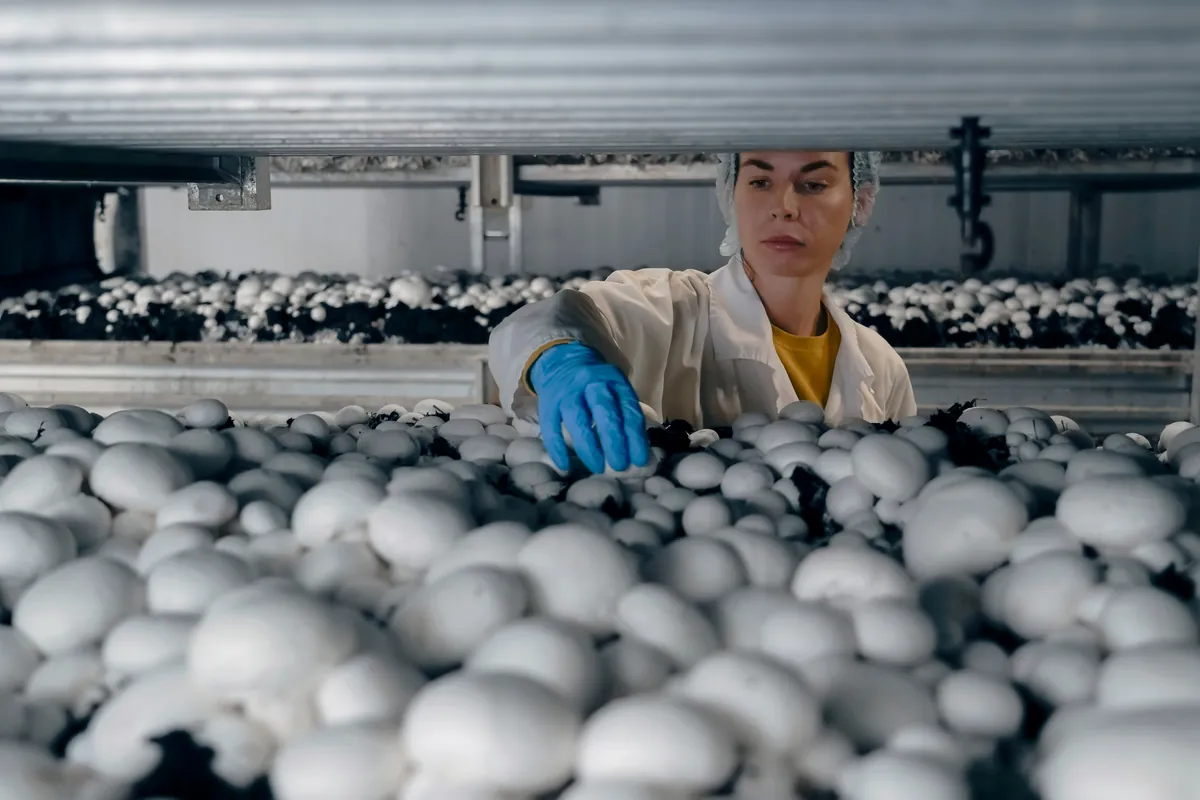 Manufacturers are exploring mushrooms, beans, and pulses to diversify plant-based alternatives beyond meat substitutes.Each steak provides 31 g of protein and is low in saturated fat. He also highlights its relatively simple ingredient list and versatility in applications such as pies and slow-cooked dishes. The product won Best Vegan Steak at the 2026 PETA Vegan Food Awards.
The shift toward nutrition-led innovation is also evident in Beyond Meat’s expanding portfolio, which includes products combining plant proteins with fiber, phytonutrients, and other nutritional components.
Beyond meat-free claims
Beyond meat-like products, Worth says manufacturers are increasingly exploring mushrooms, beans, and pulses to create alternatives with diverse textures and flavors that meet consumer demands.
“Consumers are also becoming more discerning. They are looking beyond simply whether a product is vegetarian or vegan, and increasingly considering factors such as nutritional value, ingredient quality, processing, and sustainability.”
Recent EU-backed research found that consumers were more receptive to eating vegetables and legumes than choosing commercial plant-based meat alternatives, urging the plant-based sector to rethink how manufacturers position their products.
“Brands that can respond to these evolving expectations have a real opportunity to stand out,” Worth emphasizes.
Certification prompts ingredient reformulation
According to Innova Market Insights, 33% of global consumers say independent third-party certifications increase their trust in a product’s safety and quality. For plant-based foods in particular, a 2023 Vegetarian Society-commissioned research study found that 84% of vegetarian and vegan consumers surveyed trusted its certification mark more than a manufacturer’s own vegetarian or vegan symbol.
Meanwhile, a separate 2025 survey commissioned by the UK-based Vegan Society found that 35% of consumers actively seek official vegan certification on food products. Some 70% of vegetarians, 57% of vegans, and 48.5% of meat reducers look for certified options.
Beyond building consumer trust, certification requirements can also influence how manufacturers formulate products and source ingredients.
Worth reveals that some brands have changed specific ingredients or their sources to meet the Vegetarian Society’s certification standards.
He identifies flavorings and fortified minerals as two areas that can complicate vegan certification.
“Some flavorings can contain animal-derived components or involve animal-derived substances during processing. Similarly, certain minerals and fortification ingredients may be sourced or formulated using animal-derived materials.”
“Where an ingredient doesn’t meet our requirements, or its suitability cannot be confirmed, we work with brands to identify the issue and explore suitable alternatives. In some cases, manufacturers have switched to plant-based sources of flavorings or fortification ingredients, enabling the finished product to meet our vegan certification criteria.”
Others have pursued vegetarian certification when their formulations could not meet vegan requirements, he adds. Plant-based innovation is expanding beyond meat and dairy alternatives into snacks, cooking oils, and beverages.
In September, the Vegetarian Society expanded the reach of its certification scheme by registering its modernized Vegetarian Approved and Vegan Approved marks in the EU, enabling F&B companies to use the labels consistently across European markets.
Plant-based certification reach expands
The Vegetarian Society is seeing a much broader range of products coming through for certification — extending well beyond traditional meat and dairy alternatives, Worth explains.
“These include everyday products, such as crisps, savory snacks, cooking oils, and both alcoholic and non-alcoholic drinks. We are also seeing growing interest from sectors beyond human food, including plant-based dog food, cosmetics, make-up and body care products.”
Worth adds that “unusual applications,” such as CO2, are also emerging, showing “just how far the demand for independently verified plant-based credentials is extending.”
To address different consumer requirements, the organization offers three certification marks — Vegetarian Approved, Vegan Approved, and Plant-based Approved.
“The key distinction is that our Plant-based Approved mark tells shoppers that a product is not only free from animal-derived ingredients, but is also characterized by plant or plant-derived ingredients,” Worth continues.
Both Vegan Approved and Plant-based Approved require manufacturers to meet the Society’s standards covering animal-derived ingredients, cross-contamination during production, genetically modified organisms, and animal testing.
The Plant-based Approved mark offers an “additional layer of clarity” about the nature of a product’s ingredients.
“It’s particularly valuable for consumers who want to prioritize foods made from plants, while giving manufacturers a clear way to communicate these credentials and build consumer confidence,” Worth concludes.