


Fi Europe 2026: How Zentis brings popping boba into bakery with heat-stable inclusions
Key takeaways
- Zentis’ heat-stable popping boba brings liquid centers to baked goods.
- Foodservice trends will guide its texture innovation in 2027.
- Customer co-creation helps balance nutrition, indulgence, and cost.

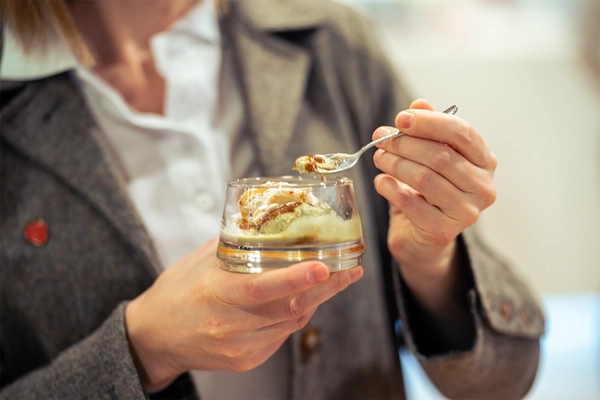
Zentis is extending popping boba beyond drinks with heat-stable pearls designed to retain their liquid centers in baked goods. At Fi Europe 2026 in Frankfurt, Germany (Nov 17–19), the fruit preparation specialist demonstrated how inclusions can give manufacturers more ways to combine contrasting textures in familiar products.
Speaking to Food Ingredients First, Stefan Wilke, head of innovation and strategic projects, said texture will also guide the company’s 2027 development efforts, with foodservice providing inspiration for future retail concepts.
“Texture, texture, texture. That’s why boba is popular right now,” he said.
The bakery application builds on boba’s widening role in food and beverage innovation. Zentis’ thermostable popping bobas were shortlisted for the event’s Plant-based Innovation Award.
Bringing the pop to bakery
The fruit preparation specialist has developed a version of popping boba that is suitable for incorporating into batter, as well as fillings that undergo heating. The aim is to retain a liquid center and popping sensation while allowing a baked product to develop a crunchy crust.
“You can use high heat in your baking process, and have a crunchy crust,” Wilke explained. Encapsulation allows the liquid component to remain inside the pearl, adding a different sensation when the product is eaten.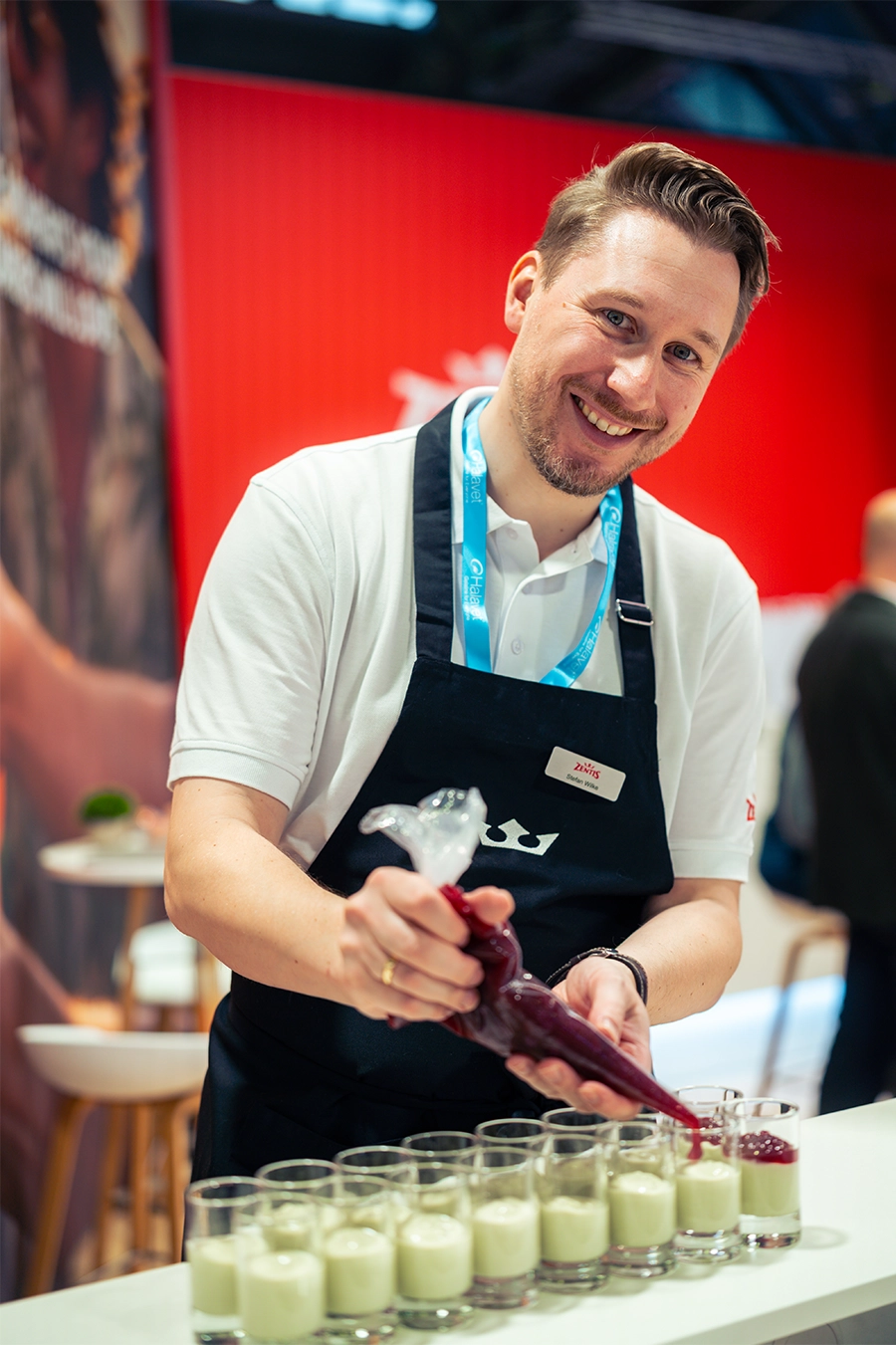 Stefan Wilke, head of innovation and strategic projects at Zentis.
“We don’t replace anything,” he said, describing the inclusions as another tool for food developers. “It’s simply a new ingredient for them.”
The wider popping boba range also offers opportunities in frozen desserts, both as toppings and within the product.
“We can put it inside the ice cream because they’re also freeze-stable,” Wilke said.
Fruit expertise is another part of the company’s approach to the category.
“Our background is fruit, so we put real fruit juice in our popping bobas. We are also flexible with the taste.”
From foodservice to retail
Wilke sees quick-service restaurants helping bring these formats to more consumers by using inclusions to add interest to soft drinks. For Zentis, that also creates a route to explore other applications.
The company is looking to Southeast Asia for inspiration, including nata de coco and aloe vera. It also explored other inclusions and discussed pea-based, protein-rich products at the trade show.
“The food preparation itself will not change, but what we can put inside will change,” Wilke added.
That thinking will carry into 2027, when Zentis plans to put more development effort into experiential products for foodservice. Wilke identified visually appealing, Instagram-friendly concepts as a priority, alongside understanding what else quick-service restaurants need from suppliers.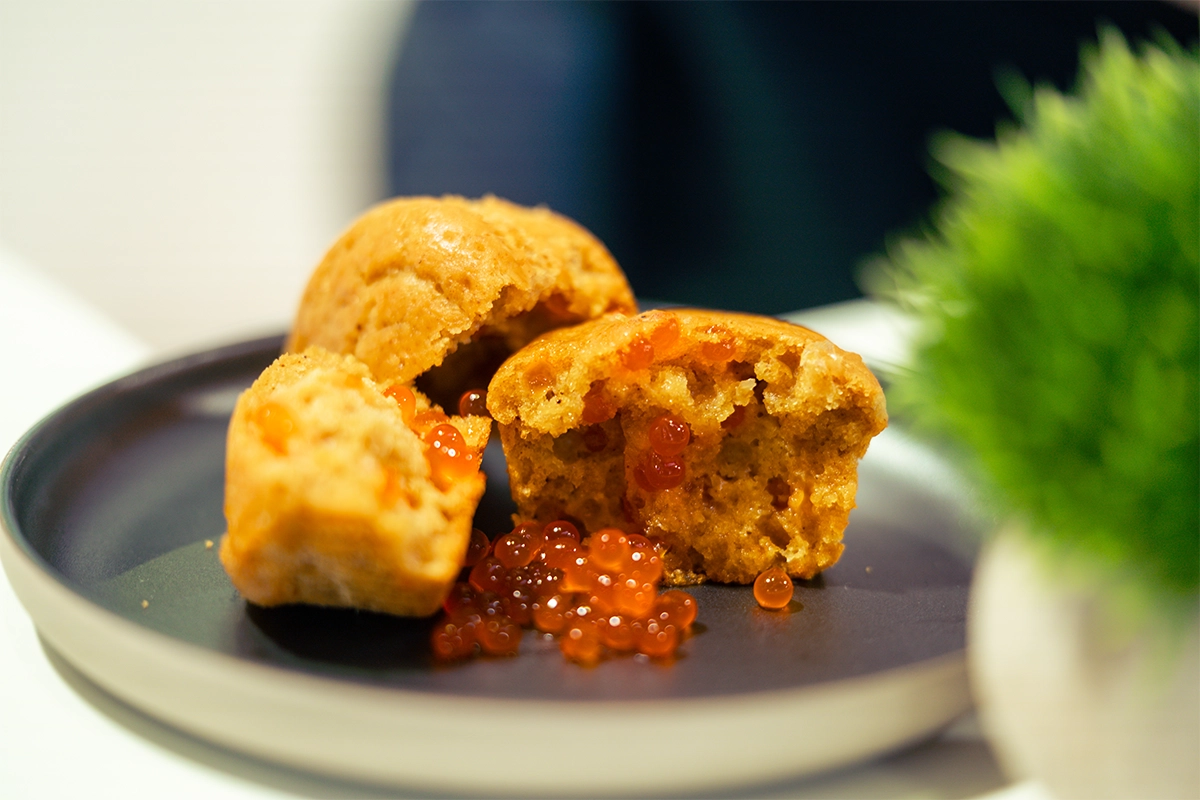 Zentis’ heat-stable popping boba adds a burst of flavor inside baked goods.
“And then when it becomes a trend there, it’s a great chance for our industry partner to pick up the trend, right?” he said.
Behind this work is a more structured approach to innovation management. Wilke is leading a department intended to move ideas through a defined development process, with a closer understanding of the consumers buying customers’ finished products.
“Our goal is to understand the customers of our customers,” he explained. “We need to understand why they ask for certain things.”
That can mean finding another use for an existing ingredient or developing something new for an established category.
“We have traditional products that we sell in new applications, and new products that we sell in old applications.”
Balancing nutrition, indulgence and cost
The approach also informs efforts to combine better nutrition with appealing taste and texture. Wilke points to high-protein concepts with indulgent flavors, such as cinnamon roll, to illustrate how different consumer priorities can come together.
“This can also be indulgent,” he said, stressing that “good taste is always king.”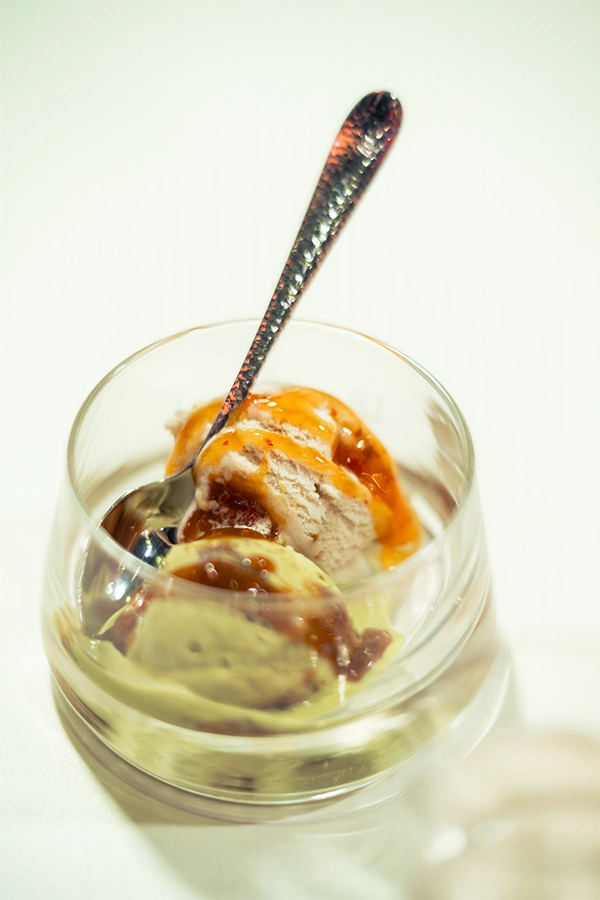 Zentis showcased new flavor and texture combinations at Fi Europe 2026.
Cost remains an important part of those discussions. Wilke said Zentis previously screened out some ideas before presenting them to customers, anticipating objections about price or unfamiliar ingredients. The company is now discussing more ambitious concepts earlier, including options that may require changes to a manufacturer’s production setup.
A sugar-reduced fruit filling demonstrates the shift. Wilke said the concept uses a monk fruit decoction. “It works just like a regular one.” Customer concerns about the price premium have prompted work on lower-cost fiber options for sugar-reduced preparations.
“Now we have a product that is not only performing, but it’s also attractive when it comes to pricing,” he told us.
Developing products through customer co-creation
Zentis also wants to build on its application support, helping manufacturers assess ingredients in products that resemble what they intend to sell. Workshops and innovation days allow customers to work with its teams on finished concepts.
“Come and do a workshop with us,” Wilke said.
“We have a bakery laboratory where we can not only prepare the food preparation but put it in a croissant, or a muffin, or whatever you want.”