




US food manufacturers adapt investment strategies amid cost pressures, BMO finds

Key takeaways
- Industry can navigate volatile input costs and supply-chain uncertainty through greater sourcing flexibility, automation, and selective mergers and acquisitions.
- Changing consumer preferences create opportunities and challenges for manufacturers balancing innovation with price competitiveness.
- Businesses continue to invest in productivity, technology, and strategic growth, but take a more disciplined approach to capital allocation and protecting margins.
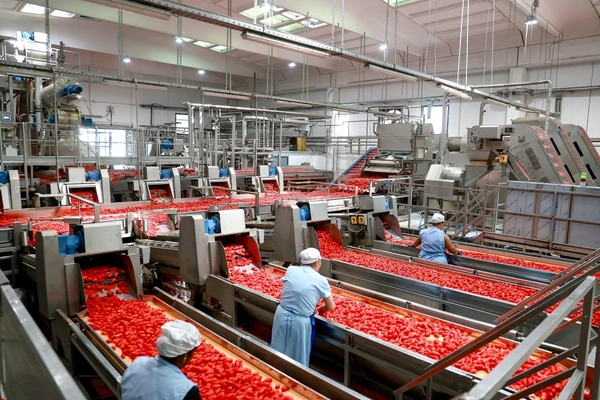
US food and beverage companies are facing a complex operating environment as they head into 2027, balancing persistent cost pressures and changing consumer expectations with the need to invest in productivity, innovation, and long-term growth.
That is the picture emerging from BMO’s Fall 2026 Business Outlook, released yesterday, which highlights the challenges and opportunities facing the F&B sector amid economic uncertainty, higher borrowing costs and volatile input costs.
According to the report’s industry assessment, consumers remain focused on value, while health and wellness considerations are increasingly influencing purchasing decisions.
Demand for products containing more protein and fiber, alongside functional ingredients, is among the trends reshaping what consumers are looking for.
For manufacturers, this creates a dual challenge to keep pace with demand for products that offer perceived nutritional and functional benefits while remaining competitive on price.
Companies must also continue to respond to shoppers’ purchasing priorities without losing sight of the cost pressures affecting production and profitability, the analysis notes.
The report identifies volatile input costs and supply-chain uncertainty as significant considerations for food businesses, with companies responding through greater sourcing flexibility, automation and selective mergers and acquisitions.
Building greater operational flexibility
Supply-chain resilience is becoming an increasingly important consideration for food and beverage businesses as they seek to manage fluctuating costs and uncertainty around the availability and pricing of ingredients and other inputs.
Greater sourcing flexibility can help companies respond to changing market conditions, reduce reliance on individual supply channels, and maintain continuity of production. It also gives manufacturers more options when faced with unexpected disruptions or price movements.
The emphasis on flexibility reflects a broader shift in business investment priorities. Across the US middle market, BMO reports that companies are increasingly willing to move forward with investments that may previously have been delayed but are applying greater scrutiny to expected returns.
For F&B manufacturers, automation is one area where investment can support this more disciplined approach. Technology and automated processes offer opportunities to improve productivity, make better use of existing capacity and address operational constraints.
Labor availability remains a structural challenge across multiple industries, while higher financing and operating costs are increasing pressure on businesses to protect margins. Investment decisions are therefore increasingly being assessed on their potential to deliver measurable improvements rather than simply expand capacity.
Innovation and consolidation
Consumer demand for protein, fiber, and functional ingredients also has implications beyond product development. Manufacturers must consider how changing formulations and product requirements fit within their existing sourcing, production, and supply-chain capabilities.
Businesses that can adapt their operations to accommodate evolving consumer preferences while maintaining cost competitiveness will be better positioned to pursue opportunities in the changing marketplace, the report notes.
BMO also points to selective mergers and acquisitions as part of the F&B industry’s response to current market conditions. Rather than pursuing growth at any cost, companies are increasingly focused on opportunities that offer a clear strategic or operational benefit.
Acquisitions can provide access to new product categories, capabilities, or markets while potentially strengthening supply-chain positions. However, the wider outlook suggests that businesses are approaching such decisions with greater attention to financial flexibility and the returns that transactions can generate.
The report’s findings reflect a wider theme across US business — a willingness to invest, but with a more disciplined approach to capital allocation.
A selective approach to growth
BMO’s broader economic outlook suggests businesses are entering 2027 with continued uncertainty around inflation, borrowing costs, geopolitical developments, and the policy environment. Although investment appetite is improving, companies remain conscious of the need to preserve financial flexibility.
“We’re seeing companies become more willing to move forward, but they’re not abandoning the discipline they’ve developed over the past several years,” says Tony Sciarrino, head, BMO Commercial Bank, US.
“Businesses are protecting margins, maintaining flexibility, and putting capital behind technology, productivity, acquisitions, and other investments where there is a clear return. Uncertainty hasn’t disappeared, but waiting for it to disappear isn’t a strategy.”
With value continuing to influence purchasing behavior and demand for health-oriented products evolving, manufacturers face pressure to remain responsive while protecting margins. BMO’s outlook suggests that those able to combine operational flexibility with carefully targeted investment will be best placed to pursue growth in 2027.