


Fresh produce industry urged to strengthen supply chain resilience as shipping risks mount

Key takeaways
- Fresh produce businesses urged to strengthen supply chain resilience through flexible sourcing, reliable logistics, and closer collaboration between trading partners.
- Cybercrime, fraudulent shipping documents, and payment fraud add to operational risks, highlighting the need for secure systems and transparent communications.
- The Global Coalition of Fresh Produce’s voluntary Charter of Good Shipping Practices sets out five principles to improve collaboration, cargo integrity, fair business practices, and risk preparedness.
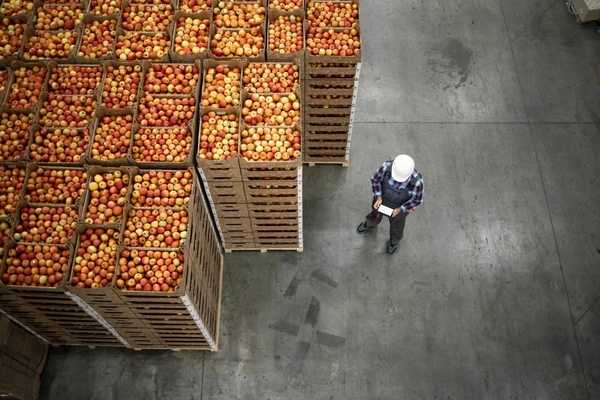
A new charter aims to improve collaboration, transparency, and risk preparedness across the fresh produce supply chain, as businesses face interconnected threats ranging from shipping delays to cybercrime and payment fraud.
The fresh produce industry needs to look beyond logistics to build more resilient supply chains, with collaboration, transparency, and trust between trading partners becoming increasingly important in managing disruption.
That was the message from industry experts speaking at Fruit Attraction 2026 in Madrid, Spain recently, where the Global Coalition of Fresh Produce brought together representatives from across the supply chain to discuss how businesses can protect perishable cargo and prepare for growing operational and commercial risks.
Protecting perishable produce
The session, titled “The Resilient Supply Chain: Collaborating to Safeguard Produce from Cyberspace to Cargo Holds,” examined the relationship between shipping disruption, food waste, cyberattacks, and payment fraud.

It also saw the presentation of the Global Coalition of Fresh Produce’s Charter of Good Shipping Practices, a voluntary framework intended to encourage more consistent and collaborative approaches to international produce shipping.
For a sector dependent on moving perishable products across borders within limited timeframes, disruption can have consequences well beyond a late arrival.
Delays can compromise product quality, shorten the time available for distribution and sale, and increase the risk of food waste.
Meanwhile, the complexity of international trade creates opportunities for fraudsters to exploit weaknesses in business systems and communications.
The discussion highlighted the need for businesses to consider these risks together, rather than treating logistics, cybersecurity, and commercial relationships as separate concerns.
Building flexibility into logistics
Greg Palmer, representing the Canadian Produce Marketing Association and the Global Coalition of Fresh Produce, highlighted the importance of flexible sourcing, reliable logistics, efficient shipping routes, and better coordination in responding to changing market demands and shipping disruption.
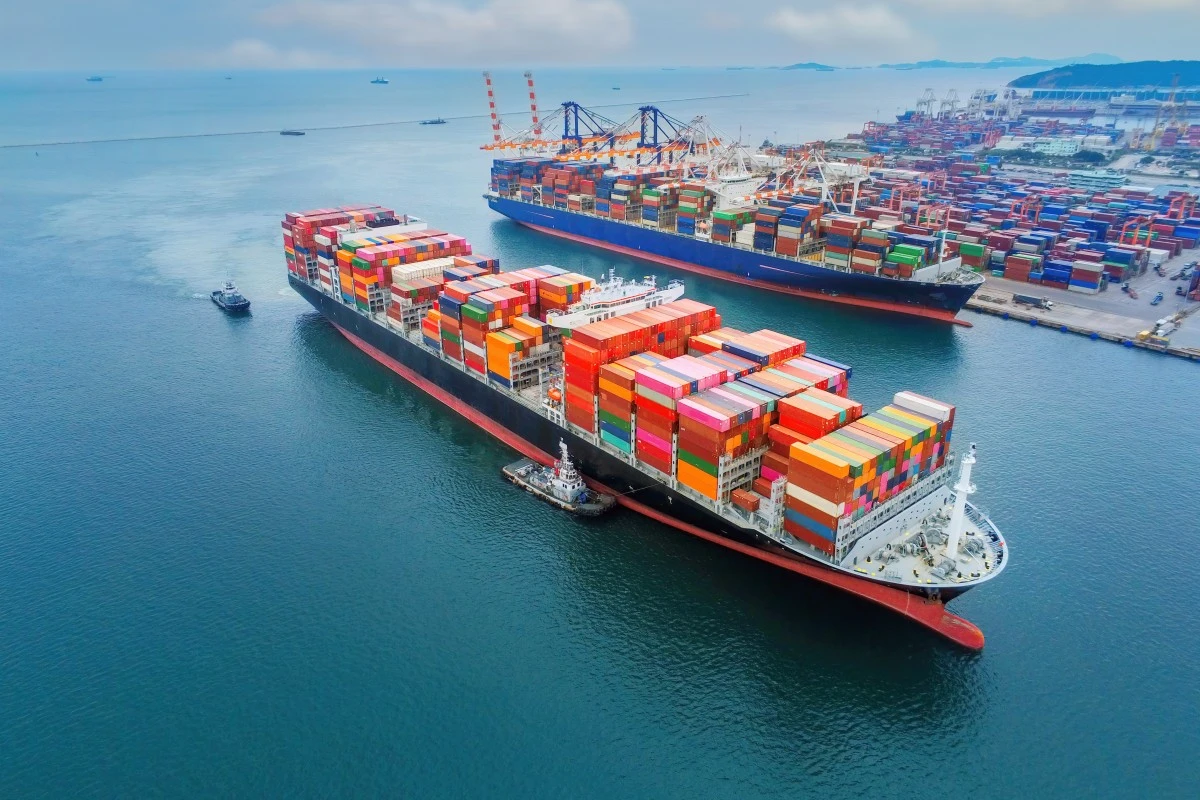 A new charter promotes supply chain resilience and cooperation as shipping delays continue to disrupt the fresh produce industry.For fresh produce businesses, resilience depends partly on the ability to adapt when established supply routes or sourcing arrangements become less reliable. Diversifying sourcing can provide alternatives when particular origins or transport routes are disrupted, while efficient logistics and coordination can help businesses respond to changing circumstances.
However, flexibility across the supply chain requires more than identifying alternative suppliers or routes. Growers, exporters, shipping providers, importers, and buyers need to share information and coordinate decisions if changes are to be made effectively.
This is particularly important for perishable cargo, where delays can reduce the time available to move, distribute, and sell products while they remain in good condition. Decisions made at one stage of the journey can affect the commercial and operational options available to businesses further along the chain.
Cybercrime adds another layer of risk
The risks facing fresh produce businesses are not confined to physical cargo and transport networks. Digital systems and commercial communications are also potential points of vulnerability.
During the session, Drew Zabrocki of Totem highlighted threats including compromised software, fake carriers, fraudulent documents, and payment requests. When a shipment is delayed or arrangements change at short notice, businesses may need to act quickly on new information, creating circumstances in which fraudulent requests can be harder to identify.
A fake carrier or fraudulent document can undermine confidence in the movement of goods, while a manipulated payment request can expose businesses to direct financial losses. Such incidents can also complicate the resolution of an existing shipping problem, adding uncertainty at a time when clear communication is essential.
Mike Laws of Laws Logistics and Steve Alaerts of Foodcareplus reinforced the importance of secure, robust systems to protect data and maintain trust between supply chain partners.
A charter to turn collaboration into action
The Global Coalition of Fresh Produce’s Charter of Good Shipping Practices aims to provide a common framework for addressing these challenges.
Presented at the session, the voluntary charter is built around five principles: collaboration and communication; fair and transparent business terms; competition and efficiency; cargo integrity and product quality; and resilience and risk preparedness.
These principles address the relationships and practices that underpin international shipping, recognizing that the performance of the supply chain depends on the decisions of multiple businesses.
As a voluntary framework, the charter offers the industry a shared reference point rather than a single operational solution. Its practical value will depend on how businesses apply its principles to their own shipping arrangements, commercial agreements, communication processes, and risk-management procedures.
The Global Coalition of Fresh Produce is inviting stakeholders across the industry to support the Charter of Good Shipping Practices and put its principles into practice.