




Nutri-Score versus warning labels: Study highlights food reformulation challenges

Key takeaways
- A German-Israeli study finds consumers recognize familiar nutrition labels faster, while warning labels communicate nutritional concerns more clearly.
- Researchers suggest nutrient-specific warnings could encourage food reformulation, while improved Nutri-Score ratings may not always indicate healthier products.
- The findings inform ongoing EU and US debates over mandatory front-of-pack nutrition labeling and consumer transparency.

Consumers notice familiar nutrition labels on packaged foods faster, but judge products differently depending on how nutritional information is presented, a German-Israeli eye-tracking study has found. Its findings add to the debates in Europe and the US over how best to communicate nutrition information on supermarket shelves.
The findings also raise questions about how nutrient-specific warnings could influence manufacturers’ reformulation strategies — and whether improved nutrition scores necessarily indicate healthier products.
The study compared Germany’s Nutri-Score with Israel’s warning-label system, testing both formats among 223 participants — 112 in Germany and 111 in Israel. Participants examined fictional food packages for products, including nuts, breakfast cereals, snacks, snack bars, and burger patties.
It recorded how quickly participants noticed labels and how long they examined them. Participants then rated perceived healthfulness, expected taste, and purchase likelihood.
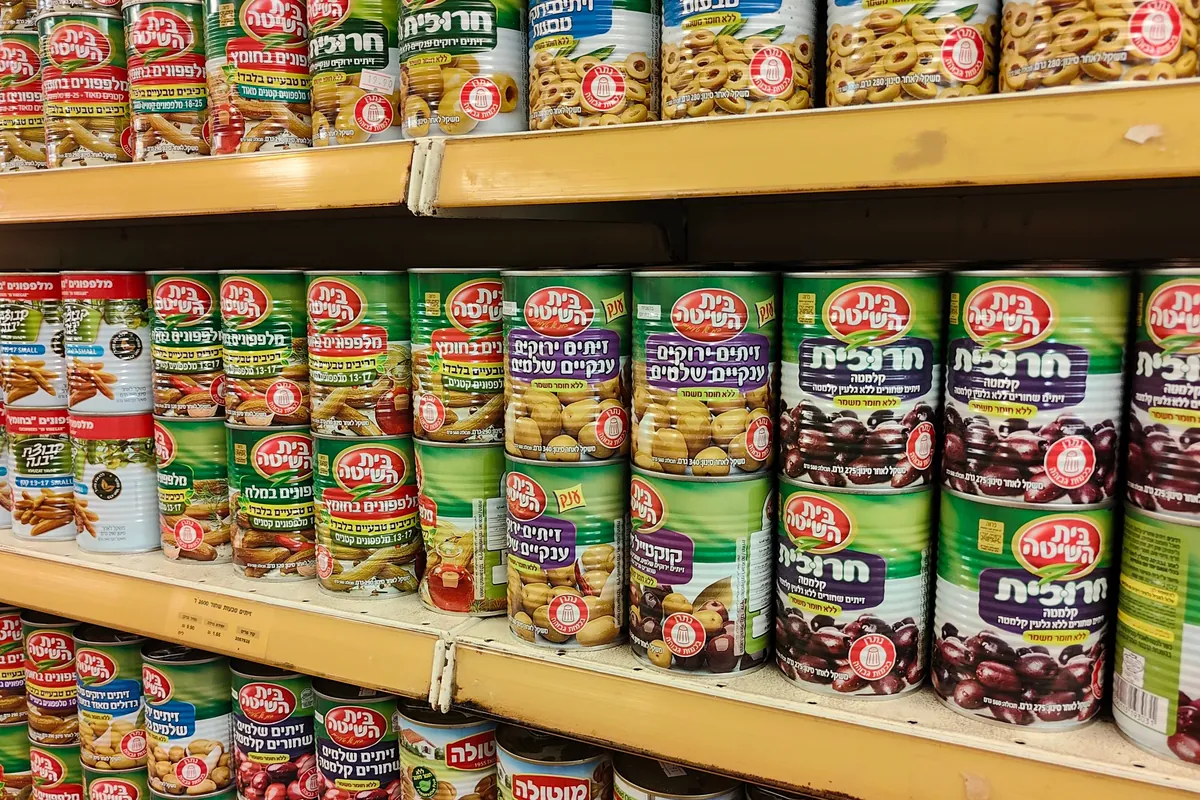 The study compared Israel’s warning labels that identify packaged foods high in sugar, sodium, or saturated fat with Germany’s Nutri-Score.Study author Aron M. Troen at the Hebrew University of Jerusalem tells Food Ingredients First that the findings suggest that explicit warnings communicate poor nutritional quality more clearly than an overall nutrition score.
“Participants in both countries rated the Israeli label system as easier to understand and more helpful for identifying healthier choices.”
“For manufacturers, the priority should be meaningful improvements in nutritional quality. A better rating or the removal of a warning should reflect those improvements; neither is, by itself, proof that a product is healthy.”
Familiarity shapes label perception
The study, published in Frontiers in Nutrition, notes that participants in both countries recognized their domestic labeling system more quickly. Germans spent longer examining unfamiliar Israeli warnings, while Israelis devoted more attention to Nutri-Score.
The researchers flag that longer viewing times can reflect unfamiliarity rather than stronger communication.
The labeling format also influenced product assessments. Foods displaying explicit red warnings generally received more critical healthfulness ratings than the same products carrying Nutri-Score, which prompted more moderate assessments.
The researchers suggest that Israel’s use of red and green symbols may offer a particularly direct way to communicate nutritional quality, compared with other labeling formats examined in previous studies.
“Until today, studies comparing different front-of-pack labels have focused on black warning labels instead of the Israeli warning labels,” the authors note.
 Aron M. Troen: When a reformulated product still exceeds a warning threshold, consumers should continue to receive that warning.“And yet, it is particularly the Israeli label system, which consists exclusively of the signal colors red and green, that may convey a ‘stop’ or ‘go’ message even more clearly and effectively than the Nutri-Score.”
Reformulation beyond nutrition scores
Troen says that nutrient-specific warnings identify a clear problem and a concrete target for reformulation.
“Their direct message creates stronger pressure to reduce excessive sugar, sodium, or saturated fat, although our study did not directly compare manufacturers’ responses.”
Troen also highlights potential limitations of graded nutrition scores, particularly when manufacturers improve a product’s rating without sufficiently addressing nutrients of concern.
“Graded scores can recognize incremental improvements, but they can also create a misleading impression of healthfulness. Depending on the scoring system, adding positively weighted components, such as protein or fiber, may improve a product’s rating even when it remains high in sugar, sodium, or saturated fat.”
Troen argues that more favorable scores should therefore be assessed against a product’s overall nutritional quality.
“Similarly, when a reformulated product still exceeds a warning threshold, consumers should continue to receive that warning.”
Warning label policies and reformulation
Although the study did not directly measure manufacturers’ reformulation responses, Troen points to international evidence suggesting that warning-based policies can encourage improvements in food composition.
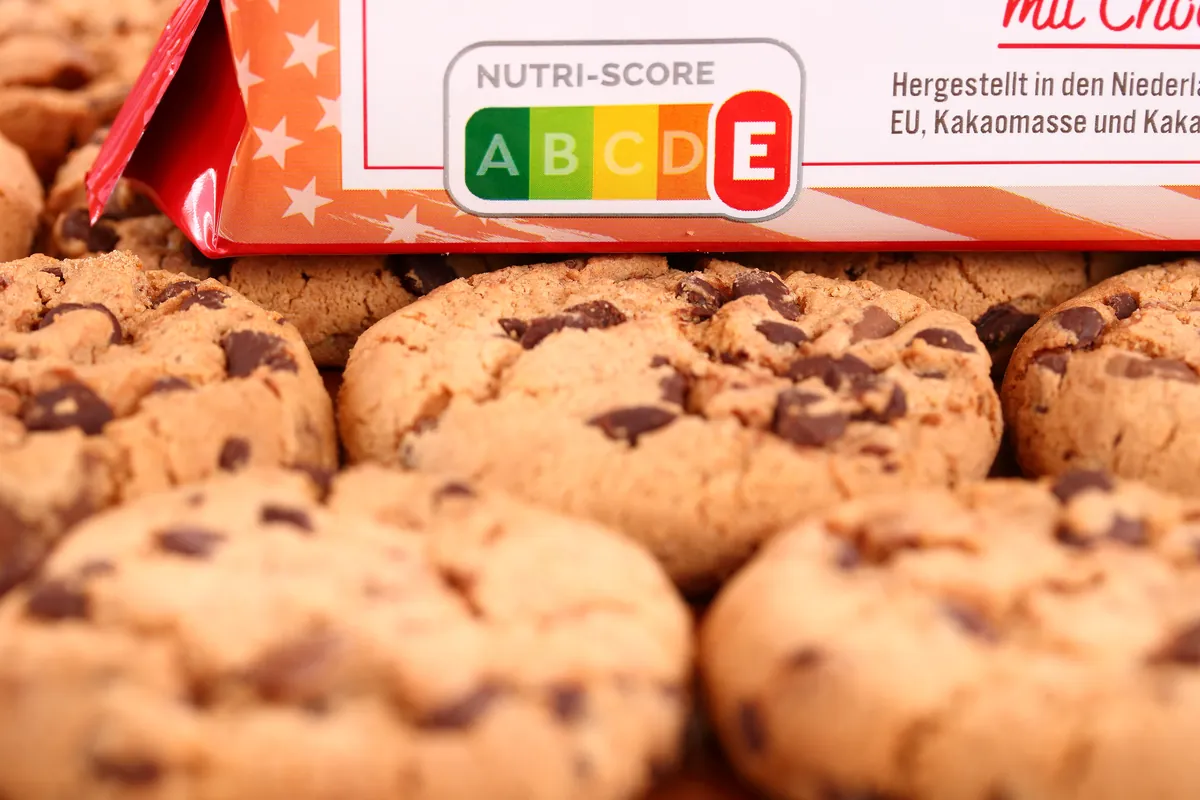 Adding protein or fiber can improve Nutri-Score ratings without reducing excessive sugar, sodium, or saturated fat, researchers warn. “Complementary evidence from Chile and elsewhere shows reductions in sugar and sodium in several food categories following a policy package combining mandatory warnings with marketing and school-food restrictions. Together, these findings support the potential of warning-based policies to guide healthier choices and encourage healthier reformulation.”
A separate recent study led by Cornell University, US, found that front-of-package marketing claims such as “organic,” “low sodium,” or “natural” frequently create a “health halo effect” — leading shoppers to assume a product is healthy even when trade-offs mean it contains higher levels of sugar or sodium.
Research in Peru has also linked mandatory front-of-pack warning labels to improvements in the nutritional composition of packaged foods.
Troen says manufacturers must also consider food affordability and appeal: “Producers have a responsibility to make healthier foods available, affordable, and appealing.”
EU and US mandatory labeling debates
The findings come as the EU debates a harmonized mandatory front-of-pack nutrition label, while the US proposes a front-of-package “Nutrition Info” box that would classify saturated fat, sodium, and added sugars as “Low,” “Med,” or “High.”
Troen argues that mandatory warning labels should provide a “consistent standard across the market, rather than leaving disclosure to individual companies.”
“Voluntary systems, including voluntary adoption of Nutri-Score, leave companies discretion over whether to display the information. They are therefore less effective at ensuring consistent disclosure across the food supply. Public health standards should apply to all relevant products and producers.”
He says labeling should be part of wider efforts to improve food environments, including controls on marketing practices that can undermine nutrition messaging. These include cartoon and celebrity characters, product placement, and misleading health and nutrition claims.
“Labels are but one public health intervention within a broader food and nutrition security policy. Their political feasibility has made them an important starting point for wider improvements, rather than a substitute for other necessary measures.”