
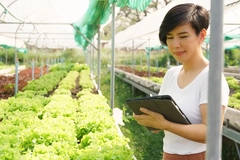

Global protein supply faces risks from imported feed and fertilizer dependence

Key takeaways
- Only Canada is rated fully sovereign in protein supply, while most assessed countries face varying levels of exposure to disruption.
- Dependence on imported feed and fertilizer leaves food producers vulnerable to geopolitical shocks, concentrated supply chains, and rising input costs.
- Food and beverage businesses should map supplier dependencies, diversify sourcing, and prepare for disruptions to protect supply and manage costs.
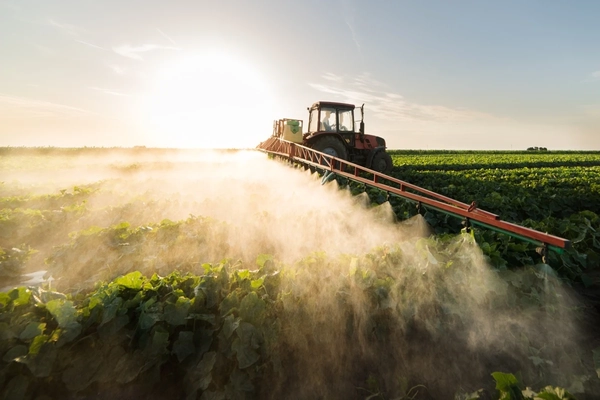
Published on World Food Day, a new index finds that most of the world’s protein supply is exposed to disruption, with countries that grow their own food often relying on imported feed and fertilizers.
The Protein Sovereignty Index measures countries’ protein supply resilience, from inputs to prices. The Strait of Hormuz’s closure has exposed key vulnerabilities, while a looming strong El Niño and warming waters off Peru have driven fishmeal prices to record levels.
The Protein Sovereignty Index rates the UK, Chile, India, South Africa, Vietnam, Peru, China, and Indonesia as “Exposed,””, while Canada is the only country rated “Sovereign.”
Argentina, the US, Australia, Russia, Brazil, New Zealand, and Norway are among countries described as “resilient,” while South Korea, Japan, and Egypt are “dependent.” Meanwhile, the Gulf states are rated as “critically exposed despite their wealth, with little land or water for farming.”

Protein sovereignty refers to a population’s ability to sustain affordable access to enough protein to meet its nutritional needs, even though disruption to production, trade, and critical inputs.
Why protein supply is vulnerable
Although the world produces enough protein, dependence on a small number of exporters, shipping routes, and imported inputs leaves global supply chains vulnerable to disruption.
Protein production is concentrated in regions where land, water, and feed are cheapest. Brazil and the US supply around 85% of the world’s soybean exports, according to the index.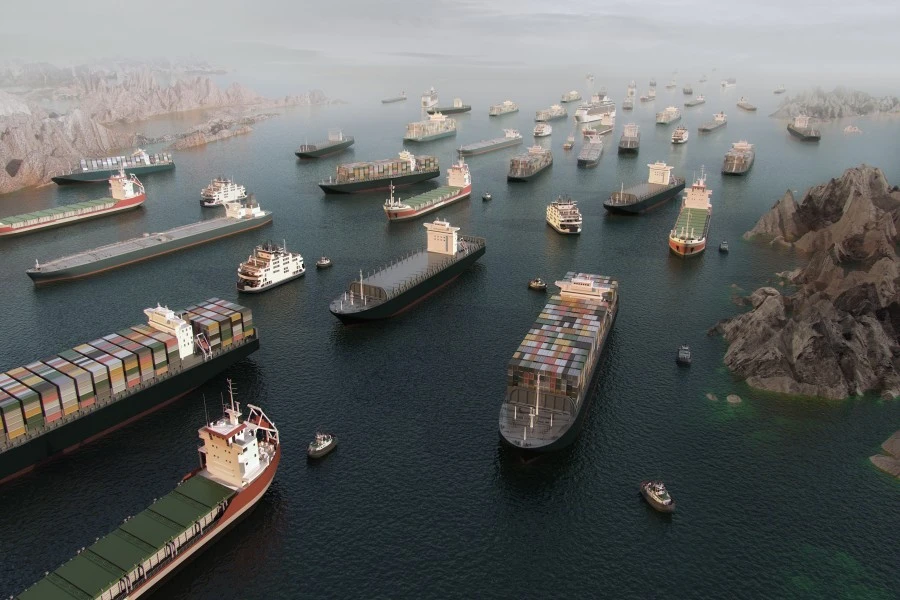 The Protein Sovereignty Index assesses countries’ resilience across the protein supply chain, from input availability to price stability.
It also gives examples of this such as one ocean current, running up the coast of Chile and Peru, supplying roughly half the world’s fishmeal, and that Argentina’s Pampas growing the grain that feeds much of the world’s livestock.
Risks to protein supply
Recent events and disruptions highlight the range of vulnerabilities facing global protein supplies. These include the rise of ransomware attacks like the hacking of operations at Brazilian meat giant JBS in 2021, which temporarily halted one of the world’s largest meat processors, to avian influenza devastating poultry flocks.
The Ukraine-Russia, war, which disrupted shipments through the Black Sea, and the Strait of Hormuz crisis, leading to fertilizer and farm production shocks that have raised costs and affected planting decisions worldwide, all contribute to the difficulties in protein supply.
Soy, fertilizer, and fishmeal expose supply risks
Speaking to Food Ingredients First, Felix Collins, author of the Protein Sovereignty Index and founder of Full Circle Biotechnology, Thailand, details some of the key findings and how food and beverage businesses can reassess their supply chain risks in light of this dependence.
“The index assesses each country’s protein security, but its findings apply to businesses too. Many countries that produce their own meat, eggs, and milk rely on imported feed and fertilizer to do so. Japanese farms, for example, produce 98% of the eggs the country eats, yet if you count only eggs from hens raised on Japanese-grown feed, the figure falls to 12%,” he says.
“A food business can have the same blind spot. A supplier that sources locally may still depend on soy from Brazil or fertilizer shipped through the Strait of Hormuz.”
“Businesses should map what their suppliers depend on, as well as who those suppliers are. They should then treat a feed or fertilizer shock as a risk to their own supply.”
Collins warns that fertilizer disruption can raise the cost of growing crops used in animal feed, with knock-on effects across the food supply chain.
In addition, he highlights that when countries compete globally for the same feed and fertilizer, supplies can get tight, and a problem in one region can push prices everywhere.
“In Australia, urea prices have risen by more than 70%. At the same time, El Niño is shrinking Peru’s anchovy catch, which is ground into fishmeal for fish farms and livestock. Feed is usually a farmer’s highest cost, so these rises tend to reach the price of meat, eggs, dairy, and seafood within a few months. Along the way, they squeeze the margins of processors and retailers,” he says. 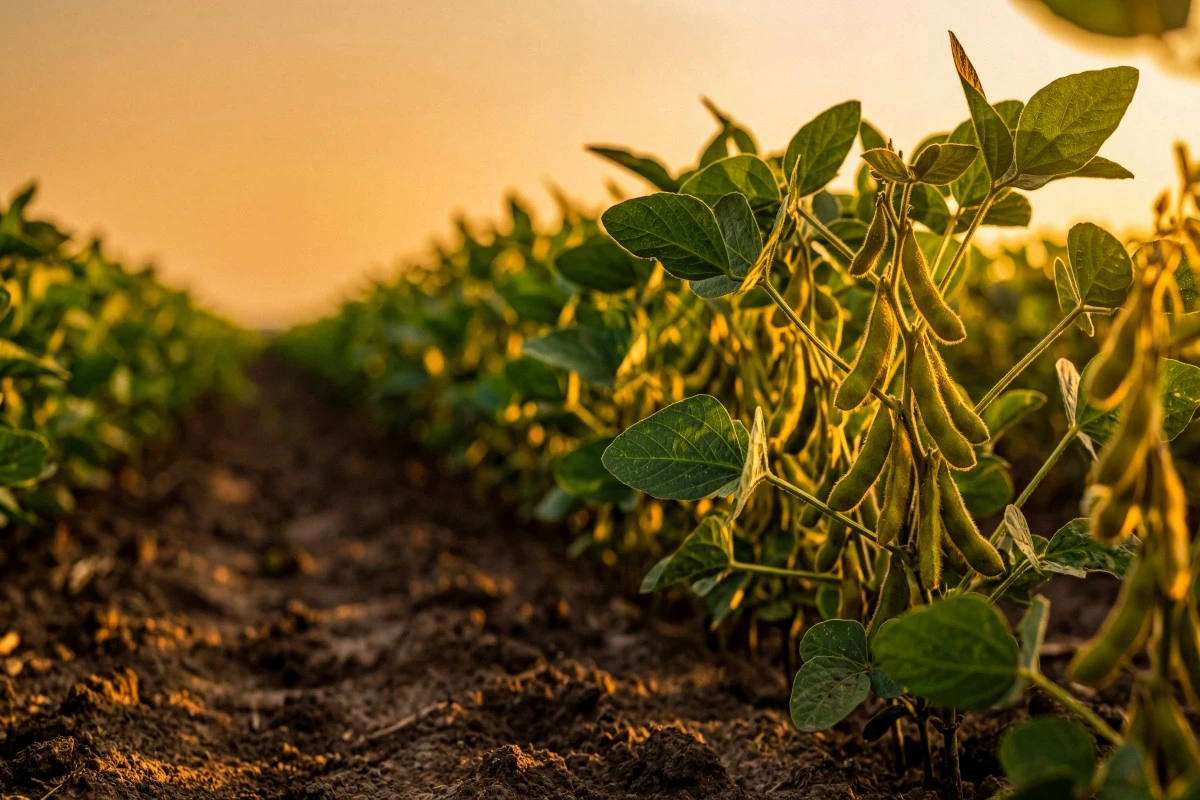 Protein production is heavily concentrated in regions with the lowest costs for land, water, and feed.
“Global protein supplies are increasingly vulnerable to disruption, with soy, fertilizer, and fishmeal particularly exposed due to concentrated production and trade. Soy imports depend heavily on a handful of exporters, while fertilizer supplies face similar risks. Fishmeal is another pressure point, as “soy, fertilizer and fishmeal stand out, because each comes from only a few places,” notes Collins.
“In 2025, China bought a record 111.8 million tons of soybeans, more than nine in ten of them from Brazil or the US. The EU buys almost all its soybean meal from outside the bloc. Fertilizer supply is just as narrow:— For instance, Canada mines nearly a third of the world’s potash.”
Businesses urged to map hidden supply risks
India also illustrates this dependence. It is the world’s largest milk producer yet imports 68.6% of its fertilizer by value.
“Exporters selling into these markets should expect demand to swing when costs rise. Governments under pressure can also stop exports, as China did with phosphate,” says Collins.
He says the index aims to raise awareness of strategic risks in protein supply chains, arguing that protein “deserves the same strategic attention that many governments already give microchips and critical minerals, because their populations’ health depends on affordable access to it.”
“We encourage governments to take a clear position on protein: know where their feed and fertilizer come from, spread the risk, plan reserves, and keep protein affordable for the people who rely on it,” he concludes.
Researchers from Chatham House, IFPRI, ODI, StoneX, and the University of Stirling reviewed the index and its methodology across 43 country assessments.