

Industry alliance issues new guidance on bacterial spores in plant-based beverages

Key takeaways
- Industry leaders issue new guidance on managing bacterial spore risks in plant-based beverage ingredients.
- Research found wide variation in microbial contamination, highlighting the need for stronger ingredient controls.
- The findings provide a scientific basis for improving food safety, product quality, and shelf life.
A group of major F&B companies has issued new industry guidance aimed at improving how manufacturers assess and manage bacterial spore risks in plant-based ingredients. The move reflects the growing attention on microbiological challenges as the plant-based beverage market matures.
The statement, released by an alliance including Ripple Foods, Royal FrieslandCampina, Tetra Pak, SPX Flow, and HP Hood, recommends that suppliers of plant-based ingredients intended for beverage applications strengthen monitoring and control of bacterial spores, including highly heat-resistant spores and Bacillus cereus.
The guidance has been endorsed by Dutch food research organization NIZO following a multi-year collaborative research project involving industry and academic partners.
Addressing microbial challenges
The recommendations stem from the Plant Protein Contaminants Consortium, a pre-competitive research initiative coordinated by NIZO in collaboration with Wageningen University & Research, and HAS Green Academy, in the Netherlands, as well as 11 industry partners.

The project addresses longstanding knowledge gaps around microbial contamination in plant-derived ingredients used in dairy alternatives and other shelf-stable beverages.
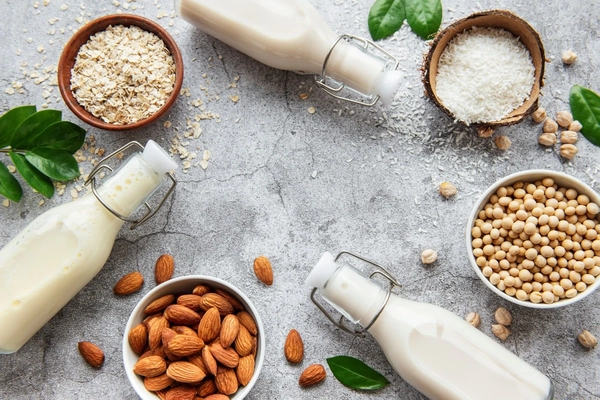
As demand for oat, pea, almond, coconut, and other plant-based drinks has expanded globally, manufacturers have increasingly focused on ensuring products can deliver long shelf life without compromising food safety or quality.
Unlike traditional dairy processing, plant-based formulations often rely on diverse agricultural raw materials that can introduce varying levels of naturally occurring microorganisms into production.
Spore-forming bacteria present a particular challenge because they can survive heat treatments commonly used in beverage manufacturing.
 Some bacterial spores can cause spoilage, reduced shelf life and food waste, while species such as Bacillus cereus may pose food safety risks under certain conditions.
Research findings
While many spores do not pose a direct health risk, some species can lead to product spoilage, off-flavors, package swelling, or shortened shelf life, creating quality issues and contributing to food waste. Certain species, including Bacillus cereus, can also present food safety concerns if conditions allow them to grow.
According to the consortium, one of the most significant findings was the considerable variation in microbial contamination between different ingredient types and even between batches of the same ingredient.
Researchers examined commonly used plant proteins and ingredients derived from peas, oats, almonds, faba beans, and coconut.
The research did not identify previously unknown or unusually heat-resistant microorganisms. Instead, it found that existing, well-characterized bacterial species remain the primary concern, highlighting the importance of robust ingredient specifications, supplier verification, and appropriate processing controls rather than fundamentally new mitigation strategies.
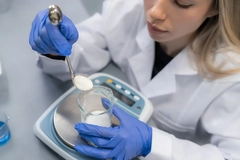
The project also produced practical tools for industry, including improved methods for detecting and quantifying bacterial spores, new data on spore heat resistance and growth behavior, and predictive models designed to help manufacturers identify critical control points during product development.
“Food safety is a shared responsibility. By sharing insights and establishing a common scientific foundation, we can help the sector develop safe, high-quality and sustainable plant-based products while reducing food waste,” says Dr. Ir. Fred van de Velde, principal scientist at NIZO Food Research.
Looking ahead
The alliance’s statement recommends that ingredient suppliers routinely monitor and control problematic spores before ingredients enter beverage manufacturing. The intention is to create more consistent specifications across the supply chain and simplify verification for food manufacturers receiving raw materials.
Pre-competitive collaborations of this type have become increasingly common across the food industry, as companies seek to address technical challenges that affect entire sectors rather than individual brands.
By pooling resources, companies can generate scientific data that would be difficult or costly to produce independently while establishing shared best practices.
The findings may also help support continued growth in shelf-stable plant-based beverages, a category that has expanded significantly over the past decade.
As manufacturers continue to diversify formulations and introduce new plant protein sources, consistent microbiological standards are expected to play an increasingly important role in product quality, regulatory compliance, and reducing unnecessary food waste.