

Kraft Heinz unveils plans to reorganize into three new regions


Key takeaways
- Kraft Heinz reorganizes operations into three regions across North America, Europe Pacific, and Emerging Markets.
- The move follows Kraft Heinz’s pivot from a two-company split plan, effective July 1, 2026.
- The shift mirrors restructuring at Unilever, Nestlé, PepsiCo, and IFF across the global food sector.
Kraft Heinz reveals it will revamp and reorganize its global operating structure into three areas. These will be North America (NA), Europe and Pacific Developed Markets (EPDM), and Emerging Markets (EM).
The new structure combines the company’s Asia Emerging Markets and West and East Emerging Markets (WEEM) into one EM region. The European countries currently included in WEEM will transfer EPDM, and NA, which includes the US and Canada, will stay the same. At the same time, Procurement and Supply Chain will be combined.
The move follows Kraft Heinz’s pivot away from a move that would have created two new separated companies, Global Taste Elevation Co. and the North American Grocery Co.
“We are building momentum across many areas of the business, and this regional structure will help us meaningfully accelerate and scale our progress,” says Steve Cahillane, CEO of Kraft Heinz. “Additionally, combining Procurement and Supply Chain into one central function allows us to more effectively manage our end-to-end value chain and strengthen supply chain resilience.
Restructuring and reorganizing
The reorganization comes at a time when several major food brand players are implementing similar plans. The reorganization is effective starting on July 1 2026, and Kraft Heinz states that the reorganization will allow the company to “accelerate growth, sharpen focus, and more effectively deploy resources across its portfolio of iconic brands.”
Those brands include Oscar Mayer, Ore-Ida, Kool-Aid, Philadelphia Cream Cheese, Lunchables, Honig, and several other well-known labels. Earlier this year, Kraft Heinz sold off its baby food brand, Plasmon, to Princes.
Similarly, Unilever also revealed it is considering a separation of food assets, following its demerger of The Magnum Ice Cream Company. McCormick made an offer on Unilever’s food division not long after the company announced its plans to separate. At the time, Barclays valued Unilever’s food business at approximately €30 billion (US$33.4 billion).
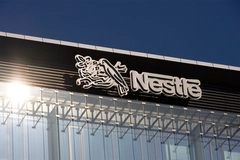
In April of this year, Nestlé also intensified its plans for restructuring with the sale of its Blue Bottle Coffee brand in a bid to sharpen the company’s strategic focus. The company also revealed it would restructure around four core businesses, Coffee, Petcare, Nutrition, and Food & Snacks.
Meanwhile, PepsiCo closed multiple Frito-Lay plants across the US in 2025, and formalized a restructuring plan as an investor pushed for SKU cuts and price reductions. IFF also announced the sale of its Food Ingredients business to CVC as part of an ongoing restructure.