



PepsiCo formalizes restructuring plan as key investor pushes SKU cuts and price reductions


Key takeaways
- PepsiCo agrees to cut 20% of its US products and reduce prices after activist investor Elliott Investment Management disclosed US$4 billion stake in September.
- The agreement formalizes restructuring signaled by November Frito-Lay plant closures across the US, affecting hundreds of workers.
- Consumer shift to better-for-you snacks drives changes, with Innova data showing 33% increased healthier snack consumption versus 15% for traditional snacks.
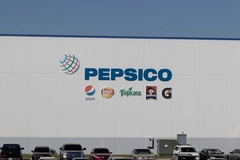
PepsiCo has reached an agreement with activist investor Elliott Investment Management to cut its US product lineup by 20% and reduce prices on core brands, formalizing a broader restructuring that includes the Frito-Lay plant closures announced this year.
Elliott Investment Management, a New York-based activist hedge fund (investors who take significant stakes in companies to push for strategic changes) that disclosed a US$4 billion stake in PepsiCo in September, had pushed the beverage and snacks giant to streamline operations and improve margins.
The firm, which manages over US$70 billion in assets, typically takes stakes in underperforming companies and advocates for operational improvements.
The agreement announced on December 8 commits PepsiCo to a comprehensive review of its North America supply chain, with results expected in late 2026. The company will also reduce its workforce across US and Canadian operations, ramp up automation and digitization, and invest savings into lowering prices on core brands.
“We are confident that PepsiCo will create substantial value for shareholders as it executes on this plan, and we look forward to continued engagement with the company,” Elliott partner Marc Steinberg said in a statement.
Connection to plant closures
The moves provide context for closures Food Ingredients First reported in November, when PepsiCo revealed plans to shutter Frito-Lay facilities in Orlando, Florida; Rancho Cucamonga, California; and Liberty, New York, affecting hundreds of workers. At the time, CEO Ramon Laguarta described the closures as adjustments to ensure “the right cost structure” as production was consolidated at other facilities.
PepsiCo’s third-quarter results showed volumes for North American foods fell 2%, reflecting weakened consumer demand amid persistent inflation and shifting dietary preferences. The company has faced pressure as consumers pull back on traditional snack purchases.
Consumer trends driving change
According to Innova Market Insights, approximately one-third of consumers globally increased their consumption of better-for-you snacks over the past year, while only 15% increased intake of traditional sweet or savory snacks. The research firm notes that 60% of consumers always look for healthier snack options.
PepsiCo said it would ensure affordable price tiers and expand its lineup with products featuring simpler and more functional ingredients as part of the restructuring. The company expects at least 100 basis points of core operating margin expansion over the next three fiscal years through cost cuts, automation, and digitization.
The restructuring reflects broader challenges across the US food manufacturing sector as consumers reduce spending on snacks. General Mills reported a 5% drop in third-quarter net sales, while J.M. Smucker reported a 7% decline in sweet baked snack sales.
PepsiCo maintained its full-year outlook, expecting core constant currency earnings per share to be roughly unchanged and organic revenue to grow by a low single-digit percentage.
Deal structure
Elliott will not receive board seats, and there are no plans for a proxy contest, according to a source familiar with the matter.
The agreement addresses Elliott’s September demands, which included refranchizing or spinning off PepsiCo’s North American bottling operations and divesting non-core assets in its food business.
PepsiCo said it is “carefully evaluating an integrated model” and will take “a nuanced approach,” factoring in return on investment, scale, and market share at a state level.