



Functional fiber moves beyond high-fiber claims as suppliers target formulation performance

Key takeaways
- Functional fiber is moving into higher-value applications beyond traditional bakery and cereal, including beverages, sauces, and snacks.
- Suppliers are targeting formulation performance, using fiber to support texture, bulk, sugar reduction, and prebiotic positioning.
- Competitive differentiation is shifting from basic “high fiber” claims toward multifunctional fibers with targeted health and processing benefits.

Consumer interest in gut health and “fibermaxxing” concepts is proliferating as functional fiber innovations expand beyond high-fiber claims. Ingredient companies are leveraging fermentation, microbiome science, and improved ingredient engineering to deliver fiber in mainstream and convenient formats.
Meanwhile, innovation opportunities in indulgent bakery, confectionery, beverages, snacks, sauces, and other everyday categories are gaining ground — provided fiber can be incorporated without compromising enjoyment.
Innova Market Insights identified Bakery (17%) as the top subcategory using fiber ingredients globally between July 2025 and June 2026. This was followed by Cereals (12%), Dairy (8%), Soft Drinks (7%), and Meat, Fish & Eggs (7%).
Food Ingredients First speaks with Ingredion, Samyang, and Puratos about where functional fiber is gaining commercial traction, how suppliers are overcoming formulation hurdles, and which technologies are expanding fiber’s role across F&B applications.

Fiber moves beyond gut health
Tara Kozlowich, director for global marketing, Healthful Solutions at Ingredion, says social media trends such as “fibermaxxing” are amplifying fiber awareness, particularly among younger consumers.
“This is driving demand beyond traditional categories such as cereals and bakery into convenient snacks, beverages, and sports nutrition products.”
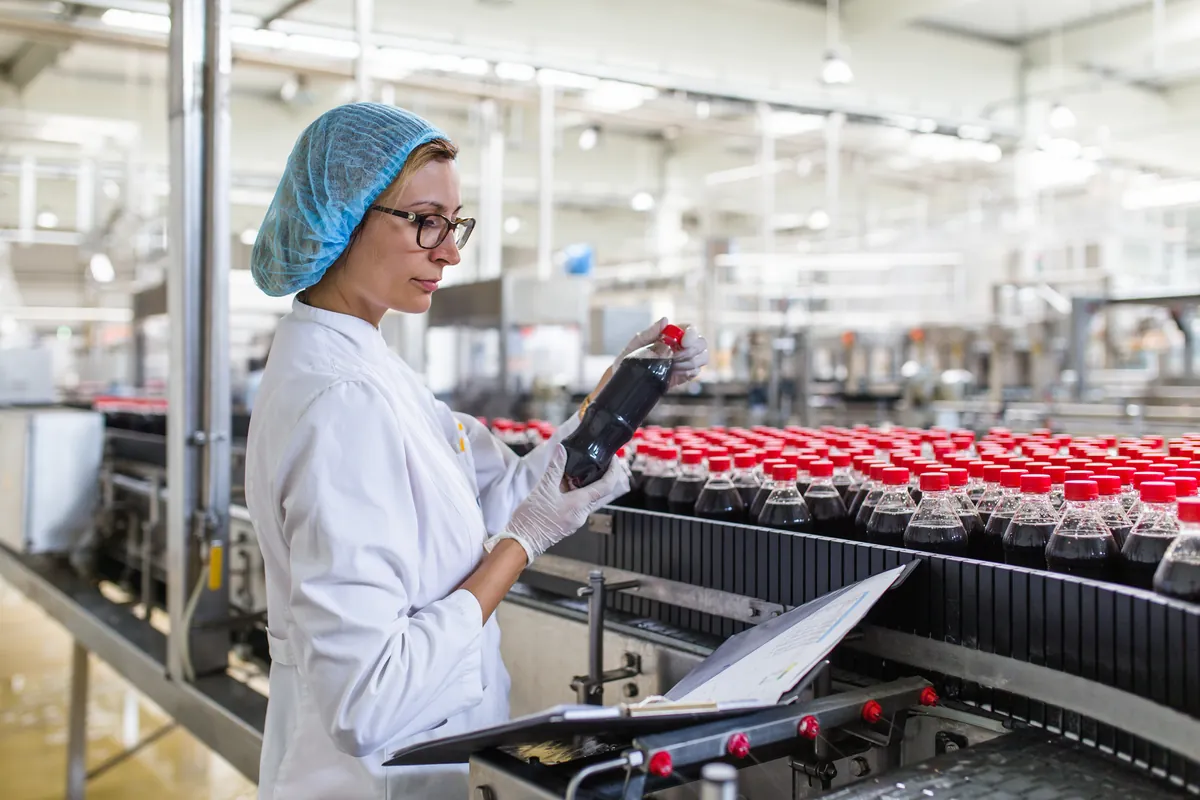 Soft drinks are emerging as a more visible platform for functional fiber. Douglas Lim, VP and head of North America Business at Samyang, says: “Consumers are increasingly seeking foods that support not only digestive health but also overall wellness, creating NPD opportunities for brands that help consumers meet their daily fiber needs.”
According to Sara de Pelsmaeker, group health and well-being director at Puratos, shoppers are also more aware that fiber can keep them satisfied for longer between meals.
“This is only going to get more relevant with growing GLP-1 use. Social media, where the gut is often described as the ‘command center’ of wider well-being, is adding to the momentum.”
Indulgence drives functional fiber innovation
As consumers become more informed about their health, De Pelsmaeker says they are no longer willing to choose between pleasure and well-being — they expect both.
“Our Taste Tomorrow ‘always on’ insights show that although taste remains the main driver for buying indulgent baked goods, 67% of consumers globally now choose certain foods and ingredients based on their health benefits, too.”
“Bakery manufacturers increasingly need to focus on delivering health and enjoyment — not one or the other.”
Kozlowich observes the same shift extending into everyday foods. She says the opportunity lies in “making fiber part of mainstream products that people eat every day,” including ready meals, savory snacks, sauces, beverages, dairy, and indulgent products.
“Combining fiber, protein, and sugar reduction propositions can improve the nutrition profile of everyday treats, giving consumers the ultimate ‘permission to indulge.’”
Lim describes Sauces, Dressings, and Confectionery as “relatively underpenetrated categories” where fiber enrichment has historically been less prominent.
 Tara Kozlowich: Fiber is not a one-size-fits-all ingredient measured only by grams.“In sauces and dressings, while taste and texture have traditionally been the primary formulation priorities, growing interest in sugar reduction and nutritional enhancement creates opportunities to incorporate dietary fiber to help restore bulk and solids while improving the nutritional profile,” he tells us.
Gummies, candies, and chocolates are emerging as opportunities to move beyond sugar reduction alone and toward better-for-you formulations enriched with dietary fiber and prebiotics, Lim adds.
Cracking fiber formulation
Formulation performance remains a central challenge as fiber moves into more mainstream and indulgent applications.
Kozlowich at Ingredion explains that high fiber levels can increase density, grit, viscosity, and processing stress because fibers differ in solubility, particle size, and water-binding properties.
“Formulators can manage these effects by selecting the appropriate fiber, controlling hydration, and pairing it with stabilizers or texture-building ingredients to rebalance viscosity, structure, and mouthfeel.”
In bakery applications, the broader challenge is finding clean label solutions that hold taste, texture, and freshness together, says de Pelsmaeker at Puratos.
“Sourdough, fermented ingredients, whole grains, and functional fibers can all help, because they contribute to flavor, texture, and freshness while supporting a more natural positioning.”
Lim at Samyang takes a slightly different view, stressing that fiber can itself contribute useful formulation functionality.
“Depending on the ingredient and application, dietary fibers can also help compensate for the loss of bulk and solids resulting from sugar reduction, while contributing to viscosity and texture optimization.”
Rethinking fiber functionality
De Pelsmaeker says that not all fibers affect texture or increase viscosity negatively.
“In reality, there’s a huge variety of fiber functionality, depending on the source, structure, and how it’s processed. For example, not all fibers gel, thicken, or impact processing performance negatively,” she explains.
 Doughlas Lim: Crystalline fiber can improve flowability and dispersibility in powdered beverages and bakery formulations.Another fiber misconception Lim points to is the idea that the functional benefits of dietary fiber are limited to the gut.
“Emerging research suggests potential links between short-chain fatty acids, produced through the fermentation of dietary fiber by gut microbiota, and muscle metabolism.”
“Samyang is also exploring these opportunities through its research on the Gut–Muscle Axis using Fiberest, investigating potential applications beyond traditional gut health benefits and into new areas of nutrition.”
Assuming that fiber is a “one-size-fits-all ingredient” is another myth, as consumers and brands increasingly look beyond only the amount of fiber, says Kozlowich.
“Fiber can also shape the product itself — soluble oligosaccharide-based fibers may contribute sweetness, support browning, and help maintain the perception of moistness over shelf life, while insoluble fibers can help regulate water migration and support structure in baked goods.”
Advancing fiber innovation
Technological advances and ingredient discovery are giving manufacturers more control over how fiber performs in formulations and how its health benefits are targeted.
“Through our collaboration with Shiru, Ingredion is exploring AI-enabled methods to identify and validate naturally derived functional ingredients, including next-generation prebiotics, more rapidly than conventional screening,” Kozlowich notes.
She cites the company’s recent water-soluble, heat- and pH-stable fiber innovation as an example of this approach. “Benicaros SF Pure P is a soluble carrot fiber derived from upcycled carrot pomace. Although it is described as a fiber, its primary value is not increasing fiber content but delivering targeted prebiotic functionality at a very low use level.”
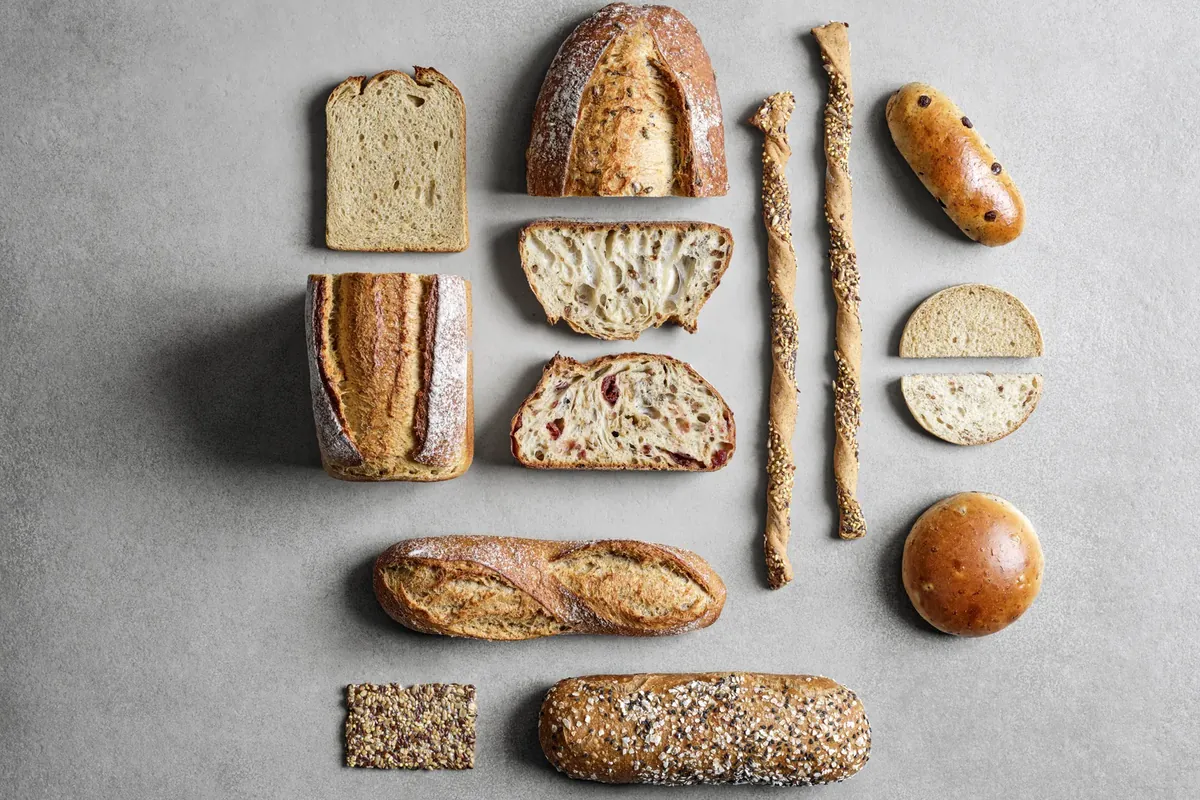 Functional fibers can support moisture retention and structure in baked goods.Ingredion positions the ingredient around targeted prebiotic functionality at a low daily dose of 300 mg.
For Samyang, functional fiber innovation focuses on ingredient properties and multifunctionality. Its Fibernova Kestose is a high-purity crystalline soluble fiber containing more than 99% dietary fiber and approximately 1% sugar, Lim tells us.
“While many commercially available dietary fibers are supplied in powder form, Fibernova Kestose features a crystalline structure that offers low hygroscopicity, excellent flowability, and uniform dispersibility.”
It can be used in powdered beverages, bakery, and supplements, alongside opportunities to combine fiber enrichment with sugar reduction and prebiotic positioning.
Puratos, meanwhile, is advancing fermentation and fiber processing to improve sensory performance. De Pelsmaeker cites research into sourdough-fermented wheat bran, which points to reduced bitterness and grittiness and higher soluble fiber content.
“Studies into fiber particle size and fractionation show that controlling these characteristics can raise fiber content with limited quality loss, though the best size depends on the application,” she says.
Beyond “high fiber” claims
As fiber incorporation in F&B increases, the experts expect differentiation to increasingly depend on what the fiber does, rather than simply how much a product contains. Innova similarly notes that fiber innovation is moving beyond generic high-fiber claims toward targeted prebiotic functionality and broader health outcomes.
 Sara de Pelsmaeker: Fermentation can improve fiber’s sensory performance, while prebiotic science expands its gut health potential.Lim at Samyang sees this shift most clearly in mature categories. “In categories such as Snacks and Cereals, where fiber enrichment is already well established, brands increasingly need to differentiate their products beyond conventional ‘high fiber’ claims,” he says.
De Pelsmaeker at Puratos expects fiber to become increasingly mainstream in bakery applications.
“This is only the start of the fiber boom, and in bakery, fiber is on its way to reaching a similar [status] to proteins in the wider food industry,” she says.
Kozlowich at Ingredion sees an opportunity to improve how fiber benefits are communicated.
"For US consumers, according to the International Food Information Council, not knowing which foods contain fiber is the biggest barrier to eating more, cited by 30%, ahead of cost (27%) and taste (26%).”
But she cautions that “the opportunity is not to simply add another front-of-pack claim,” arguing instead for products that combine greater nutritional value with the taste and texture consumers prefer.




Upcoming webinars

2027 Food Safety Risks for Quality & Compliance Leaders
FoodChain ID

Formulating for function: Developing benefit-led beverages with natural colours, botanicals, and flavours
Givaudan Sense Colour

Let's reveal the grain potential: Innovate
Meurens Natural