

Consumer psychology: How unplanned shopping drives impulse purchases

Key takeaways
- Shoppers without a specific shopping goal made impulse purchases in 69% of cases, compared with 24% of those following their usual grocery routine.
- The study challenges the common advice to avoid grocery shopping while hungry, finding no clear overall relationship between hunger and impulse purchases across the shopping basket.
- Older shoppers made fewer impulse purchases despite reporting higher hunger levels, suggesting age and shopping habits may influence purchasing behavior.
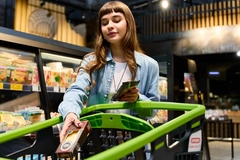
Supermarket shoppers are significantly more likely to make impulse purchases when they enter a store without a specific shopping goal than when following their usual grocery routine, according to new research from Breda University of Applied Sciences (BUas) in the Netherlands.
The study found that hunger had little influence on unplanned purchasing overall, challenging the widely held advice that consumers should avoid grocery shopping on an empty stomach.
The research, published in the Journal of Retailing and Consumer Services, analyzed receipts from 323 supermarket shoppers, covering 3,819 individual products. Participants also rated their hunger on a scale of zero to ten immediately after shopping.
Shopping purpose emerged as the strongest predictor of unplanned purchases. Shoppers without a specific goal made an impulse purchase in 69% of cases, compared with 24% among those completing their usual grocery shop.

The findings suggest that the reason consumers enter a supermarket may be more important in determining what ends up in their baskets than how hungry they feel.
Sait Durgun, a researcher in BUas’s Leisure & Events domain and a member of its Experience Lab, investigated the relationship between hunger, shopping purpose, and unplanned purchasing with co-authors Berrak Deniz Çetinkaya and Hakan Koç.
Hunger has a limited overall effect
Despite the common assumption that hungry shoppers are more susceptible to temptation, the study found no clear overall effect of hunger on impulse purchases across the shopping basket.
The researchers did, however, identify a relationship in the sweets and snacks category. For each one-point increase in self-reported hunger, the odds of an unplanned purchase in this category rose by approximately 9%.
The finding suggests hunger may be more relevant to specific food categories than to grocery purchasing behavior as a whole. For food and beverage retailers, this distinction could be important when evaluating consumer behavior across different product categories.
However, the results demonstrate an association rather than proving that hunger directly causes impulse purchases.
The study’s authors found that shopping purpose remained a significant predictor when hunger and other factors were taken into account.
“The advice is simple. What you plan to do before you enter the store may be more important for impulse buying than how hungry you are,” says Durgun.
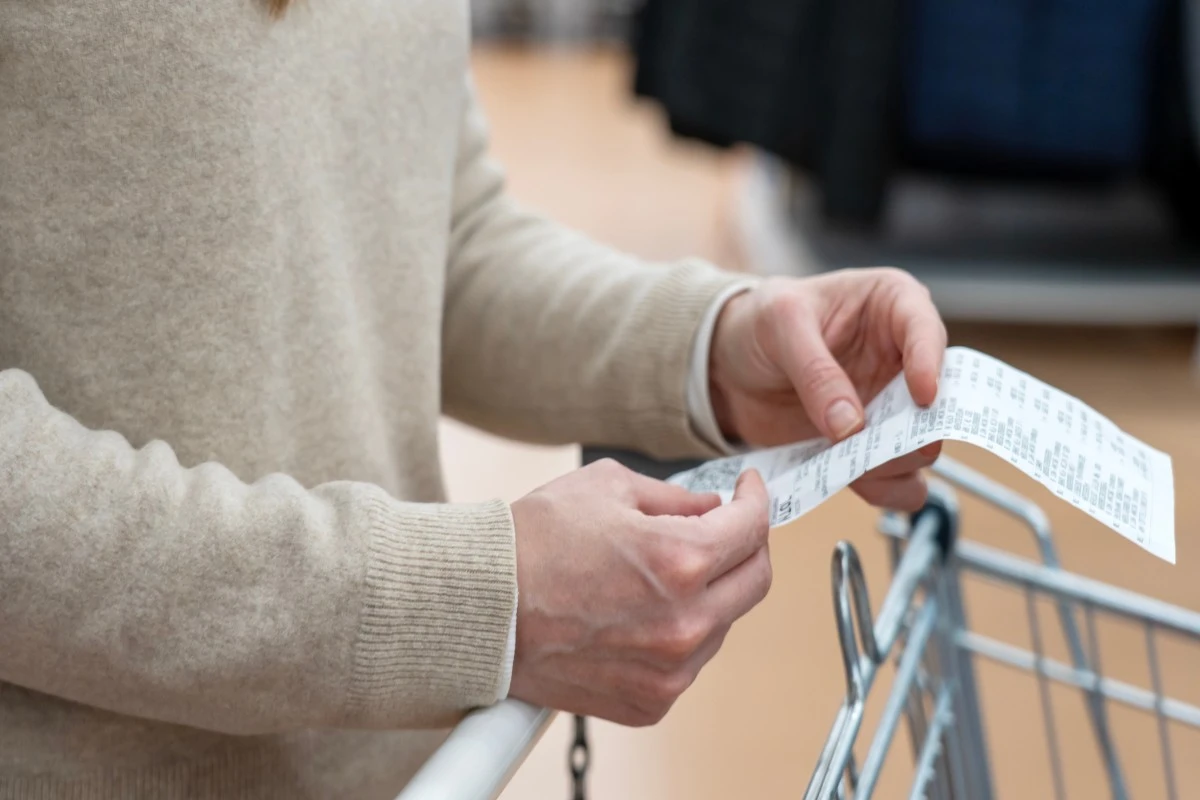 According to the study, shoppers are more likely to buy on impulse without a shopping plan.
Older consumers make fewer unplanned purchases
Age also influenced purchasing behavior, with older consumers less likely to make impulse purchases than younger shoppers.
Participants aged 55 and over reported the highest levels of hunger but made the fewest unplanned purchases. The contrast suggests that appetite alone does not determine purchasing decisions, with factors such as established shopping habits and self-regulation potentially playing a role.
The researchers also identified an interaction between age and hunger. Hunger was associated with unplanned purchasing among younger shoppers, but this relationship did not appear in the same way among older participants.
The findings indicate that consumer age and shopping context should be considered alongside hunger when examining what drives unplanned purchases. However, the study does not establish precisely why older shoppers were less likely to buy products they had not intended to purchase.
Implications for grocery retailers
For food and beverage retailers, the findings offer a fresh perspective on the factors influencing consumer purchasing decisions.
The strong association between shopping purpose, and unplanned buying suggests that understanding different shopping missions could be valuable when assessing basket composition.
Consumers completing a routine shop may approach purchasing decisions differently from those browsing without a clear objective.
The results also point to differences between product categories. Although hunger was not a clear predictor of impulse buying across the entire basket, its association with sweets and snacks suggests that the influence of appetite may vary depending on the products being considered.
Retailers could use these findings as a starting point for examining how shopping missions, consumer demographics, and product categories interact. Further research would be needed to establish whether particular merchandising approaches or promotional strategies can influence these patterns.
The study also offers a more nuanced view of the relationship between hunger and shopping behavior ahead of World Food Day on October 16. Rather than supporting a blanket warning against shopping while hungry, the findings suggest that having a clear purchasing goal may be more relevant to limiting unplanned buying.
The research is based on real supermarket receipts, providing insight into purchasing behavior beyond self-reported intentions alone. Nevertheless, its findings identify relationships between shopper characteristics and purchases rather than proving that changing shopping habits will necessarily reduce impulse buying.
The full study, Don’t shop hungry? A receipt-based field study of hunger, shopping purpose, and unplanned purchasing is available through the BUas Research Portal.



Upcoming webinars

2027 Food Safety Risks for Quality & Compliance Leaders
FoodChain ID

Formulating for function: Developing benefit-led beverages with natural colours, botanicals, and flavours
Givaudan Sense Colour

Let's reveal the grain potential: Innovate
Meurens Natural