

Corbion: AI reshapes food formulation amid clean label and safety pressures

Key takeaways
- Corbion says AI, clean label, and food safety are key forces reshaping food formulation across meat, confectionery, and alternative proteins.
- AI is accelerating NPD through predictive microbiology, shelf life modeling, and more targeted formulation decisions.
- Stricter EU Listeria rules and clean label demand are pushing manufacturers toward fermentation-based and naturally derived preservation strategies.

European food manufacturers are under growing pressure to reformulate, manage costs, and maintain product performance. Consumers, meanwhile, increasingly expect healthier, more transparent products that also deliver on taste, convenience, and affordability, according to Corbion.
In its annual analysis, the Dutch multinational company identified these trends through its market intelligence, customer insights, consumer trends, and industry expertise.
It identifies five forces reshaping the future of food in Europe: AI-driven innovation, meaningful indulgence, clean label meat, alternative protein maturity, and stricter food safety requirements.
The ingredient supplier’s analysis comes as new European regulations applying from July 1, 2026, are increasing expectations around Listeria control. This is leading to a greater emphasis on product safety “throughout the entire shelf life of ready-to-eat foods, rather than compliance at a single point in time,” Corbion notes.

Such consumer and regulation-driven pressures are incentivizing manufacturers to rethink formulations, preservation strategies, and shelf life management. They must also balance consumer demands around convenience, freshness, and taste.
Food Ingredients First sits down with Linda Tomaselli, senior manager, Marketing at Corbion, to explore how advancements in AI, predictive microbiology, and fermentation are impacting formulation strategies, and what these shifts mean for confectionery, meat, and alternative protein innovation.
How can AI help food manufacturers speed up formulation and innovation?
Tomaselli: AI is quickly becoming one of the most powerful tools available to food manufacturers, not because it replaces food scientists, but because it helps them innovate faster and make better-informed decisions.
Traditionally, product development has relied on extensive trial-and-error. Today, AI can help identify emerging consumer preferences, predict successful flavor combinations, optimize formulations, and even estimate market acceptance before a product reaches the lab. AI is also increasingly helping manufacturers improve food safety, quality control, and shelf life management. Advanced predictive models can analyze large datasets, identify potential risks earlier, and help manufacturers make faster, more informed decisions around formulation and preservation.
One particularly promising application is predictive microbiology. At Corbion, AI has been incorporated into Listeria control modeling to help food manufacturers better understand contamination risks and evaluate preservation strategies under different conditions. By combining microbiological expertise with data-driven modeling, manufacturers can more confidently design products that meet both food safety requirements and shelf life expectations. Rather than replacing scientific expertise, AI acts as a decision-support tool.
 Linda Tomaselli: The next generation of ingredient innovation must address more than protein delivery alone.
How can confectionery manufacturers deliver stronger sensory experiences while meeting clean label expectations?
Tomaselli: Consumers are looking for confectionery that delivers more than sweetness. They want products that create memorable sensory experiences through bold flavors, layered sourness, exciting textures, and enjoyable eating moments. According to Innova Market Insights, 57% of consumers globally say they are looking for interesting texture combinations in indulgent food and drink experiences, while sugar confectionery launches featuring multiple textures grew by 16% CAGR between 2020 and 2025.
At the same time, sour confectionery continues to be a key driver of innovation. Recent Innova data shows that 48% of all new launches with a sour flavor profile are gummies, demonstrating consumers’ ongoing appetite for bold, sensory-forward experiences. To meet these expectations, manufacturers need ingredients that deliver both sensory performance and label simplicity. Solutions based on familiar ingredients such as lactic acid or combinations of acids can help create authentic sour taste profiles while supporting cleaner, more recognizable ingredient declarations.
Corbion’s portfolio of liquid and powdered acidulants enables manufacturers to build layered sourness, improve flavor release, and maintain texture stability throughout shelf life. This is particularly important as consumers expect gummies and candies to remain chewy, non-sticky, and visually appealing from production through consumption.
How can meat manufacturers simplify labels without compromising safety, shelf life, or eating quality?
Tomaselli: That is one of the biggest challenges facing the meat industry today. Consumers increasingly want shorter ingredient lists and ingredients they recognize and trust. Yet they are not willing to compromise on safety, freshness, shelf life, or eating quality. This is driving significant innovation in natural preservation. Rather than simply removing traditional preservatives, manufacturers are adopting smarter preservation systems that combine fermentation-based ingredients, cultured ingredients, vinegars, organic acids, and other naturally derived solutions.
The reality is that preservation ingredients often perform multiple functions, from controlling pathogens to maintaining color, freshness, and flavor. As a result, successful reformulation requires a holistic approach rather than a simple ingredient replacement.
 Corbion expects texture combinations, layered flavors, and sensory contrasts to become key confectionery differentiators this year and beyond.
Which formulation challenges remain the biggest barriers to wider consumer acceptance of alternative proteins?
Tomaselli: Despite growing interest in sustainable protein sources, taste and texture remain the biggest barriers to wider consumer adoption of alternative proteins. At the same time, alternative proteins face increasing scrutiny around processing and ingredient lists. According to GlobalData research of 2024, 46% of consumers prefer products with as few ingredients as possible, making formulation simplicity an increasingly important factor in purchase decisions.
The next generation of ingredient innovation, therefore, needs to address more than protein delivery alone. Manufacturers need solutions that improve texture, enhance flavor, and simplify formulations simultaneously.
Texture innovation is equally important. Consumers expect plant-based products to deliver the same juiciness, bite, and sensory satisfaction as conventional meat. This requires new approaches to protein functionality, moisture management, and structure development.
We believe that fermentation-derived ingredients can help build savory, rounded flavor profiles and reduce the need for complex masking systems, while acidification and preservation technologies can support shelf life and food safety using naturally derived ingredients.
How are the new EU Listeria rules affecting formulation, preservation, and shelf life decisions for ready-to-eat meat manufacturers?
Tomaselli: The updated EU Listeria requirements are raising the bar for ready-to-eat food manufacturers and accelerating the industry’s shift toward more robust preservation strategies. Manufacturers must now demonstrate with greater confidence that products remain safe throughout their intended shelf life. That places increased emphasis on formulation, validation, and microbiological control from the earliest stages of product development.
At the same time, many companies are trying to reduce synthetic additives to meet consumers’ expectations. Balancing those two objectives is becoming increasingly challenging. As a result, we are seeing growing interest in multi-hurdle preservation approaches that combine fermentation-based ingredients, organic acids, cultured ingredients, and other complementary technologies to manage microbial risk while supporting more naturally derived formulations.
Compliance is the driver, but the conversation goes beyond that — food safety, shelf life, and clean labels are becoming deeply interconnected. Companies that can successfully address all three areas at once will have a significant competitive advantage.
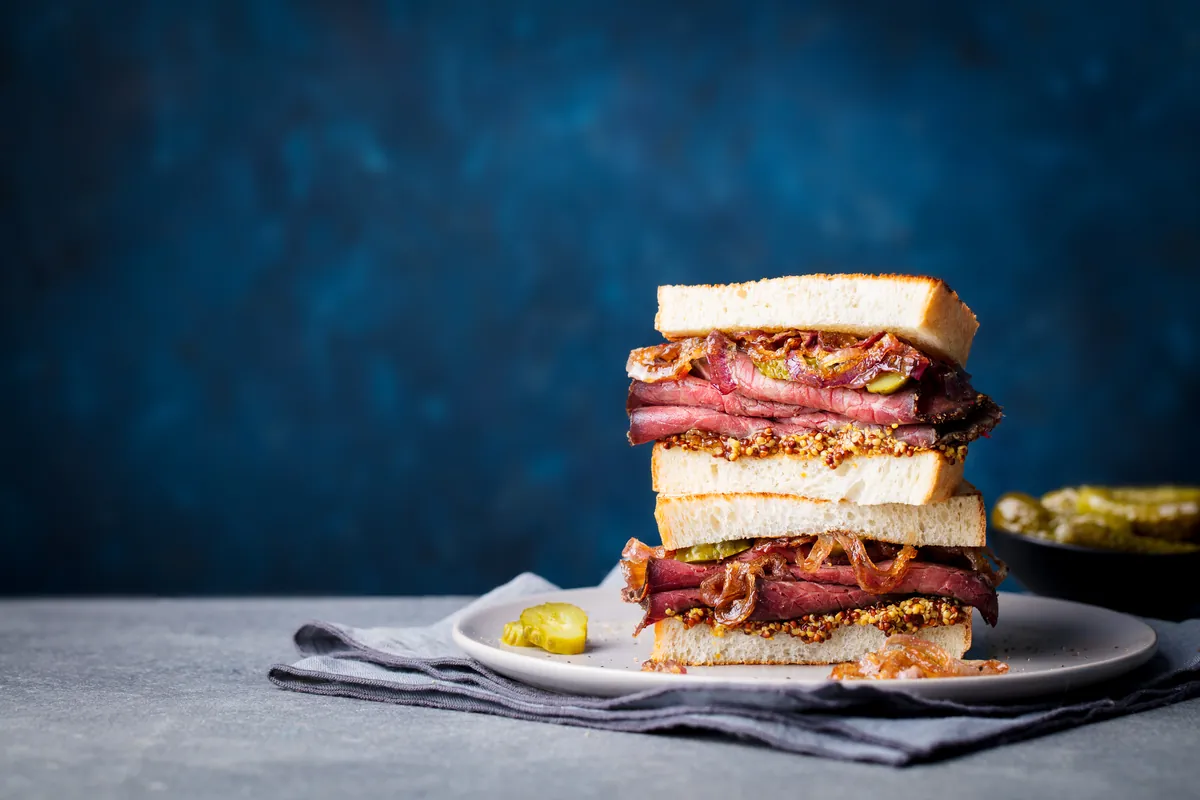 Clean label demand is pushing meat manufacturers to simplify formulations and invest in alternative preservation without sacrificing performance.
How are tougher food safety rules changing preservation and shelf-life strategies?
Tomaselli: Food safety is no longer something manufacturers think about at the end of product development. Increasingly, it’s shaping decisions from the very beginning. As regulations become more stringent, food manufacturers are moving away from traditional trial-and-error approaches and adopting more predictive ways of working, with, for example, the embedding of AI-driven predictive tools for food safety.
We’re also seeing closer collaboration across the value chain. Retailers are becoming more involved in conversations around shelf life, food waste, clean labels, and product quality because they have their own sustainability commitments and consumer expectations to meet. As a result, manufacturers need preservation solutions that not only satisfy regulators but also deliver the shelf life, freshness, and eating quality retailers expect.
Which of these forces could most fundamentally reshape how food is formulated and brought to market in Europe?
Tomaselli: Of the five forces that we recognize for the near future, AI has the potential to reshape the industry most fundamentally because it can influence every stage of the journey, from understanding consumer needs and designing formulations to controlling food safety and deciding how products are launched.
Over the past five years, clean label and transparency have probably had the greatest visible impact on formulation in Europe. They have pushed manufacturers to simplify ingredient lists while maintaining taste, texture, safety, affordability, and shelf life. That is not going away — it is becoming a basic expectation. What makes AI different is its ability to help manufacturers address all those requirements together.
Clean label is likely to remain the strongest consumer and formulation expectation, but AI could become the engine that helps manufacturers deliver against it. The real transformation will come when food science, predictive modeling, consumer insight, and retailer input are integrated into one development process. That could make innovation faster and more targeted, while improving confidence around performance, safety, and commercial relevance.


Upcoming webinars

2027 Food Safety Risks for Quality & Compliance Leaders
FoodChain ID

Formulating for function: Developing benefit-led beverages with natural colours, botanicals, and flavours
Givaudan Sense Colour
Let's reveal the grain potential: Innovate
Meurens Natural