


GFI Europe: Rising UK meat costs drive plant-based adoption amid calls for sector investment


Key takeaways
- Rising global meat prices are driving UK consumers toward more affordable plant-based alternatives.
- GFI Europe analysis shows plant-based mince and meatballs at Tesco are on average 33% cheaper than conventional meat.
- The price gap highlights the potential of plant-based options to help households manage grocery bills while providing nutritious alternatives.
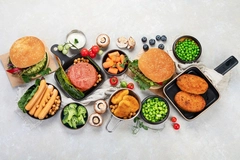
Consumers are increasingly impacted by rising meat costs as global food prices continue to climb, highlighting the growing appeal of more affordable alternatives. An analysis by the Good Food Institute Europe (GFI Europe) shows that plant-based mince and meatballs are now, on average, 33% cheaper than their conventional meat counterparts at Tesco, the UK’s largest supermarket.
This widening price gap underscores the value of cost-effective plant-based options and their potential to offer nutrition while helping households manage grocery bills amid surging meat prices.
For the analysis, the non-profit and think tank compared plant‑based and conventional meat prices at the British retailer from January to March 2026. The price comparison involved 33 products, including mince, burgers, and meatballs.

Impact of Middle East conflicts
The findings report that plant-based mince is on average 13% cheaper than beef mince, while plant-based meatballs are 41% cheaper than beef, lamb, and pork meatballs sold at Tesco. Plant-based mince is almost a third (29%) less expensive than the price of minced beef and lamb, and pork and beef burgers cost 9% lower than plant-based options.
Such price differences can also potentially impact consumer behavior, as studies show consumers might shift purchases depending on the relative pricing of meat versus plant‑based options.
For instance, economic pressures due to last year’s drought and the ongoing geopolitical tensions in the Middle East encourage consumers to reconsider their protein choices, indicating a potential shift toward plant-based diets in the UK.
Food Ingredients First speaks with Linus Pardoe, senior UK program manager at GFI Europe, about how rising meat prices and global disruptions like the Middle East conflict are influencing UK consumers to shift toward plant-based alternatives.
 Linus Pardoe: Swapping some red meat for plant-based options could help households reduce shopping bills while still getting fiber and protein.“As the Middle East crisis begins to affect household budgets, swapping some red meat for a plant-based option is likely to help keep shopping bills down, while also providing a good source of fiber and protein,” says Pardoe.
While price is a major factor in people’s food choices, Pardoe emphasizes that research shows other considerations — such as convenience, taste, and perceptions of healthiness — also play an important role.
This aligns with Innova Market Insights’ research indicating that many consumers perceive plant‑based meat substitutes as healthier than conventional meat. Over 40% of Millennial and Generation Z survey respondents describe themselves as moderate or heavy users of plant-based meat alternatives, says the market researcher.
Pardoe further points toward the impact of geopolitical shocks on farmgate and retail.
“Chicken prices in the UK rose 8% last year, and the poultry industry says prices are likely to increase further as the cost of fertilizer, feed, and heating chicken sheds ramps up. Over time, that will make plant-based meat products more price competitive, offering a nutritious and more affordable choice for shoppers,” he says.
Plant-based foods also require fewer inputs than conventional meat, meaning they are “less exposed to the supply chain vulnerabilities that have driven up meat prices over the last year.”
Meat inflation spurs consumer behavior changes
Consumers are increasingly spending more on meat purchases. Data from the Agriculture and Horticulture Development Board (AHDB) depicts a 14.7% average price increase in total beef retail spend over the 12 weeks to mid‑April 2026 compared with last year. Lamb prices have risen moderately (8.3%), while pork prices have increased slightly (1.3%).
The prices for beef and lamb are now substantially higher than pork and poultry meat prices, pointing toward a challenging outlook for UK farming, according to the Andersons Centre. UK agricultural inflation currently sits at 7.6%, while farmgate prices are down 6.5%.
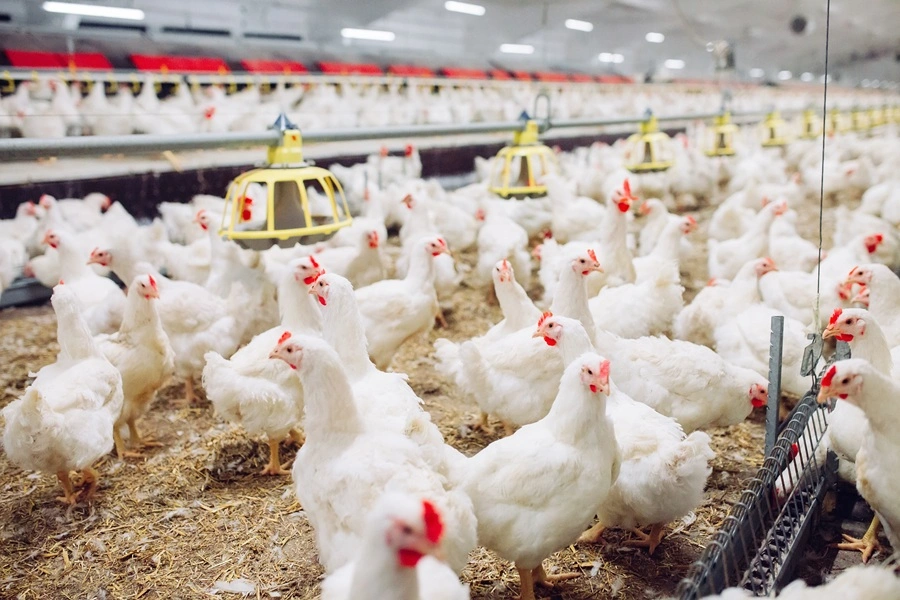 Rising costs for fertilizer, feed, and heating may push poultry prices up, making plant-based meats more competitive.Pardoe says long-term meat inflation is being driven by structural pressures, including supply chain instability, rising animal feed and fertilizer costs, and extreme weather — “such as last year’s UK drought reducing grass growth and requiring farmers to feed their animals with more cereals,” says Pardoe.
The Middle East conflict is also destabilizing fertilizer and fuel supply chains, which he says “directly raises input costs for livestock producers and adds to existing pressures.”
Meanwhile, consumers are dealing with higher beef prices by switching from beef mince to cheaper proteins, primarily chicken (whole bird, breast, wings, legs, and thighs), says AHDB. Others have moved from beef mince to other types of mince, with pork mince volumes growing 31.6% year-on-year, and chicken mince volumes growing 59.6%.
Some shoppers are also buying larger packs that offer better perceived value for money, such as 750g packs of 15–19% fat content beef mince, which have seen volumes grow 46.6% year-on-year, according to Worldpanel by Numerator UK data for the 52 weeks ending March 22, 2026.
Calls for government focus on plant-based foods
A wider adoption of plant-based foods can help consumers offset rising meat costs, which GFI Europe supports through its call for plant-based foods to be embedded in the UK government’s forthcoming food strategy action plan.
“This includes developing the plant protein infrastructure needed to build strong supply chains, boosting the UK’s food resilience and creating opportunities for farmers to diversify their incomes by growing the crops used to make these foods,” says Pardoe.
The organization also recommends investing £150 million (US$201.4 million) in research, innovation, and infrastructure for alternative proteins between 2026 and 2030 to support the UK Government’s Good Food Cycle food strategy framework. The initiative aims to transform the nation’s food system to be healthier, more affordable, sustainable, resilient, and fairer.
It also suggests identifying and addressing gaps in plant protein infrastructure and including fortified plant-based meat and mycoprotein in the Eatwell Guide.
Protein diversification for enhanced food stability
As meat supply chains face mounting volatility, Pardoe stresses the need for diversification of protein supply to boost the resilience of food supply chains in the face of global conflict, trade disruption, and extreme weather events.
Exploring multiple protein sources is crucial for addressing the individual and societal costs of dietary ill-health and reaching climate and nature targets, according to GFI Europe. Last year, EU agriculture ministers came together to discuss various national protein diversification initiatives to help scale plant-based food production amid rising demands.
“Alternative proteins, such as plant-based meat, can offer people convenient options that are easy to incorporate into their routines, alongside other approaches to help reduce the overconsumption of processed meat and transition towards healthier diets,” he concludes.



Upcoming webinars

Oat-Standing Ingredients - Showcasing Irish Grain Through Innovation
Tirlán Ingredients

2027 Food Safety Risks for Quality & Compliance Leaders
FoodChain ID

Formulating for function: Developing benefit-led beverages with natural colours, botanicals, and flavours
Givaudan Sense Colour