



German court finds Mondelēz misled consumers with Milka “shrinkflation”


Key takeaways
- A German court has found that Mondelez misled shoppers by selling Milka chocolate bars with reduced weight while keeping the packaging largely unchanged.
- The decision is not yet legally binding, with Mondelez having a month to appeal.
- The ruling highlights “shrinkflation” concerns and strengthens consumer rights under German law.
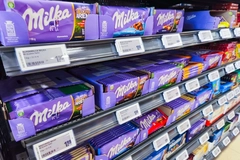
A German court has ruled that Mondelēz misled consumers by cutting the weight of Milka chocolate bars without clearly indicating the change on packaging. The ruling emphasizes the importance of clarity in “shrinkflation,” where products that look the same may contain less or cost more — risking consumer confusion.
The decision is not legally binding yet, and Mondelēz has a month to file an appeal. The court has not ordered any product recalls, but stated that clearer packaging notices should be used at least for a transition period.
German media reports say the Regional Court of Bremen ruled that the packaging of the smaller bars was “irreführend” (misleading) and violated competition law because the reduced content was not clearly signaled.
Simply updating the tiny weight number on the wrapper was not enough to prevent shoppers from thinking they were still buying the familiar 100 gram product, the court ruled.
The ruling and Mondelēz’s response
The court said that Milka bars with lowered content should not be marketed in their current form without a clearly visible and understandable notice informing consumers of the change, at least for a transition period after the switch.
Some reports suggest the ruling could be interpreted to mean that if a 100 gram version was on sale in the prior four months, the 90 gram variant cannot be sold under nearly identical packaging without extra disclosure.
 Shrinkflation can make it harder for consumers to notice they’re getting less product for the same price.“The recent court ruling concerns Germany only. We take note of the court ruling and take it seriously; we will now examine the court’s reasoning in detail,” a Mondelēz spokesperson tells Food Ingredients First.
“Our aim has always been, and remains, to communicate transparently, comprehensively, and responsibly with everyone who buys and enjoys our products. The trust of our consumers in our brand and our products is our greatest priority.”
The Oreo and Milka owner said it had adjusted the weight of some of its Milka bars last year to continue providing consumers with the expected quality standard in an environment that is “more complex and unstable than ever before.”
Mondelēz was impacted by rising cocoa prices last year, with lowered gross profit margins due to higher cocoa and transportation costs.
Consumer watchdog reacts
The Hamburg Consumer Center — which sued Mondelēz in September 2025 because the company reduced Milka bars from 100 grams to 90 grams while keeping the packaging largely unchanged — has welcomed the ruling.
“Many people buy Milka chocolate bars and don’t realize they’re only getting 90 grams of chocolate for their money instead of 100 grams,” says Armin Valet, who leads the department for food and nutrition at the consumer watchdog.
“We are therefore pleased with the ruling of the Bremen Regional Court. It strengthens the rights of consumers in cases of hidden price increases.”
Consumer advocates in Hamburg underscore that the ruling sends a clear message — manufacturers must not mislead consumers by claiming that the contents of packages are shrinking.
“Now it’s up to the legislature to finally create further binding regulations against deceptive packaging,” says Valet.



Upcoming webinars

Oat-Standing Ingredients - Showcasing Irish Grain Through Innovation
Tirlán Ingredients

2027 Food Safety Risks for Quality & Compliance Leaders
FoodChain ID

Formulating for function: Developing benefit-led beverages with natural colours, botanicals, and flavours
Givaudan Sense Colour