

Strait of Hormuz crisis exposes fertilizer supply risks and food security pressures


Key takeaways
- Continued disruption in the Strait of Hormuz is impacting global fertilizer trade, with Yara International warning of supply squeezes affecting key inputs like urea and ammonia.
- An increase in fertilizer costs is pushing farmers to reduce usage, potentially impacting crop yields and food production.
- The Food and Agriculture Organization (FAO) warns that prolonged disruption could escalate into a global food security crisis.
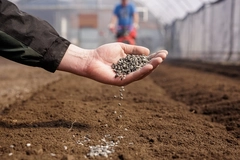
Rising geopolitical tensions in the Middle East have started rippling through global food systems, with fertilizer supply emerging as a critical vulnerability. Global fertilizer producer Yara International’s CEO Svein Tore Holsether has warned that conflict linked to Iran could constrain fertilizer availability, with knock-on effects for agricultural output and food supply.
Modern food systems are structurally dependent on fertilizers for feeding billions of consumers, with nearly 1.07 billion relying on food produced from imported nitrogen fertilizers, says the UN Food and Agriculture Organization (FAO).
Yara describes the Strait of Hormuz blockade as a “critical chokepoint” for global trade, through which 34% of globally traded urea and 23% of traded ammonia pass. The route’s disruption has affected major fertilizer supplies, impacting around one-third of global traded urea, as well as natural gas, ammonia, phosphates, and sulfur, the Norway-based firm states in its first-quarter report.
“Developments in the Middle East put significant pressure on the global food system, with knock-on effects across the value chain and growing challenges for farmer affordability,” says Holsether.
“This volatility highlights how fragile the food system is, and why resilient fertilizer supply chains and a strong farming community are essential.”
Fertilizer crisis threatens food security
Holsether told BBC News that reduced fertilizer availability could translate into major losses in global food output, estimating that “up to ten billion meals… will not be produced every week.” Not applying nitrogen fertilizer would mean a 50% reduction in crop yields for some crops in the first season, he added.
Fertilizer disruptions linked to the Strait of Hormuz crisis are also raising concerns about a potential food security crisis, while already increasing raw material costs for staple crops that depend heavily on fertilizer inputs.
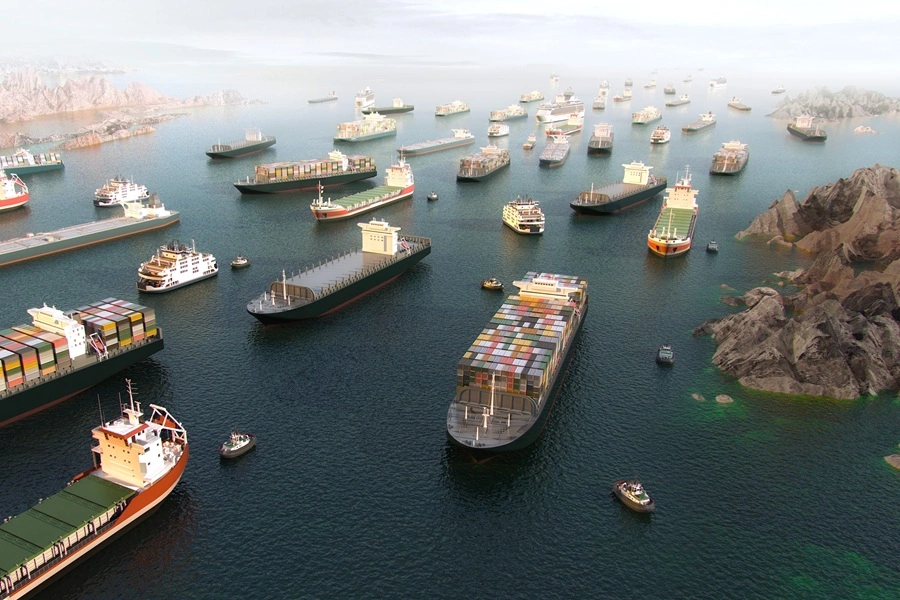 Around 34% of global urea trade and 23% of ammonia trade passes through the Strait of Hormuz.
“When trade flows are disrupted, prices rise, affordability tightens, and volatility increases, particularly for those countries that rely on imports to continue providing nutritious, affordable meals,” Lauren Bresnahan, Cargill’s chief economist, recently told Food Ingredients First.
Rising fertilizer costs are already influencing farming behavior. As Reuters reports, higher prices are forcing farmers to “rethink fertilizer application,” as higher input costs squeeze already-thin margins.
Yara’s Q1 2026 investor presentation shows that fertilizer prices have risen sharply, with calcium ammonium nitrate up 18% and compound fertilizers around 10% compared to Q1 2025 prices.
Since the conflict escalated in February, it has disrupted fertilizer supplies, with over a million metric tons of fertilizer cargo physically stranded in the Gulf. This was followed by Iran charging US$2 million to transport vessels through the Strait of Hormuz under a formalized vetting regime.
Calls for coordinated global response
Yara expects further cost pressures ahead, forecasting an additional US$150 million increase in gas costs in the second quarter, pointing toward higher fertilizer prices.
Meanwhile, the FAO warns that a prolonged blockage affecting shipments through the Strait of Hormuz could escalate into a “global agri-food catastrophe,” highlighting the scale of risk to global food production systems. Overlapping shocks from the crisis could also escalate food price inflation and worsen hunger concerns.
FAO director-general Qu Dongyu emphasizes that the closure of key maritime routes is sending shockwaves through global agri-food systems, with immediate impacts on the fertilizer market.
“A coordinated policy response is urgently needed,” Dongyu says. Immediate measures over the next 90 days could include: developing alternative trade routes; enhancing market monitoring; avoiding export restrictions on energy and fertilizers; and providing financial support for farmers, he adds.
The FAO is responding to the food and fertilizer supply crisis through real-time surveillance of shipping movements, collaborating with Gulf Cooperation Council countries to prevent simultaneous panic buying, and conducting alternative routing analysis for perishable goods. For fertilizers, the organization is prioritizing shipments to low-income and landlocked developing countries.
“We have the technical expertise; what we need now are the resources to act — in line with our mandate — before this closure has a catastrophic impact on our agri-food systems and on food security globally,” says Dongyu.