


UK growers tap broccoli biomass for upcycled protein and fiber ingredients


Key takeaways
- Growers can generate additional income by commercializing broccoli sidestreams that would otherwise have no market value.
- Automated harvesting helps reduce labor requirements, lower harvest costs, and ease operational pressures for growers.
- The technology is designed to expand beyond broccoli, with potential applications in crops such as cabbage and lettuce.
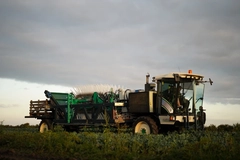
A new partnership between food technology company Upcycled Plant Power (UPP) and East of Scotland Growers (ESG) aims to help UK vegetable growers cut harvesting costs, reduce waste, and create new revenue streams by transforming broccoli crop residues into high-value food ingredients.
The five-year agreement will see ESG deploy UPP’s automated selective harvesting technology across its farms. The technology allows growers to recover broccoli biomass that would previously have been left in the field.
That material will then be processed into plant-based protein and fiber ingredients for food manufacturers, supporting the growing demand for sustainable, low-impact food products.
Addressing farm economics
The collaboration comes at a time when UK growers are under increasing pressure from labor shortages, rising production costs, and tighter sustainability targets.
As farms look for ways to improve margins without increasing acreage, technologies that extract greater value from existing crops are becoming an increasingly important part of the agricultural toolkit.
For decades, broccoli production has focused almost exclusively on harvesting the edible head destined for supermarket shelves. However, the remaining stems and leaves contain valuable nutrients and represent a significant, largely untapped resource.
By recovering and processing this biomass, UPP believes growers can generate additional income while contributing to a more circular food system.
The partnership combines UPP’s harvesting and ingredient-processing technology with ESG’s scale as one of Europe’s leading brassica grower cooperatives. Together, the organizations hope to demonstrate that automation and upcycling can strengthen both farm economics and food supply chains.
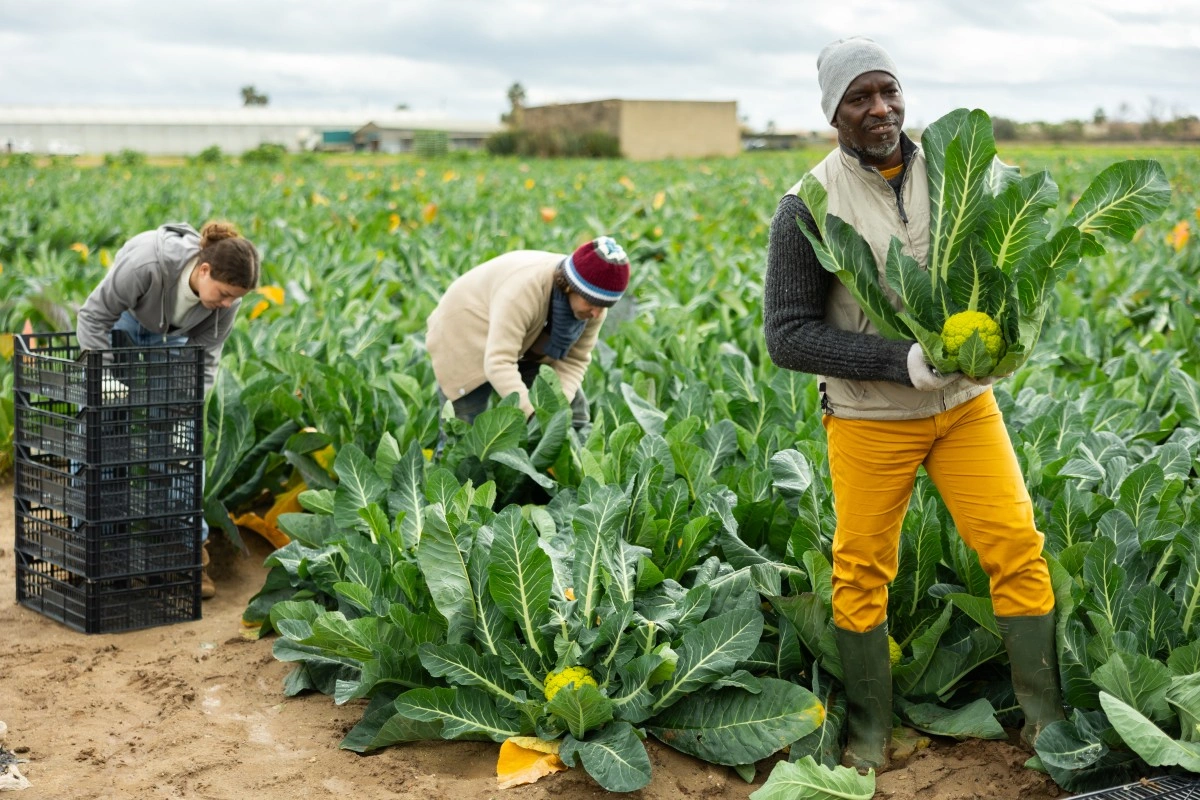 A major challenge for vegetable growers has been finding enough seasonal workers. Labor shortages can delay harvests, increase crop losses, and raise production costs.
Mitigating labor shortages
One of the biggest challenges facing vegetable growers in recent years has been securing sufficient seasonal labor. Labor shortages can delay harvesting, increase crop losses, and drive up production costs, placing pressure on already tight margins.
Automated harvesting systems offer one potential solution by reducing dependence on casual labor while improving harvesting efficiency.
Alongside lower harvesting costs, growers stand to benefit from an entirely new revenue stream. Instead of treating broccoli sidestreams as waste, the material can be sold for processing into food-grade ingredients, creating value from crops that have already been grown without requiring additional land, fertilizer, or water.
The approach also aligns with the wider move toward a circular food economy. Across agriculture, increasing attention is being paid to making full use of crops, reducing waste, and extracting greater nutritional value from materials that have traditionally been overlooked.
Harvested sidestream material will be supplied to UPP as a consistent feedstock, allowing both organizations to unlock value from biomass that would otherwise go to waste. This not only improves resource efficiency, but can also help lower greenhouse gas emissions across food supply chains.
Mark Evans, CEO of UPP, sees the partnership as a win for farmers, consumers, and the planet: “This partnership exemplifies a shared vision: empowering growers, reducing waste, and creating nutritious, planet-positive food solutions,” he says.
“By combining ESG’s agricultural scale and expertise with UPP’s proprietary processing and ingredient technology, we are turning materials with little to no commercial value into nutritious proteins and fibers for food makers and retailers.”
For retailers and food manufacturers, reducing scope 3 emissions has become an important part of sustainability strategies, making partnerships that improve resource use increasingly valuable.
The rise of upcycled ingredients
Turning agricultural sidestreams into ingredients rather than allowing them to go unused represents one practical way of reducing the environmental footprint of food production.
This ties in with upcycling ingredients trends, which have been gathering pace in recent months.
Researchers have demonstrated how Chardonnay grape marc (the skins, seeds, and stems left over from winemaking) can be upcycled into fiber-rich functional ingredients with favorable sensory properties for F&B applications.
Meanwhile, Finnish food company Raisio has launched a major program to convert grain processing sidestreams into functional fiber ingredients for gut health and sustainable nutrition.
Scientists have also shown that discarded marigold flowers could provide a novel source of plant-based protein with applications ranging from dairy alternatives to bakery products.
Together, these developments highlight how upcycling is moving beyond niche sustainability projects and becoming an increasingly important strategy for ingredient manufacturers seeking to reduce waste, improve resource efficiency, and create new commercial opportunities from existing agricultural biomass.
Broccoli biomass commercial opportunities
UPP expects the partnership to provide a reliable, large-scale supply of broccoli biomass as it expands production following its recent £3.5 million (US$4.6 million) funding round.
Over the course of the agreement, the company expects the value generated from commercializing broccoli sidestreams to exceed £10 million (US$13.2 million) for both UPP and participating growers. Farmers are also expected to reduce harvesting costs by more than 30%.
Although broccoli is the initial focus, the technology has wider ambitions. UPP plans to adapt its harvesting system for crops, including cabbage and lettuce, suggesting the model could eventually benefit a broader range of vegetable producers.
As pressure grows to produce more food with fewer resources, innovations that combine automation, waste reduction, and new commercial opportunities are likely to play an increasingly important role.
If successful, the UPP-ESG partnership could provide a blueprint for how growers can improve resilience, while contributing to a more sustainable and circular food system.



Upcoming webinars
Oat-Standing Ingredients - Showcasing Irish Grain Through Innovation
Tirlán Ingredients

2027 Food Safety Risks for Quality & Compliance Leaders
FoodChain ID

Formulating for function: Developing benefit-led beverages with natural colours, botanicals, and flavours
Givaudan Sense Colour