


Upcycled Chardonnay marc tackles functional F&B taste challenges

Key takeaways
- US researchers find that upcycled Chardonnay grape marc has a balanced taste profile with low bitterness for functional F&B applications.
- The ingredient could help manufacturers reduce the need for taste-masking additives when formulating products with fiber, polyphenols, and botanical ingredients.
- Beyond sensory benefits, Chardonnay grape marc supports clean label and sustainability goals by upcycling left over fruit parts from winemaking into a functional prebiotic ingredient.
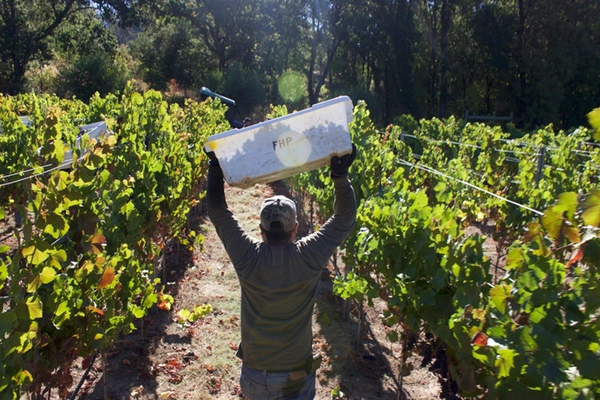
Chardonnay grape marc, a whole-fruit upcycled ingredient, could open new opportunities in functional F&B, according to a sensory study by US researchers. The ingredient — with mild natural sweetness and notably low bitterness — may help manufacturers create more palatable products for consumers, while reducing the need for flavor masking.
Chardonnay grape marc consists of the skins, seeds, and solids left after grapes are pressed for winemaking. Rather than being discarded, the material is upcycled into a whole-fruit ingredient containing fiber, polyphenols, organic acids, and other plant compounds.
Scientists at the University of Tennessee in Knoxville investigated the taste chemistry of the upcycled wine byproduct used in US-based Sonomaceuticals’ WellVine ingredient to determine which compounds contribute to its flavor and mouthfeel characteristics.

The findings revealed that fructose and glucose were the main compounds responsible for sweetness, while tartaric, glucuronic, gluconic, and malic acids contributed to the ingredient’s sour taste.
Scott Forsberg, COO of WellVine and Sonomaceuticals, tells Food Ingredients First that the study provides formulators with insight into the molecular taste profile of WellVine.
“Researchers identified 39 taste-active compounds within Chardonnay marc, yet found that only a smaller subset meaningfully drove the overall taste profile. That distinction matters enormously in formulation — it means the ingredient’s gentle taste behavior is not accidental, it is structurally embedded in the whole-fruit matrix.”
The study’s results give product developers a “starting-point advantage,” he emphasizes.
“Rather than selecting a functional fiber or polyphenol-rich ingredient and then building a correction system around it — additional sweeteners, flavor masking agents, and bitterness blockers — formulators working with WellVine can often achieve a cleaner flavor outcome from the first iteration.”
Overcoming fiber taste barriers
The research, published in the Journal of Agricultural and Food Chemistry, highlights a taste profile characterized by mild natural sweetness, bright acidity, smooth astringency, and very low bitterness.
 Scott Forsberg: WellVine can help formulators achieve a cleaner flavor without extra sweeteners, masking agents, or bitterness blockers.According to Innova Market Insights, nearly 40% of global consumers say rich flavor and taste elevate their F&B experience. Chardonnay grape marc’s balanced profile therefore positions it well for manufacturers aiming to pair health benefits with consumer appeal.
“For formulators, this maps well onto the formulation targets for functional beverages, wellness powders, fiber-forward snacks, and clean label platforms,” Forsberg notes.
He further describes taste as the “most decisive factor” in repeat purchase — making WellVine’s sensory profile especially relevant. Compared with common functional fibers, it offers a smoother taste experience. Inulin and chicory-derived FOS, for example, can introduce off-notes and digestive discomfort signals at higher inclusion levels.
Meanwhile, plant-based fibers’ “drying or chalky” mouthfeel and green tea extracts’ bitter polyphenols often require significant masking for consumer acceptability.
“WellVine’s taste profile is meaningfully different. While the researchers identified phenolic compounds that in isolation would be expected to taste bitter or astringent, they did not reach a taste threshold to be perceived as such,” Forsberg adds.
Inside the “matrix effect” in foods
A significant finding the scientists highlight is that the sensory experience of Chardonnay grape marc is influenced less by individual compounds and more by the interaction of compounds within the whole-food matrix.
Forsberg tells us the study directly addresses the question of why this happens, at the molecular level, through the “matrix effect.”
“In a whole-food system, fibers, polyphenols, organic acids, and other plant compounds co-exist in a physical and biochemical structure that shapes how they are released, perceived, and ultimately metabolized.”
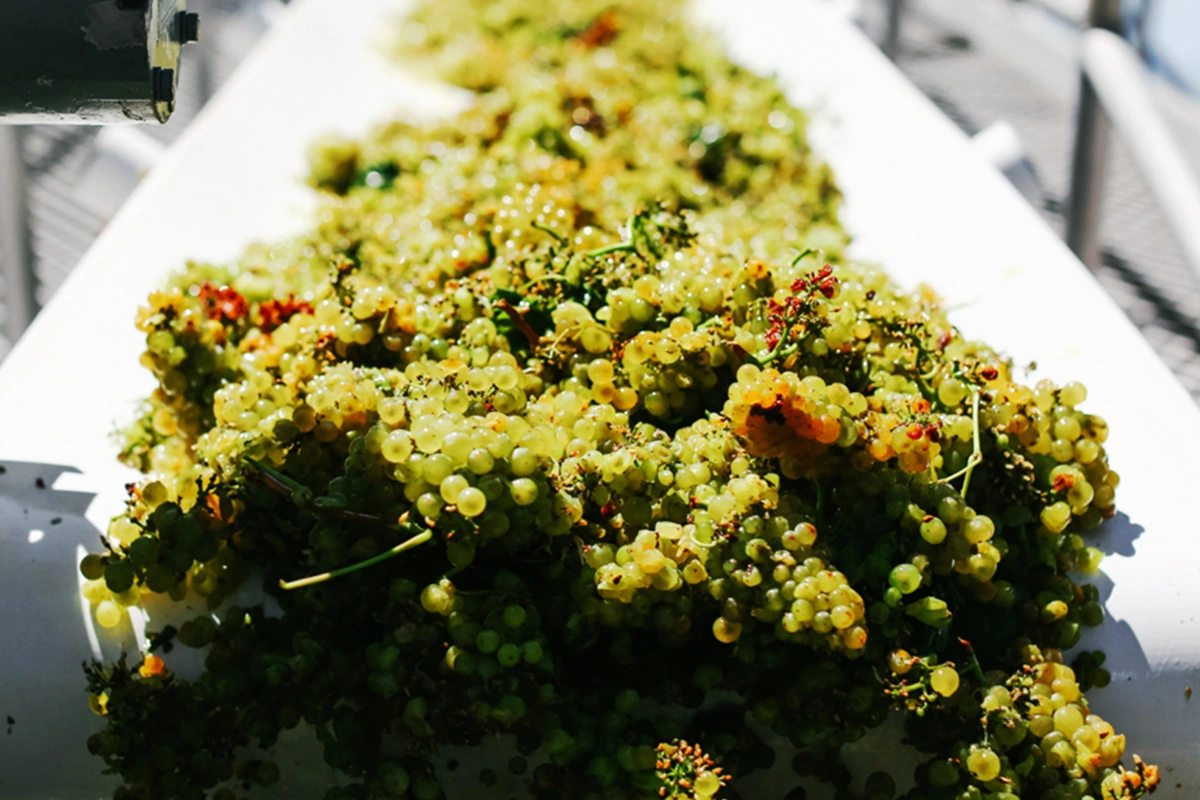 Instead of being discarded after pressing, Chardonnay grape byproducts can be upcycled into fiber-rich functional ingredients.If a single compound is isolated, that natural support system is removed. “You may capture the target molecule, but you lose the buffering, the interaction effects, and the delivery architecture that made it behave the way it did in the original food,” Forsberg explains.
“WellVine retains the full fruit matrix — the skins, seeds, and fruit solids after pressing.”
Taste chemistry to commercialization
Sonomaceuticals’ sensory research with Utah State University has highlighted WellVine’s favorable taste profile across multiple applications. Recent double-blind clinical trial feedback on WellVine powder also supports findings on tolerability and consumer experience.
WellVine is already commercialized through the Vine to Bar premium 65% dark chocolate that uses WellVine Coastal Chardonnay marc to improve the taste and the nutritional profile of the chocolate. “The natural sweetness and bright fruit notes of the marc temper the bitterness of dark chocolate while delivering a whole-food prebiotic,” says Forsberg.
“Beyond chocolate, we have developed WellVine applications across soft chews, coffee powder blends, green powder blends, and emulsions — a range that shows the ingredient performing across very different formats and processing conditions.”
Its mild profile supports RTD drinks, powders and clean label products, and helps manufacturers overcome the taste hurdle in fiber concepts for gut health.
Upcycling Chardonnay for sustainability benefits
Besides sensory enhancement, Chardonnay marc also helps manufacturers meet growing sustainability demands, as upcycled sourcing moves from niche positioning to a “genuine purchasing criterion” for retail consumers and B2B ingredient buyers.
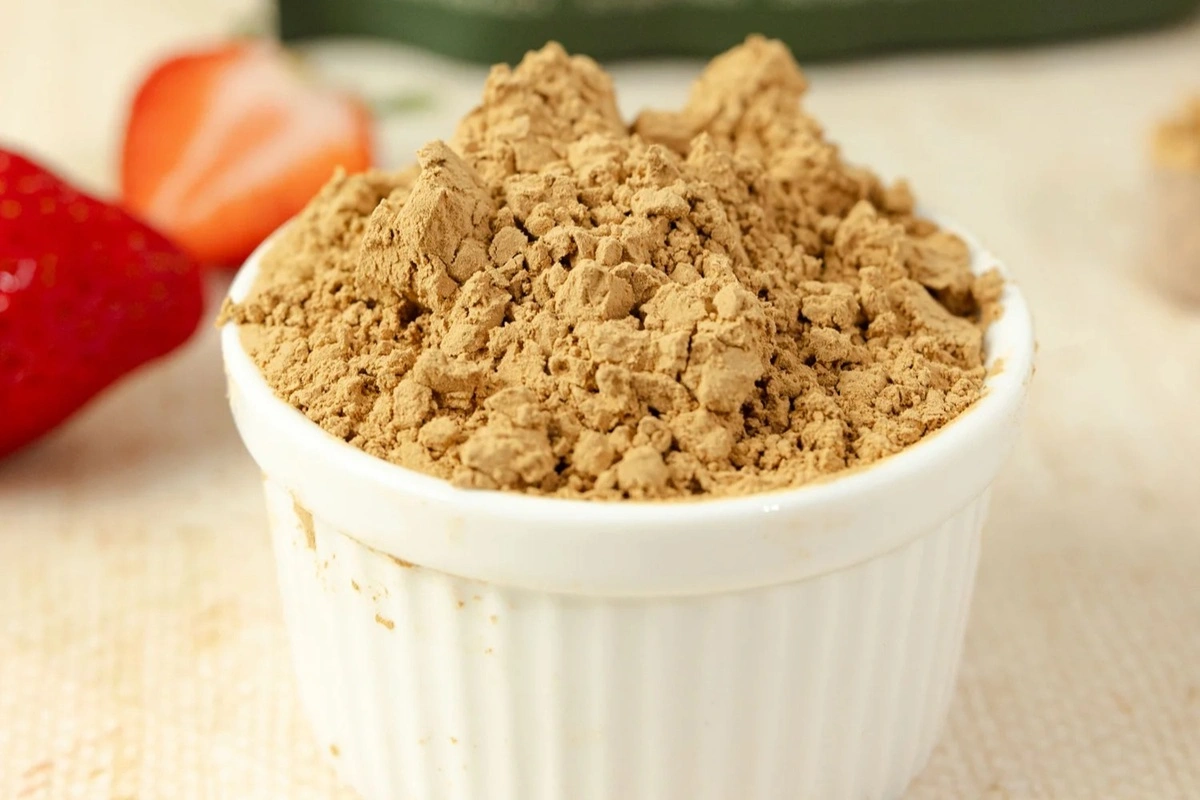 Sonomaceuticals’ WellVine is a whole-fruit prebiotic powder made from upcycled Coastal Chardonnay grape marc and can be used in chocolates, and ready-to-drink beverages to support gut health (Image credit: Sonomaceuticals).“The sustainability story is real — the ingredient is derived from Coastal Chardonnay grape marc that would otherwise be a byproduct stream from Jackson Family Wines’ California estate production,” says Forsberg.
“Grape marc is produced at significant scale as a natural byproduct of the wine industry. Utilizing it as a functional food ingredient represents a high-value valorization effort of a material that already exists within an established agricultural supply chain — there is no incremental land use, no separate crop, and no additional agricultural footprint to supply WellVine.”
For CPG brands, WellVine offers a differentiated prebiotic ingredient backed by clinical research in progress, peer-reviewed taste chemistry, a clean flavor profile, and an upcycled origin traceable to a specific California wine region.
Fruit-forward future?
Sonomaceuticals’ near-term focus is on deepening engagement with CPG brands in the functional food, functional beverage, and wellness supplement categories.
These applications “combine prebiotic efficacy, taste compatibility, and clean sourcing,” creating the clearest value proposition, Forsberg emphasizes.
“We are actively working with innovation and R&D teams at a range of companies to explore formulation applications, and we will be sampling new and existing consumer product formats at IFT First in July 2026 with partners for those who want to evaluate the ingredient firsthand.”
In the long term, he expects WellVine to evolve as a whole-fruit functional platform, expanding across beverages, snacks, confections, culinary products and wellness formats, supported by ongoing clinical research.