



What does the new UK-EU food trade agreement mean for manufacturers?
The post-Brexit deal promises fewer border checks and lower trade costs but brings sweeping changes to food regulations, ingredients, and labeling
Key takeaways
- The UK-EU agreement will remove most routine food and agricultural border checks, export health certificates, and phytosanitary certificates.
- UK F&B businesses will need to comply with relevant EU rules covering food safety, ingredients, labeling, and product standards, including those that do not export to the EU.
- Trade bodies have welcomed the prospect of smoother trade and increased export opportunities but warn that businesses need early guidance and sufficient time to prepare.

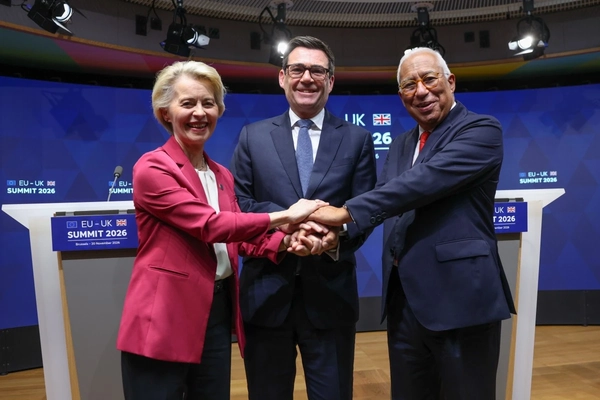
The UK and EU have agreed a new Sanitary and Phytosanitary (SPS) agreement that will remove many post-Brexit food trade barriers, potentially reducing costs for manufacturers and reopening export opportunities. However, the deal will also bring significant changes to UK food regulations, requiring businesses across the sector to prepare for closer alignment with EU law.
Following the UK-EU Summit in Brussels, the agreement establishes a Common SPS Area covering food and feed safety, animal and plant health, animal welfare, and a broader range of agri-food regulations.
The new arrangements are scheduled to apply from March 1, 2028, subject to UK and EU procedures.
Fewer checks, lower costs
Since the UK left the bloc, UK-EU trade has been subject to additional checks, paperwork, and other burdensome requirements. Paperwork and checks have also been required for agri-food and plants moving from Great Britain to Northern Ireland. UK agri-food exports to the EU have reportedly fallen by 32.5% since 2019.
Under the agreement, most routine SPS border checks on goods moving between Great Britain and the EU will be removed, including checks on meat, dairy, and fish.
Export Health Certificates will no longer be required for goods covered by the agreement, potentially saving businesses up to £200 (US$262) per certificate. Phytosanitary certificates will also be removed, saving around £25 (US$33) per certificate, alongside at least £127.60 (US$167) per load in inspection fees.
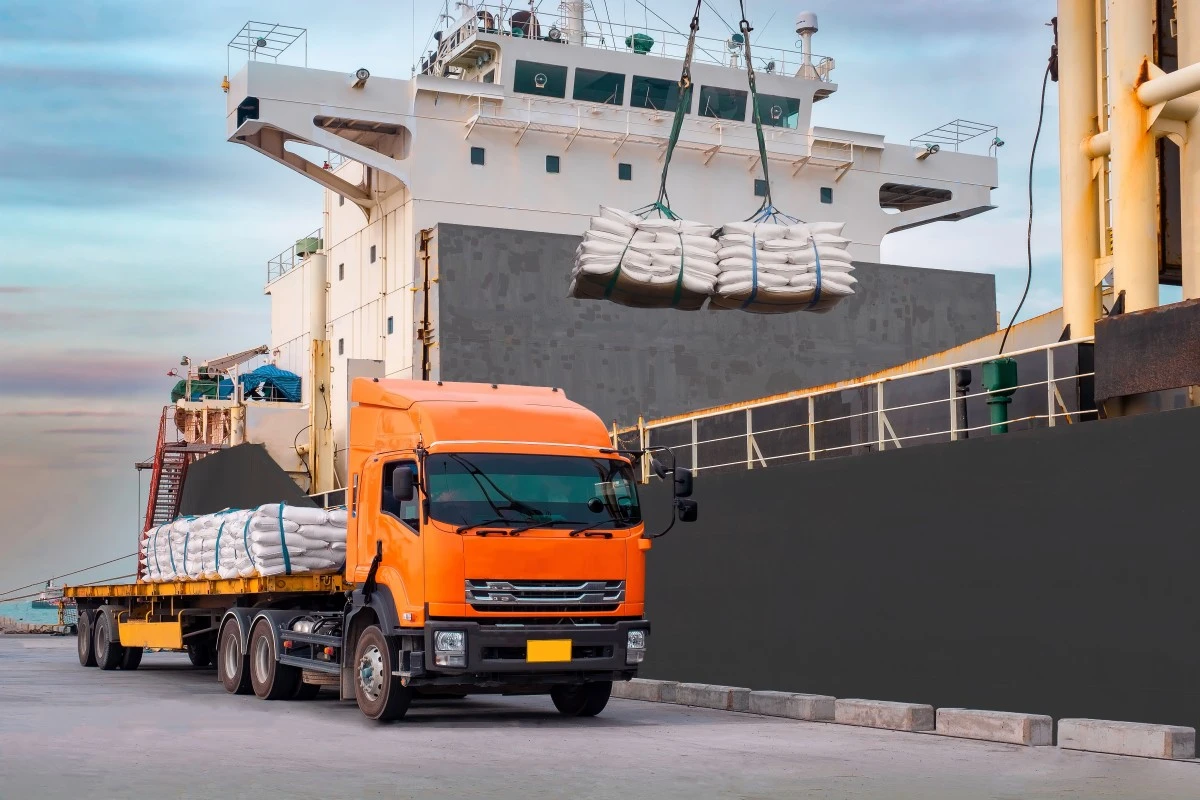 Industry is calling for sufficient time to adapt supply chains, products, and labeling to meet EU food law.
Smoother cross-border trade
The changes are expected to make cross-border supply chains more efficient, particularly for businesses handling perishable products, while reducing administrative costs for importers and exporters.
The agreement will also reopen EU market access for several British products, including fresh sausages, burgers, seed potatoes, and mollusks. Organic exporters will benefit from the removal of certain certification requirements, including Certificates of Inspection.
Arrangements under the Windsor Framework will also be simplified, reducing paperwork and checks for many food products moving from Great Britain to Northern Ireland.
The government estimates the agreement could increase UK GDP by up to £5.1 billion (US$6.7 billion) annually by 2040, compared with projected economic output without the deal, equivalent to a 0.14% increase.
Regulatory changes for manufacturers
While the removal of border friction is expected to benefit businesses, the agreement introduces a significant regulatory shift.
From March 1, 2028, food and animal feed sold in Great Britain within the agreement’s scope will need to comply with EU rules.
The agreement covers a wide range of areas, including food labeling, nutrition and health claims, fortified foods, food supplements, compositional standards, pesticides, biocides, and organic production.
It will operate through dynamic alignment, meaning the UK will adopt relevant EU rules as they change. The government says it has secured an early decision-shaping role in the development of future EU legislation, allowing the UK to provide input before new rules are adopted.
Businesses will also have access to relevant EU agencies and databases, including the European Food Safety Authority, supporting cooperation on food safety and emerging risks.
Some transitional arrangements have been agreed to limit disruption. Products already on the Great Britain market before March 1, 2028, can continue to be sold domestically until stocks run out, even if they do not meet the new EU requirements.
There are also temporary provisions for certain novel foods, including cell-cultivated products, precision fermentation products, and cannabidiol foods. Products authorized in Great Britain by the implementation date can continue to be produced and marketed domestically until October 31, 2029.
Industry welcomes deal but concerns remain
While the deal comes as a welcome relief for many in the F&B industry, with the potential to cut barriers, bureaucracy, and costs, several organizations are warning that giving businesses sufficient time to adapt is essential.
The Food and Drink Federation (FDF) welcomed the agreement, describing it as an opportunity to rebuild trade with the UK’s nearest and most significant trading partner.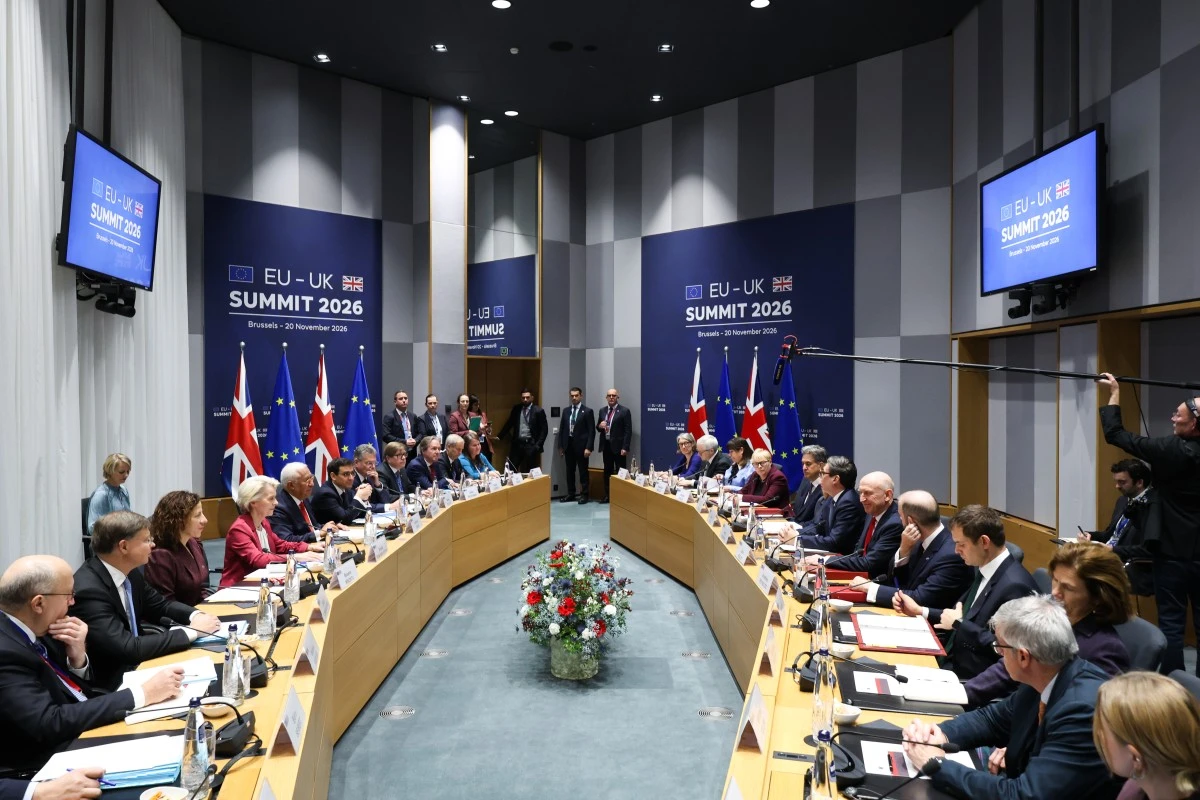 Talks at the November 20, 2026, EU-UK summit in Brussels focused on establishing a new pathway for food trade.
“Food and drink manufacturers are relieved to see an end to the majority of border friction, including with Northern Ireland. In time, I’m certain the deal will support a welcome rise in food and drink exports to the EU,” Karen Betts, FDF chief executive, says.
“This agreement brings EU food law into effect across the UK. What’s critical to food and drink businesses now is that they have sufficient time to change their supply chains, products, labeling, and ingredients to comply with EU law.”
“We welcome that the government has responded to industry concerns by agreeing pragmatic timeframes for the transitional period with the EU and secured extensions for products with complex changes to make. However, overall the timing remains tight. What will help businesses is for government to pass the enacting legislation and publish detailed business guidance as quickly as possible, ideally by March 1, 2027, to give companies time to make necessary changes.”
The British Retail Consortium also welcomed the agreement, with chief executive Helen Dickinson describing it as a significant win for retailers, the wider food industry, and consumers.
“Reducing border friction and simplifying trade will cut costs and support smoother trade in food, drink, and plants between the UK and EU, including moving goods to Northern Ireland. The benefits will be felt across the entire supply chain, from producers and suppliers through to retailers and the millions of consumers they serve,” she says.
“The priority now must be to get the detail right and give businesses at least 18 months, alongside clear and early guidance, to transition to the new arrangements without unnecessary cost or disruption.”
Meanwhile, the National Farmers’ Union says the agreement has the potential to reduce costly trade friction and support agricultural exports, but stressed that its success would depend on practical implementation and the UK’s ability to influence future EU regulations.
European industry organizations have also welcomed the outcome. FoodDrinkEurope, Copa-Cogeca, and CELCAA said the agreement should simplify import and export procedures, reduce administrative burdens, and improve the reliability of cross-border agri-food supply chains.
Businesses face a preparation period
For manufacturers, the next challenge will be understanding how the regulatory changes affect existing products, ingredients, packaging, and sourcing arrangements.
The UK government has said it will provide further guidance, webinars, and targeted support to help businesses prepare. It has also encouraged companies to consult their trade associations and sign up for official SPS updates.
With March 1, 2028, set as the implementation date, businesses have less than 18 months to assess the impact of the agreement, review their supply chains, and make the necessary regulatory changes to ensure a smooth transition.