
UN FAO: Global livestock antimicrobial use set to rise nearly 30% by 2040

Key takeaways
- Global antimicrobial use in livestock is projected to rise by nearly 30% by 2040, with antimicrobial resistance-driven losses far outweighing short-term productivity gains from antimicrobial growth promoters.
- Closing the gap will require coordinated policy, investment, and on-farm support, combining regulation with better animal health systems, biosecurity, vaccination, and alternative solutions.
- The transition will be uneven across regions and production systems, but delaying action increases long-term costs for food production and global food security.
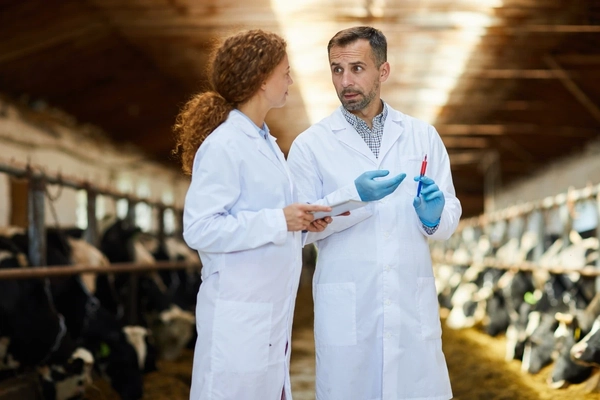
A new UN FAO report warns that, under current trends driven by growing demand for animal source foods and continued production intensification, global antimicrobial use in livestock is projected to increase by almost 30% by 2040 compared with 2019.
The report — titled The future of antimicrobial use in livestock: The economic cost of action or inaction — was presented earlier this week during the Fourth Session of the COAG Sub-Committee on Livestock at FAO headquarters in Rome, Italy.
Antimicrobial resistance (AMR) happens when bacteria stop responding to medicines like antibiotics. Food production plays a key role because antibiotic use in livestock can help drive that resistance into the wider environment and food chain.

Persistent high resistance to common antibiotics (including ampicillin, tetracyclines, and sulfonamides) continues in key pathogens, such as Salmonella and Campylobacter, across humans and animals, while E. coli resistance remains widespread in animals, according to EFSA and ECDC surveillance data.
The new analysis reveals that antimicrobial growth promoters (AGPs) can deliver short-term productivity benefits, particularly in resource-constrained settings, but these are outweighed by far larger long-term losses linked to rising AMR.
Under high-AMR scenarios, cumulative livestock production losses could reach around US$318 billion by 2040, compared with roughly US$53 billion in the most severe AGP phase-out scenario.
“The costs of reducing unnecessary antimicrobial use are often immediate and concentrated, while the benefits of preserving antimicrobial effectiveness are long-term and widely shared,” says Thanawat Tiensin, FAO assistant director-general, director of the Animal Production and Health Division, and chief veterinarian.
“This is why antimicrobial effectiveness should be treated as a global public good, requiring better alignment between national and farm-level incentives and the global benefits of preserving its effectiveness, supported by investment that makes prevention feasible at scale.”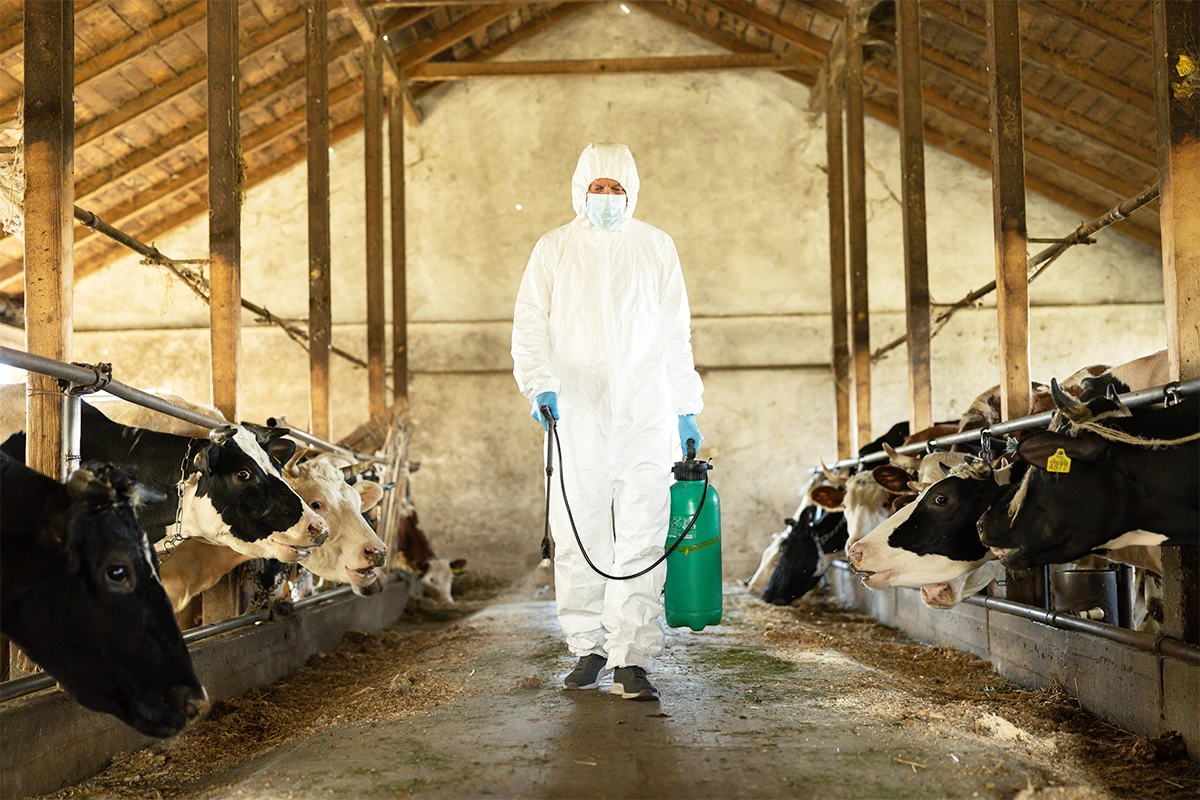 Global livestock antimicrobial use could surge 30% by 2040, raising urgent calls for coordinated action against resistance.
What needs to happen?
International guidance is increasingly pushing for restrictions and a phased reduction of antimicrobial growth promoters (AGPs), though the transition is uneven given their productivity benefits, especially where disease pressure is high, and access to veterinary care, biosecurity, and alternatives is limited.
The report shows that livestock antimicrobial use can be reduced through stronger animal health systems, better prevention, and productivity gains. However, phasing out AGPs brings an immediate disruption followed by gradual recovery as alternatives scale, while the impacts of rising antimicrobial resistance unfold more slowly but intensify over time.
This would likely create a lag that can delay action despite the stronger long-term case for change.
Policy and investment requirements
The findings of the report call for better coordinated policy action combining regulation with economic incentives, alongside investment in veterinary services, surveillance, and diagnostics.
It also urges greater use of alternatives, such as vaccination, biosecurity, and improved animal husbandry, as well as aligning trade and market systems with responsible antimicrobial use. This is especially important as global livestock production is expected to grow by about 23% by 2040, driven mainly by poultry and dairy, according to the FAO.
The report estimates that at least US$28.4 billion in transitional funding would be needed to cover short-term implementation costs.
An integrated One Health economic model is used in the analysis to assess the value of improving antimicrobial use in livestock, linking farm-level decisions with policy and wider economic outcomes.
It shows that progress will require more than guidance or regulation alone, combining clear targets, financing, market incentives, and farmer support for alternatives, particularly as livestock production is projected to rise by around 23% by 2040.
Regional trends in antimicrobial use
By 2040, Asia and the Pacific are expected to remain the largest users of livestock antimicrobials, making up nearly 65% of global use, followed by South America at about 19%. Africa’s share is smaller but growing quickly.
AGPs can improve growth and feed efficiency in broilers, pigs, and cattle, though results differ by region, species, and production system. This helps explain why producers still use them where alternatives are limited, and why the impact of reform will vary, requiring tailored policies and coordinated support, the report also highlights.
Ultimately, the report reframes antimicrobial use in livestock as a systems challenge at the intersection of productivity, prevention, and long-term resilience in food production.
It underlines that the question is no longer whether action is needed, but how quickly policy, investment, and innovation can align to make that transition workable on farms while safeguarding the effectiveness of antimicrobials and the long-term security of the global food system.