


September in review: Reformulation, protein, AI and supply-chain resilience dominate F&B ingredients


Key takeaways
- Protein remained a major industry focus, with investment spanning plant proteins, whey, upcycled ingredients, and new technologies targeting protein functionality and supply resilience.
- Reformulation and product performance took center stage, as manufacturers worked to reduce sugar and improve protein, fiber, taste, texture, and affordability without compromising consumer appeal.
- Supply-chain resilience became increasingly important, with trade tensions, climate risks, commodity volatility, and advances in AI, gene editing, and agricultural technology shaping ingredient sourcing and production.

September brought a broad mix of developments across the food and beverage industry, with reformulation, protein, affordability, supply resilience, and new processing technologies emerging as recurring themes.
From cocoa fermentation and bakery reformulation to AI-powered protein development, and growing concerns over commodity supplies, the month highlighted the increasingly complex demands facing ingredient suppliers and food manufacturers. Meanwhile, plant-based innovation continued to shift toward cleaner labels, better functionality, and more resilient European supply chains.
What do H1 2026 results reveal about where F&B growth is shifting?
Recent H1 and Q2 results across the F&B sector pointed to a widening divide between specialized, value-added businesses and more commodity-focused portfolios. Health, nutrition, taste, texture, and functional solutions continued to attract investment, while some mainstream and commodity businesses faced softer volumes and pricing pressure. The results also highlighted the importance of affordability and supply resilience. Companies are increasingly investing in reformulation, R&D, and sourcing strategies that can help manufacturers deliver clear consumer benefits while managing volatile input costs. The trend suggests that ingredient suppliers are increasingly competing on formulation value and technical performance rather than simply volume or price.
Bakery reformulation enters new era as ingredients balance nutrition, taste and texture
Bakery emerged as a major reformulation battleground, with manufacturers simultaneously looking to increase protein and fiber while reducing sugar, sodium, and additives. Ingredion, Kerry, and Puratos highlighted the technical difficulties involved in making those changes without sacrificing taste, texture, shelf life, or processing performance. The companies also pointed to the growing influence of GLP-1-related consumer needs, including greater interest in nutrient density and changing expectations around sweetness and satiety.
Cocoa overfermentation identified as a source of smoky off-flavors
Researchers in Germany identified cocoa overfermentation as an additional source of smoky off-flavors, alongside previously recognized issues such as smoke contamination during drying. The finding offers chocolate manufacturers another explanation for undesirable sensory characteristics in cocoa raw materials. The research could also provide a practical route toward improved quality control. Researchers found that cocoa pulp pH rises once optimal fermentation has been reached, suggesting that relatively simple measurements could complement existing temperature, color, and odor checks. As cocoa supply chains face growing climate and production pressures, better control of fermentation could become increasingly important for maintaining consistent flavor quality.
 AI gene editing and agricultural technology is shaping ingredient sourcing and production.
Cottage Protein+: Upcycled apricot kernels fuel Revo Foods’ alt-cheese innovation
Revo Foods turned apricot kernels, typically treated as a low-value processing by-product, into the basis for a high-protein cottage cheese alternative. The product uses fermented apricot kernels, water, salt, and vegan cultures, with the company positioning it as a protein-focused food rather than primarily as an apricot-kernel product. The development reflects a broader move toward finding higher-value applications for food-processing side streams while addressing demand for cleaner-label, protein-rich alternatives.
US–Canada trade dispute escalates as whey import ban and dairy tariffs disrupt ingredient trade
The US-Canada dairy trade dispute escalated in September, with the US announcing a ban on imports of several Canadian whey products from September 29, while Canada imposed tariffs of up to 50% on US whey, casein, milk proteins, and other dairy ingredients. The measures arrived as the whey market was already dealing with tight availability and elevated demand. For food manufacturers, the disruption could increase costs and sourcing uncertainty while encouraging greater use of alternative proteins and blended systems. The dispute illustrated how geopolitical and trade developments are becoming increasingly important variables in ingredient procurement.
True Nexus and Pasqal target F&B protein performance with AI and quantum tech
True Nexus and Pasqal combined artificial intelligence with neutral-atom quantum technology to investigate protein structures associated with gelation, with the goal of making protein functionality more predictable in food applications. The technology targets a major formulation challenge: proteins must do much more than deliver nutrition. They can determine texture, structure, water retention, juiciness, and stability in products ranging from alternative proteins to bakery, confectionery, dairy alternatives, and functional foods. By moving toward computationally designed protein functionality, the companies aim to reduce the trial-and-error involved in conventional formulation and develop simpler, better-performing systems.
Elian secures €40M to scale EU plant protein production and supply resilience
Elian secured €40 million to expand its plant protein operation at the Port of Barcelona, supporting a wider investment of more than €300 million in the facility. Once completed, the site is expected to add more than 100,000 tons of annual production capacity for protein derivatives. The project is positioned as part of a broader effort to strengthen Europe's domestic protein supply and reduce reliance on imported ingredients. The expanded facility is expected to produce soy protein concentrates, texturized soy protein concentrates, and food-grade lecithin, while the company is also developing a local soybean sourcing base in Spain.
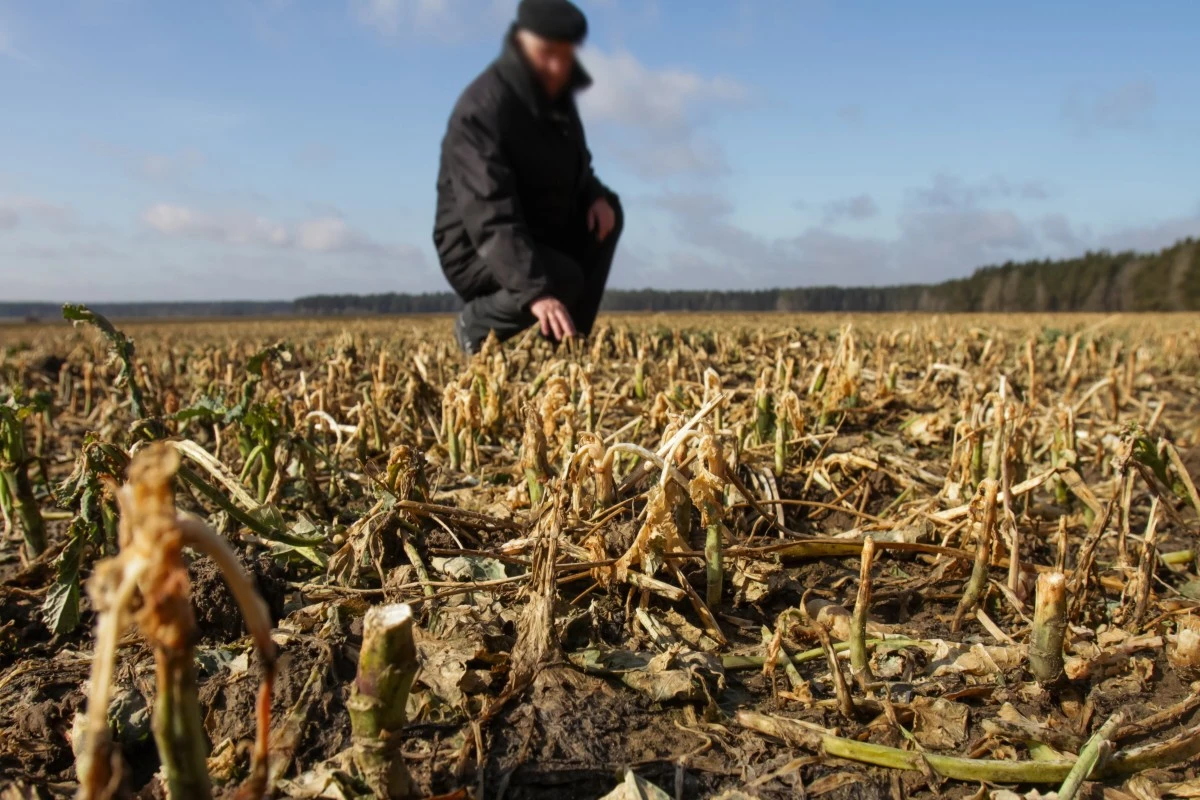 El Niño-driven drought puts farmers under pressure and threatens food supply chains.
El Niño puts food supply chains on alert as commodity risks build
The prospect of a prolonged and potentially powerful El Niño event emerged as a major new concern for food manufacturers and procurement teams. Beroe forecasts that a combination of weather disruption, fertilizer shortages, geopolitical tensions, and elevated energy costs could contribute to a 14–16% increase in global food commodity prices. Cocoa was identified as the highest short-term procurement risk, while sugar, vegetable oils, coffee, and palm oil were also highlighted. The potential impact may extend well beyond the weather event itself, with commodity markets often responding with a lag. For buyers, the focus is therefore shifting toward sourcing diversification, forward coverage, inventory monitoring, and alternative specifications.
Engineering sweetness: ADM and Ingredion map the future of sugar reduction
Sugar reduction is increasingly being approached as a problem of overall sensory and functional performance rather than simply sweetness intensity. ADM and Ingredion are developing multi-ingredient systems designed to manage sweetness onset, intensity, aftertaste, mouthfeel, bulk, and other functions normally delivered by sugar. The shift reflects the complexity of reformulation, particularly as manufacturers attempt to reduce sugar while maintaining consumer expectations around taste and texture. The September developments also underline the importance of affordability, clean labels, scalability, and supply reliability in determining whether new sweetening systems can move from technical demonstrations into mainstream products.
AI and gene editing accelerate climate-resilient corn development for food ingredients
We reported how Rainbow Crops and Vylor are using AI-driven trait discovery, multiplex genome editing, and precision breeding to accelerate the development of climate-resilient corn varieties. The work is aimed at improving tolerance to environmental stresses while maintaining traits important for ingredient production. For the food ingredients sector, the significance extends beyond agricultural yields. Corn is a key raw material for starches, sweeteners, and proteins, meaning greater consistency in crop composition and supply could have implications throughout the ingredient value chain. The approach reflects growing efforts to address supply-chain resilience at the agricultural level rather than relying solely on downstream procurement strategies.


Upcoming webinars

Oat-Standing Ingredients - Showcasing Irish Grain Through Innovation
Tirlán Ingredients

2027 Food Safety Risks for Quality & Compliance Leaders
FoodChain ID

Formulating for function: Developing benefit-led beverages with natural colours, botanicals, and flavours
Givaudan Sense Colour