



Coca-Cola eyes prebiotic fiber for Coke Zero Sugar, Sprite and Fresca


Key takeaways
- Coca-Cola is reportedly exploring prebiotic versions of flagship soda brands, following the launch of Simply Pop, although no official confirmation has been issued.
- The move reflects a wider shift as major beverage companies bring gut health benefits into mainstream drinks while balancing taste and functionality.
- Rising demand for prebiotic sodas is accelerating innovation in fiber ingredients, formulation technologies, and better-for-you beverage solutions.
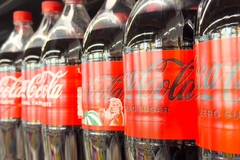
Coca-Cola is reportedly exploring the addition of prebiotic formulations to some of its flagship beverage brands, following the launch of Simply Pop.
The move would mark a shift from launching a dedicated functional beverage brand extension to adding wellness credentials to established FMCG icons with decades of consumer recognition.
Images circulating online show potential prebiotic versions of Coca-Cola Zero Sugar, Sprite Zero Sugar, and Fresca carrying a 6 g prebiotic fiber claim. However, Coca-Cola has not yet issued an official announcement confirming these products.
The reported move follows Coca-Cola’s launch of Simply Pop last year, which introduced the company to the fast-growing prebiotic soda category. The fruit-based sparkling beverages contain 6 g of prebiotic fiber, vitamin C, and zinc, and were positioned around growing consumer interest in gut health and functional drinks.
From functional newcomer to mainstream brands
The potential expansion reflects a broader industry strategy, bringing functional benefits into products consumers already know and purchase regularly.
PepsiCo launched Pepsi Prebiotic Cola in 2025, featuring 3 g of prebiotic fiber and positioning the product as a better-for-you evolution of traditional cola.
For large beverage manufacturers, the opportunity lies in combining the familiarity of established brands with emerging consumer priorities around digestive health, fiber intake, and reduced sugar.
But formulation remains a challenge. Adding functional ingredients to iconic beverages requires maintaining the taste, mouthfeel, and drinking experience consumers expect.
Taste remains the biggest hurdle
The rise of prebiotic sodas highlights one of the central challenges facing functional beverage developers: delivering health benefits without compromising sensory appeal.
Prebiotic fibers can influence sweetness perception, texture, and stability, while some ingredients may introduce unwanted notes or affect carbonation performance. Ingredient suppliers are therefore focusing on solutions that support fiber enrichment while preserving flavor and consumer acceptance.
Food Ingredients First previously explored these challenges in coverage of functional beverage innovation, highlighting how gut health, sugar reduction, and ingredient technologies are shaping new beverage formulations.
More recently, we examined how beverages are moving beyond simple hydration toward multi-benefit products combining functions such as gut health, energy, and nutrition.
Prebiotic soda momentum accelerates
Coca-Cola’s reported move comes amid rapid growth in the functional soda segment, where consumers are increasingly looking for everyday products with added benefits.
The category has attracted significant investment from major beverage players. PepsiCo’s acquisition of prebiotic soda brand Poppi for US$1.95 billion highlighted the strategic importance of gut-health-focused beverages and the appeal of brands connecting wellness with mainstream consumption habits.
If Coca-Cola does move forward with prebiotic versions of its core soda brands, it could further accelerate demand for functional fibers and formulation technologies.
As functional beverages continue moving from niche wellness products into mainstream soft drinks, the next stage of innovation may depend less on introducing new categories and more on upgrading familiar ones.



Upcoming webinars

Oat-Standing Ingredients - Showcasing Irish Grain Through Innovation
Tirlán Ingredients

2027 Food Safety Risks for Quality & Compliance Leaders
FoodChain ID

Formulating for function: Developing benefit-led beverages with natural colours, botanicals, and flavours
Givaudan Sense Colour