

Roquette and Seaweed & Co. back flexitarians as alternative protein demand widens


Key takeaways
- Demand for alternative proteins is expanding beyond vegans, driven by flexitarians, and rising whey prices.
- Roquette’s Nutralys Pea 850F reduces pea notes, and its textured proteins serve meat and hybrid products.
- Seaweed & Co.’s lentil-coated PureSea Protect addresses the plant-based iodine gap.
The market for alternative protein is widening beyond vegan shoppers, according to ingredient suppliers. Ingredients such as legume proteins and pea and fava bean isolates are being developed for beverages, dairy alternatives, and specialized nutrition, while lentil protein is now used as a protective coating for micronutrients that plant-based eaters risk missing.
At the same time, Innova Market Insights’ data indicates that more than half of global consumers report eating more protein, with many seeking plant-based sources for their perceived health and digestive benefits.
Food Ingredients First speaks with Roquette and Seaweed & Co about where alternative protein demand is heading and what it means for formulators.
Benjamin Voiry, head of marketing for plant proteins at Roquette, points to lifestyle and cost pressures behind the continued shift. He says that evolving eating habits are creating demand for protein-dense products in smaller portions, while high whey prices are nudging manufacturers toward cheaper alternatives.
Voiry notes that flexitarians far outnumber vegans and vegetarians and says he sees an opening to reach consumers who want to add more protein sources to their diets rather than give up animal protein altogether.
“This is creating opportunities to develop hybrid products that combine plant and animal proteins, as well as plant-based products that are appealing in their own right without the need to mimic the taste or texture of meat,” he says.
Filling the iodine gap
Francesca Chetham, the nutrition and business development manager at Seaweed & Co, says iodine gets far less attention than vitamin B12, iron, or omega-3s in plant-based diets.
“When those foods are swapped out, intake can drop fast, often without anyone noticing until it shows up in thyroid function or fertility markers,” Chetham says. “Europe as a whole is now considered iodine insufficient.”
“Iodine plays a central role in thyroid health, metabolism, cognitive function, skin, and, for many of the brands we work with, fertility and pregnancy support too. Seaweed is the only meaningful plant-based source of iodine, which is why we think product developers need to be building it in proactively, rather than leaving it to consumers to catch through supplements after the fact.”
Clean label encapsulation
Seaweed & Co.’s PureSea Protect wraps seaweed in a microencapsulation coating made from lentil protein rather than a synthetic or animal-derived carrier. Chetham explains that the choice answers two demands at once.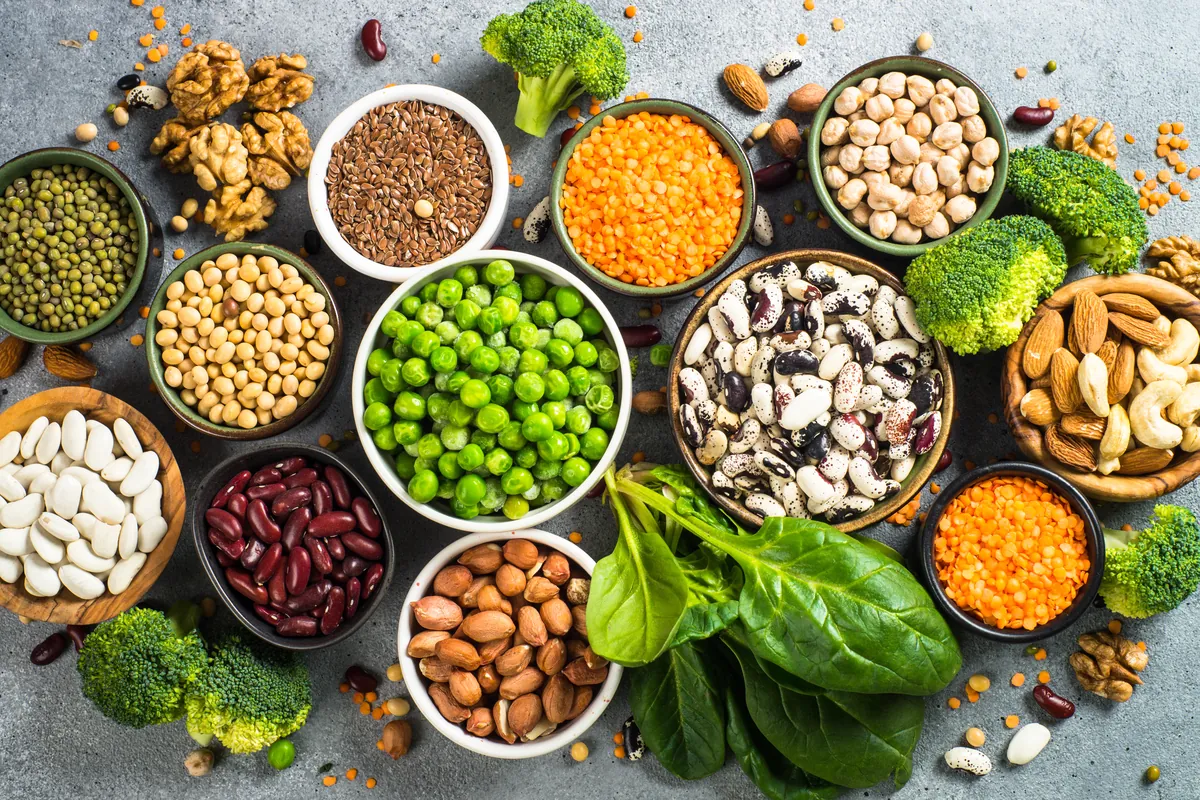 Roquette says lifestyle preferences and whey costs are reshaping plant protein demand.
“There’s growing pressure on formulators to deliver on function without falling foul of clean label expectations, and a legume-based coating is a good answer to both at once,” she says. “Lentil protein is something consumers recognize as food, not a processing aid they’d need to look up.”
“It also tends to sit well with allergen-conscious formulations compared with dairy or egg-based coatings, and it fits naturally into vegan and flexitarian product briefs, both of which are areas we’re seeing a lot of demand from brands right now.”
Additionally, she states that the coating masks seaweed’s taste and smell, so the ingredient can go into neutral-tasting drinks, powder blends, and sports nutrition.
“It protects sensitive compounds as they pass through the stomach, so more of them are available for absorption further down in the small intestine where they’re actually needed,” Chetham details. “So the appeal of lentil protein here isn’t really about choosing between natural and effective — it manages to be both.”
Encapsulating iron and zinc
Chetham says encapsulation is the part of Seaweed & Co’s pipeline the company is most excited about. A coating that can guard iodine through digestion and control its release, she argues, could carry other nutrients as well.
“Iron and zinc are obvious ones,” she says. “They’re notoriously tricky to formulate with because they can cause tolerance issues or interfere with other actives, so a similar coating approach could make a real difference there.”
She also notes that polyphenols, probiotics, and some fat-soluble actives face similar hurdles with stability and gastric sensitivity.
“More broadly, we think legume protein encapsulation is going to become a go-to approach whenever formulators need to combine several actives in one clean label format,” says Chetham. “It solves taste masking, stability, and absorption all at once, using an ingredient people already trust.”
Higher protein, fewer off-notes
Meanwhile, Voiry at Roquette says pea and fava bean isolates offer 80–90% protein and strong digestibility, but pushing protein levels higher adds formulation complexity.
“Taste remains a key formulation challenge for plant proteins, particularly the vegetal or pea notes that can affect consumer acceptance of protein-enriched products,” he stresses. “Addressing this has been an important focus of our recent innovation.”
Roquette reports that its Nutralys Pea 850F, which was introduced in February, delivers 85% protein on a dry-substance basis and significantly reduces pea notes. This is in addition to the ingredient’s solubility, emulsifying capacity, along with its moderate gelling and viscosity properties.
“This combination supports high-protein product development across multiple formats, including ready-to-drink and ready-to-mix beverages, dairy alternatives, and specialized nutrition, giving formulators greater flexibility in meeting their protein targets while maintaining the required formulation performance,” he says.
Holding texture in hybrids
Texture needs vary widely by application, Voiry underscores. Moreover, he highlights plant-based meat as the category that has progressed the furthest.
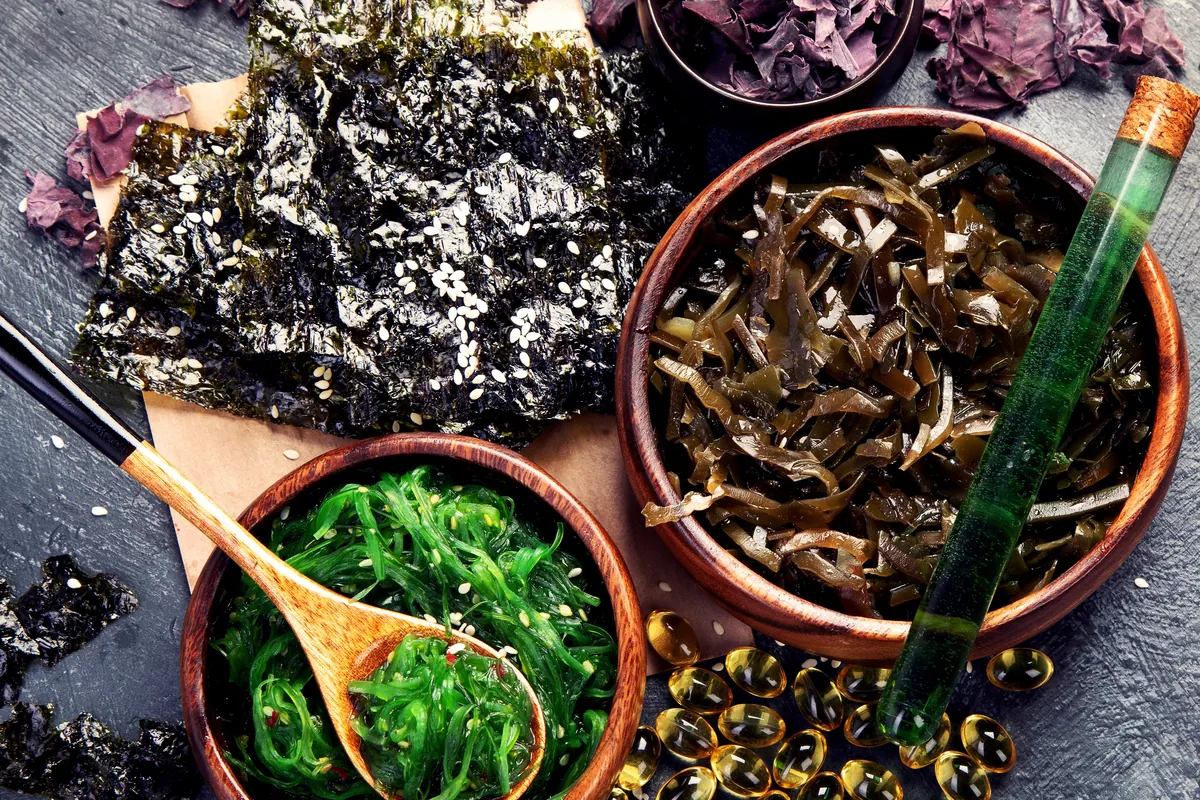 Seaweed & Co argues seaweed is the only meaningful plant-based iodine source for formulators.“As the category has evolved, texture development has become more sophisticated, with manufacturers looking to recreate textural characteristics such as fibrousness, juiciness, bite, and chewiness depending on the requirements of the finished product,” Voiry explains.
“Different textured proteins can help brands achieve these characteristics. For example, Nutralys TP 700XC provides a fibrous, airy, and juicy texture in a large-chunk format for plant-based meals, while Nutralys T Wheat 600L provides long fibers for an authentic, meat-like chewiness.”
For hybrid meat products, Roquette offers its Nutralys T Pea 702M, which Voiry says helps hold protein content and texture as the amount of meat in a product lowers.
Beyond meat mimicry
Voiry says Roquette starts from consumer preference and what the finished product requires.
“That means looking beyond protein content alone,” he states. “Taste, texture, solubility, viscosity, emulsification, and nutritional profile can all influence which protein solution is the best fit for a particular formulation.”
Additionally, Voiry says he sees potential in combining pea, fava bean, and wheat proteins, and in choosing between isolates and textured formats according to the application.
“Looking ahead, we see significant opportunity in moving beyond simple meat mimicry toward a more diverse alternative protein landscape, including plant-forward and hybrid products,” he says.
“Ultimately, the greatest opportunities will come from matching the right protein source and format to the needs of the finished product, balancing nutrition and functionality with affordability and consumer appeal,” Voiry concludes.


Upcoming webinars
Oat-Standing Ingredients - Showcasing Irish Grain Through Innovation
Tirlán Ingredients

2027 Food Safety Risks for Quality & Compliance Leaders
FoodChain ID
Formulating for function: Developing benefit-led beverages with natural colours, botanicals, and flavours
Givaudan Sense Colour