



Cocoa overfermentation identified as a new source of smoky off-flavors

Key takeaways
- Scientists find overfermentation is an additional source of smoky off-flavors in cocoa, besides smoke contamination during drying.
- The study reveals how fermentation conditions impact cocoa flavor quality and highlights opportunities for improved quality control.
- The results could help chocolate manufacturers manage fermentation processes better and improve sensory consistency in cocoa products.
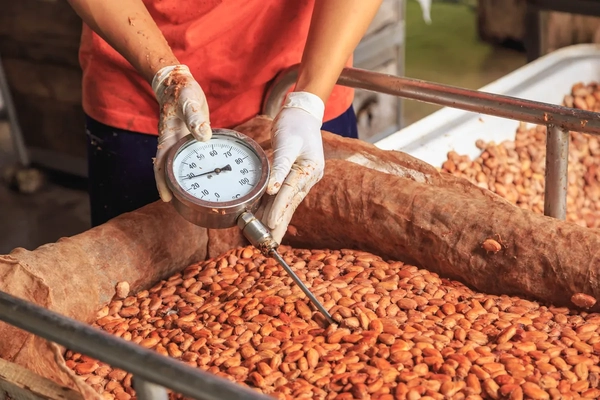
Scientists in Germany have identified “overfermentation” as an additional cause of smoky off-flavors in cocoa, besides traditional sources, such as smoke contamination during drying.
At a time when chocolate manufacturers face increasing supply chain pressure, the findings could help companies better identify the source of flavor defects and improve sensory quality in cocoa products.
Cocoa fermentation is a key step in developing characteristic chocolate flavors. Once harvested, cocoa beans go through a natural fermentation process that impacts taste, aroma, and overall quality. However, if fermentation continues beyond the optimal point, undesirable compounds can form, adversely affecting cocoa flavor and aroma.
Researchers at the Leibniz Institute for Food Systems Biology at the Technical University of Munich examined cocoa samples from different fermentation stages and growing regions, including plantations in Nicaragua and Costa Rica. Their aim was to determine when and how odorants linked to cocoa off-flavors form.

For manufacturers, the findings, published in the Journal of Agricultural and Food Chemistry, point to fermentation control as a key opportunity to improve flavor consistency and reduce cocoa batches with undesirable flavor characteristics.
Quantifying cocoa off-flavors
The research builds on a study by the Leibniz Institute researchers who had previously identified and quantified off-flavor compounds due to wood smoke contamination in cocoa beans.
In the new study, the team found that overfermented cocoa contained higher levels of short-chain carboxylic acids, which they say can develop flavors described as smelling like “cheese, sweat, or vomit.” They also identified increased concentrations of 2-methoxyphenol and 4-ethylphenol, two compounds associated with smoky sensory odors.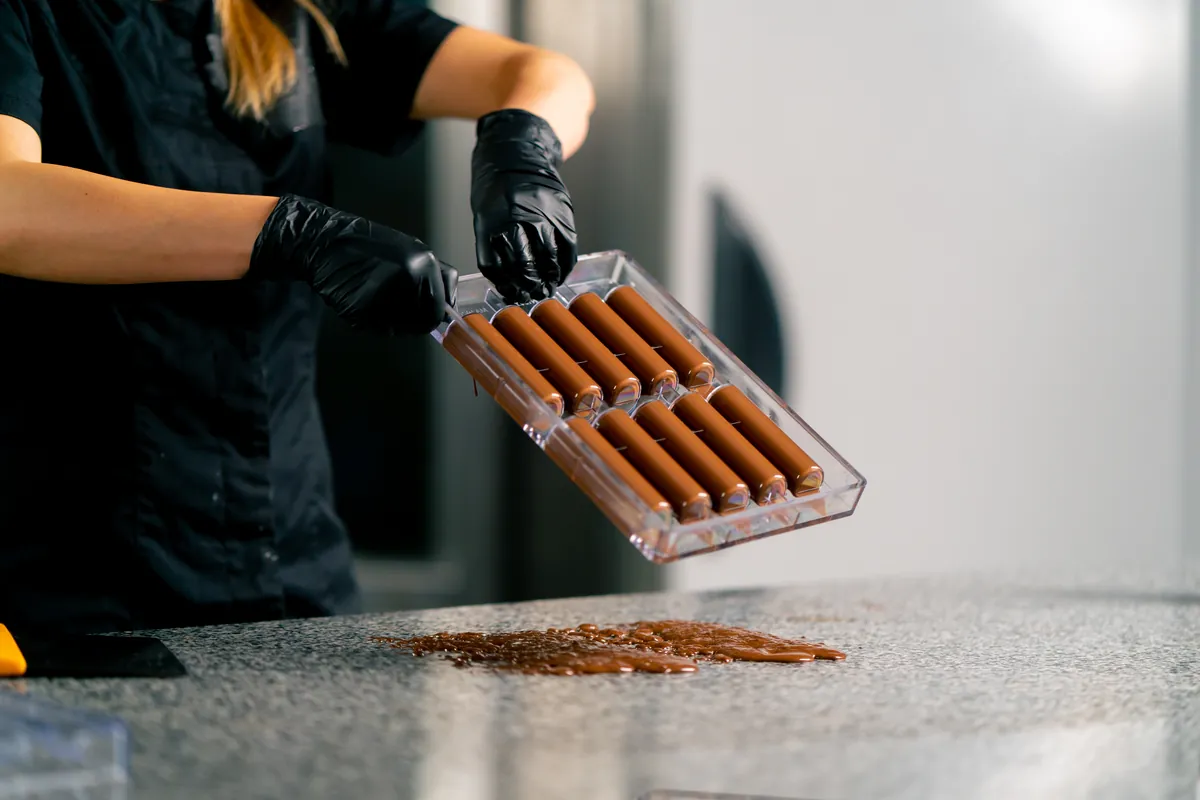 Better control of cocoa fermentation could support premium chocolate quality.
Martin Steinhaus, principal investigator at the Leibniz Institute, explains that the findings demonstrate “at the molecular level” that smoky off-flavors can originate from both smoke contamination and overfermentation.
The results could help cocoa producers and chocolate manufacturers better understand the causes of flavor issues and implement targeted quality control measures.
The importance of maintaining cocoa flavor consistency is growing, as chocolate brands increasingly target premium positioning and sensory differentiation.
Innova Market Insights data shows that one in six chocolate launches in the US carries a premium claim, reflecting consumer demand for indulgent experiences and growing pressure on manufacturers to deliver consistent flavor profiles.
Detecting cocoa fermentation issues
Besides offering information on what causes off-flavors in fermented cocoa, the study points to potential ways to detect the onset of overfermentation sooner and prevent the development of off-flavors.
The researchers found that cocoa pulp pH at both the study sites increased significantly once optimal fermentation time had been reached. “A simple measurement using test strips could therefore complement the standard temperature, color, and odor checks,” they explain.
Such tools could be valuable in regions where fermentation conditions vary due to climate, cocoa variety, and local processing methods.
Franziska Krause, a doctoral candidate at the Leibniz Institute, emphasizes that the results reveal another important finding — “the quantitative spectra of the odor-active phenols differ between overfermented and wood-smoke-contaminated cocoa.”
“These differences could help to identify the causes of smoky off-flavors more reliably in the future.”
Advancing cocoa fermentation control
Future research will focus on clarifying which microorganisms are involved in the formation of the identified compounds and at what concentrations these are actually perceived as off-flavors by consumers. This could provide further insights into how companies can optimize fermentation processes to enhance desirable cocoa flavors while minimizing defects.
For chocolate manufacturers, improved fermentation control could become increasingly important as the industry manages greater cocoa supply chain complexity. Climate pressures, production challenges, and fluctuations in cocoa availability are increasing attention on raw material consistency.
Food Ingredients First previously reported on studies highlighting fermentation as a critical factor shaping chocolate flavor, with scientists examining the impact of microbial communities, temperature, and pH on the development of desirable sensory profiles.