
ADM reveals three trends reshaping non-alcoholic beverages


Key takeaways
- Consumers want non-alcoholic drinks that deliver functional and emotional benefits, not just refreshment.
- Sweetness remains important, but more complex flavors, such as spicy, bitter, botanical, and sour are gaining appeal.
- Brands should design different beverages for specific occasions, social settings, and consumer needs rather than relying on one product for every moment.
 (All image credits: ADM).
Beverage innovation is moving from product categories toward occasion-specific experiences, according to ADM. Its latest report shows that brands should design products around specific moments rather than assuming one beverage can satisfy every need equally.
Sweetness and refreshment remain essential, but they are becoming basic expectations rather than sufficient points of differentiation.
The report, “From Fizzy to Fulfilled: Today’s Non-Alcoholic Beverages Need to Do More Than Refresh,” finds that non-alcoholic beverages are no longer judged only by taste and refreshment. Consumers increasingly expect a drink to produce a particular emotional or physical outcome, offer a more interesting sensory experience, and suit a specific social occasion.
The report treats beverage demand as a collection of temporary “need states” rather than fixed consumer personalities. One person may choose an energizing drink while traveling, a comforting drink at home, and a premium non-alcoholic option during a celebration.
The report identifies eight need-based segments across Germany, the UK, the US, South Africa, Nigeria, Saudi Arabia, Brazil, Australia, and Vietnam. These segments include Fruity Refresh, Fizzy Quench, Craving Calm, Chill & Joy, Indulging Experience, Sharp & Energized, Celebration Elevated, and Hydrating Balance.
New beverage trends rising
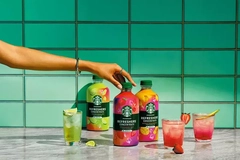
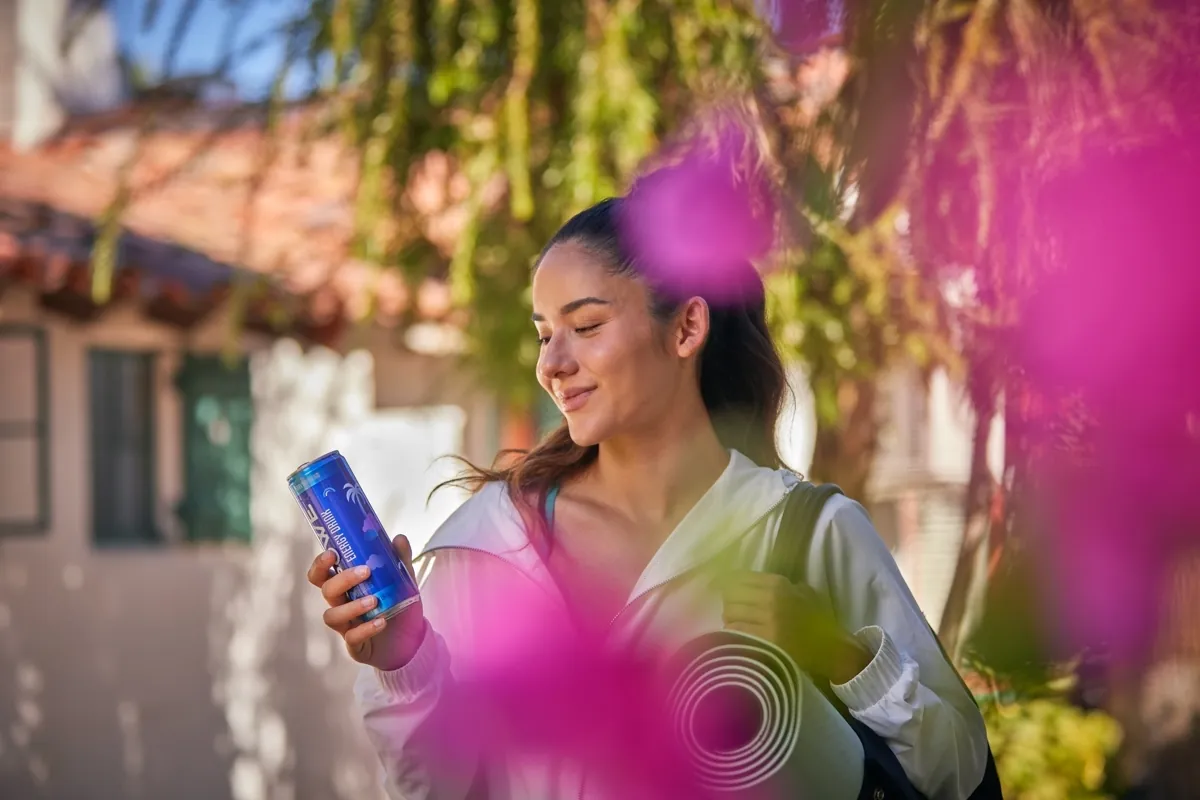 Consumers nowadays prefer drinks that meet their needs in specific moments over every-need situations.Three trends emerge from the report: Function with Feeling, Beyond Sweet, and Occasion Polarization.
Function with Feeling: Consumers increasingly expect beverages to deliver practical benefits and emotional value. A drink may support hydration, energy, focus, recovery, calm, or general well-being, but those functions must also connect to how the consumer wants to feel.
This means brands should move beyond ingredient-led claims and explain the intended experience clearly. Electrolytes, vitamins, botanicals, and stimulants are more compelling when linked to outcomes, such as feeling balanced, refreshed, alert, or relaxed. The strongest products will combine credible functionality, enjoyable taste, and a clear emotional promise that fits a specific moment in the consumer’s day, social routine, lifestyle, and daily habits.
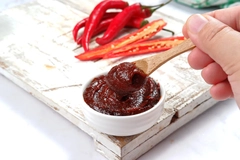
Beyond Sweet: Sweet flavors remain important, but consumers are looking for more complexity than simple sweetness alone. Beverage brands can create interest by combining familiar sweet profiles with sour, spicy, bitter, botanical, floral, savory, or lightly salty notes. These contrasts can make lower-sugar drinks feel fuller, more distinctive, and more premium.
The report suggests that consumers still want accessible flavors, so innovation should not become overly challenging. Instead, brands should use complexity to add depth while preserving enjoyment. Successful concepts may include fruit with herbs, citrus with matcha, sweet heat, or sophisticated botanical blends that offer novelty without losing broad consumer appeal.
Occasion Polarization: Beverage choices vary depending on whether people are alone or with others, and whether they are at home or outside. At home alone, consumers often prefer comfort, indulgence, familiarity, and easy refreshment. At home with others, they may be more open to shareable formats and approachable new flavors.
Outside the home alone setting, they tend to seek purposeful benefits, such as hydration, energy, focus, calm, or recovery. In social settings outside the home, consumers more often want distinctive, premium drinks that contribute to the occasion.
What the report means for beverage brands
The strongest product opportunities combine several dimensions rather than optimizing only one. A successful beverage might be lower in sugar, offer a layered botanical and fruit flavor, deliver a recognizable functional benefit, and be explicitly designed for an afternoon work break or an evening social occasion.
Brands should begin product development with the consumption moment rather than the ingredient. The useful starting question is not simply whether consumers want electrolytes, botanicals, or new flavors. The more valuable question is what consumers are doing, who they are with, and how they want to feel at that moment.
The report also supports a portfolio approach. A single product is unlikely to satisfy every occasion. A brand may need different propositions for solitary hydration, at-home indulgence, portable energy, and premium social drinking, even when those products share ingredients or branding.