

Parima secures regulatory clearance to sell cultivated duck in Singapore


Key takeaways
- Parima becomes the first cultivated meat company to secure regulatory approval for two animal species (chicken and duck), following Singapore authorization.
- The dual approvals reinforce the company’s platform approach, designed to support scalable production across multiple animal cell lines and species.
- Singapore continues to strengthen its position as the leading cultivated meat regulation and innovation hub.
France-based start-up Parima has become what it says is the first cultivated meat company to secure regulatory approval for two animal species, following authorization of its cultivated duck by the Singapore Food Agency (SFA). The milestone comes six months after the company received approval for cultivated chicken in Singapore (October 2025), originally submitted by Vital Meat before its merger with Gourmey to form Parima.
Parima’s latest authorization confirms that its production process meets the SFA’s safety requirements and builds on its earlier chicken approval. The two consecutive approvals reinforce the company’s platform approach, which can be applied across different animal cell lines and species.
Chicken and duck from cells
Parima’s approved products include cultivated chicken and cultivated duck, both produced from avian cells grown in controlled bioreactors and differentiated into muscle and fat tissue that replicate conventional meat.
The chicken product is a versatile poultry format derived from proprietary cell lines, originally developed by Vital Meat and intended for broader foodservice and future retail applications.
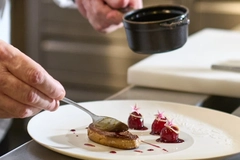
The duck product is positioned as a premium offering for high-end gastronomy, particularly duck-centric dishes and cultivated duck applications like “foie gras.”
Repeatable validation in cultivated meat
Parima’s second approval reflects a more disciplined phase in the cultivated meat sector, where success is increasingly defined by the ability to secure multiple regulatory approvals and reach commercial scale.
CEO Nicolas Morin-Forest says: “The approval of our cultivated duck product marks a new chapter not only for Parima, but for cultivated food more broadly. In a sector moving from promise to proof, repeatable regulatory success is becoming a clear marker of platform strength.”
“By securing approvals of two species within a few months, we have demonstrated the potential scale of our platform and core technology. Our focus now is commercialization to deliver high-quality and safe products at meaningful volumes.”
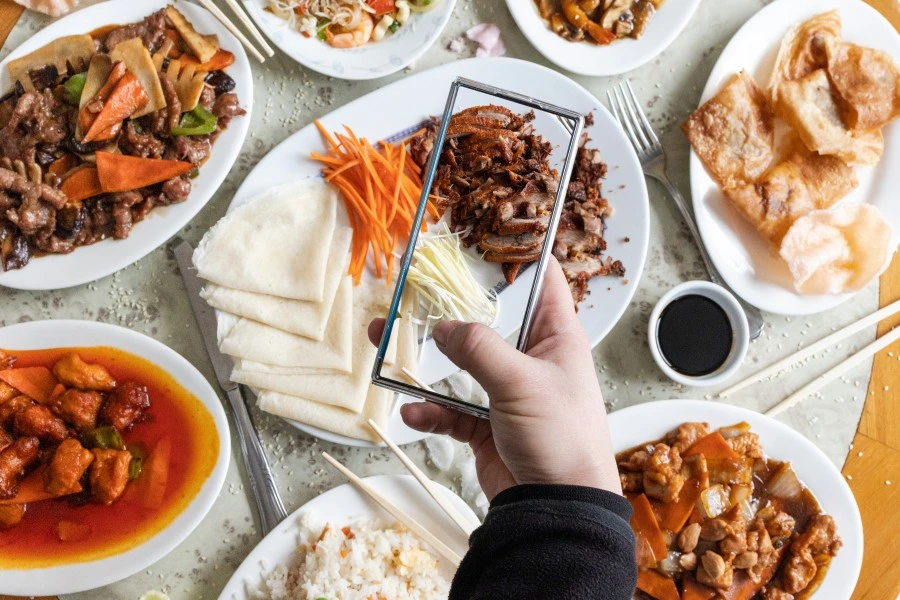 Duck consumption highlights a growing demand for sustainable protein, and cultivated duck offers a scalable, ethical solution to meet alternative protein needs without traditional farming constraints.
A new standard for cultivated proteins
Parima’s platform is designed to overcome early development hurdles, using high-performing cell lines grown at scale in bioreactors, without genetic modification or scaffolding. Cells are cultivated in suspension in a food-grade medium optimized for stability, cost efficiency, and regulatory alignment.
The approach supports a projected pathway to sub-€10/kg (US$11.8/kg) production and enables scalable, cross-species deployment with a consistent regulatory framework. Parima’s back-to-back approvals represent a broader shift in the cultivated meat sector from proving individual products to validating scalable systems.
Early progress in the industry was defined by isolated technical breakthroughs and single approvals, but the next phase will be determined by whether companies can consistently reproduce those outcomes across different species, markets, and regulatory frameworks.
Singapore: A hotbed for cultured meat innovation
Singapore has become the leading regulatory hub for cultivated meat by establishing the world’s first clear approval pathway for novel foods. In 2020, the SFA approved cultivated chicken from Eat Just’s Good Meat division, marking the first-ever regulatory clearance for cultivated meat globally.
This was followed by further approvals supporting limited commercial rollouts in foodservice and refinements to production processes, including serum-free media, reinforcing Singapore’s role as both a product and technology testing ground.
Since then, Singapore has continued to expand its cultivated meat framework, moving beyond initial approvals into broader commercial validation.
Parima’s approval of cultivated duck signals a shift toward multi-species authorizations, reinforcing the country’s position as a key launch market for demonstrating regulatory success and early-scale commercial viability.
Cultivated meat: Where’s it heading?
Following Parima’s two consecutive approvals, the company is now looking at extending approvals to other markets. The company is developing an extensive regulatory pipeline with seven active regulatory filings across Europe, Asia, and North America.
These include the first-ever cultivated food application submitted under the EU Novel Food framework, while Parima’s cultivated duck and chicken dossiers are the only two validated applications currently under risk assessment in the UK.
Two recent developments in the cultivated meat sector highlight both the fragility of some early pioneers and the diversification of product categories as the industry matures.
On the corporate side, the collapse of companies like Meatable underscores how difficult the transition from R&D to commercial scale has become, with funding shortfalls and long development timelines forcing several well-known players to wind down operations.
At the same time, product innovation is also broadening beyond traditional chicken and beef narratives. Alongside cultivated meat, animal welfare and alternative protein debates are impacting wider food systems, including shifting standards for poultry and duck production in key markets like China.
This reflects a wider industry shift: cultivated meat is no longer developing in isolation, but alongside structural changes in conventional meat production and consumer expectations around animal welfare and sustainability.