



Functional mushrooms move beyond supplements into mainstream F&B ingredients


Key takeaways
- Functional mushrooms scale beyond supplements into mainstream F&B, especially coffee, ready-to-drink, and snack formats.
- Industry leaders stress species differentiation and standardization, warning that grouping all mushrooms together oversimplifies their science and benefits.
- Growth depends on improved formulation, taste, solubility, and stronger domestic supply chains to support mainstream adoption.
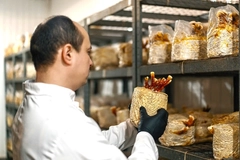
Functional mushrooms are moving beyond capsules and powders into mainstream F&B — from mushroom coffee and energy drinks to chocolates and gummies.
However, as consumer awareness of species like lion’s mane and reishi rises, industry advocates reveal deeper challenges around ingredient standardization, species differentiation, and treating functional mushrooms as a single, interchangeable category.
These fungi are heralded not just for nutrition or flavor, but also for their bioactive compounds that support specific physiological functions, such as cognitive performance, immune modulation, or metabolic health.
Varieties like lion’s mane (Hericium erinaceus), reishi (Ganoderma lucidum), chaga (Inonotus obliquus), and cordyceps (Ophiocordyceps sinensis) used in functional beverages are considered “new-generation foods” and increasingly garnering consumer attention.
More than 1 in 4 consumers globally are interested in functional mushrooms as ingredients, according to Innova Market Insights’ 2022 and 2023 surveys. Between 2018 and 2022, new functional F&B launches with mushroom as an ingredient rose by 22%, with North America accounting for nearly 49% of these launches, finds the market researcher.
Food Ingredients First speaks with the US-based Functional Mushroom Council (FMC) and leading North American growers and suppliers about functional mushrooms’ mainstream F&B potential and why they should be seen as scalable, science-backed ingredient platforms rather than a niche supplement category.
Clear, category-level growth data and increasing demand for multifunctional ingredients is driving the expansion of functional mushrooms into mainstream F&B, says Dr. Julie Daoust, chair of FMC and chief science & technology officer at M2 Ingredients, North America’s largest functional mushroom producer.
 Dr. Julie Daoust, FMC chair: Consumers now recognize lion’s mane before they even think of it as a mushroom.FMC was formed last year to unify standards and improve transparency in the functional mushroom industry, which has faced scrutiny from consumer watchdogs regarding the efficacy of their proposed health benefits.
“According to Grand View Research, functional mushroom F&B products reached approximately US$1.9 billion in 2025 and are projected to exceed US$2.2 billion by the end of 2026, representing one of the fastest-growing application areas, driven by mushroom coffee and energy drinks, within the broader functional ingredient landscape,” says Daoust.
“From an ingredient science standpoint, mushrooms are gaining traction because they are not single-compound actives. At M2 Ingredients, our full-spectrum, functional mushrooms have been characterized to contain over 5,000 bioactive and metabolite compounds linked to human health.”
Breaking the mushroom myth
While consumer awareness of functional mushrooms’ health benefits is growing, a key challenge the industry faces is the misconception that functional mushrooms represent a single ingredient or benefit.
“What we broadly call ‘functional mushrooms’ actually encompasses thousands, if not millions, of distinct species, each with its own unique metabolite profile, physiology, and potential health benefits. Lion’s mane is studied primarily for cognitive health, reishi for immune and stress modulation, cordyceps for energy and metabolic support, and chaga for antioxidant activity,” says Daoust.
Grouping these species under a single umbrella term “oversimplifies the science,” making meaningful standardization more difficult. Most mushrooms contain beta-glucans — well-studied compounds linked to immune and metabolic benefits — which adds to the confusion because they create overlap between species.
The solution lies in stronger standardization and clearer communication. While mushrooms share certain components, each species has its own unique chemistry that ultimately determines its performance, application, and health outcomes, Daoust explains.
 M2 Ingredients has developed solutions to reduce settling and deliver a more neutral flavor profile in functional mushrooms.Solubility, suspension, flavor pairing, and sensory performance at the ingredient level are the industry’s other pain points, which M2 Ingredients is addressing at its new Center of Innovation, unveiled in California, US, last week.
Jay Schmalz, R&D Commercialization Manager and head of the new center, tells us the facility aims to address the gap between rising demand for functional mushrooms and the lack of applied expertise needed to bring them successfully into F&B systems.
“We work from the finished product backwards, studying how functional mushrooms behave under real processing conditions, such as heat, pH, fat systems, liquids, fermentation, and shelf life across formats, including coffee, RTDs, powders, gummies, and bars,” Schmalz tells us.
The Center also helps dispel the “misconception” that mushrooms negatively impact taste or mouthfeel by demonstrating how these ingredients can be seamlessly incorporated into “delicious, consumer-ready products.”
Beyond the supplement hype
Incorporating functional mushrooms into consumer lifestyles is an important step toward moving beyond supplements, reflected in Innova Market Insights’ fourth top trend for 2026, which suggests consumers are turning to beverages for functional health benefits.
“Driving the shift beyond supplements is a broader consumer desire to embed functional benefits into existing daily habits rather than add another pill to the routine. Coffee, tea, and grab-and-go beverages already anchor morning and afternoon rituals, making them natural delivery systems for benefits like focus, energy, or immune support,” says Amir Karian, VP of Nutraceuticals at California-based Monterey Nutra, which grows and harvests high-quality mushrooms for powders and extracts.
“This shift has propelled functional mushrooms beyond niche mushroom coffee into a wider functional beverage set. While early mushroom coffees helped normalize the concept with blend-in powders and mild positioning, the category has rapidly expanded into RTD coffee and latte cans, sparkling teas, functional shots, and soda-adjacent drinks.”
 Functional mushrooms expand into “better-for-you” chocolates, gummies, and snacks that feel more approachable than traditional supplements, says Karian.Beyond drinks, Karian also points to the role of ingredient technology and format innovation in helping manufacturers and cultivators meet consumer trends like “better-for-you” chocolates, gummies, and snacks, which he says are “more approachable than traditional supplements.”
“Early products often struggled with earthy flavors and gritty textures, limiting mainstream appeal. Newer solutions emphasize high-solubility extracts, smoother mouthfeel, and more neutral taste profiles aligned with specific beverage occasions, like energy or relaxation.”
Functional mushrooms: The next phase
Functional mushrooms have already crossed into the mainstream and are now included in widely recognized energy and focus beverages, such as Rockstar products featuring lion’s mane, and in functional drinks served at Taco Bell.
“What is especially interesting is that many consumers now recognize the species name before they think about the broader category. People are thinking about lion’s mane specifically, often before they even register that it is a mushroom,” says Daoust.
Looking ahead, she expects a deeper biological understanding paired with application-focused research, strong standards, and collaborative science will help move functional mushrooms beyond the “trend status.”
Meanwhile, Erin Raser, director of Operations and Advocacy at Far West Fungi, says broader adoption of functional mushrooms in mainstream F&B will require strengthening US grower capacity and building “transparent, reliable domestic supply chains.”
She emphasizes the need for investment in cultivation technologies, infrastructure, and research on high-yielding strains with validated medicinal profiles, alongside “expanding technical assistance and visibility by the USDA” and supportive policy initiatives.
“Together these measures will support US growers, increase transparency, and give brands and consumers confidence to purchase mainstream exotic and medicinal mushroom ingredients, while supporting the domestic economy.”




Upcoming webinars

Oat-Standing Ingredients - Showcasing Irish Grain Through Innovation
Tirlán Ingredients

2027 Food Safety Risks for Quality & Compliance Leaders
FoodChain ID

Formulating for function: Developing benefit-led beverages with natural colours, botanicals, and flavours
Givaudan Sense Colour