

Beverages with benefits: The functional drink innovations shaping 2026

Key takeaways
- Functional beverages evolve beyond hydration, targeting holistic wellness, including immunity, gut health, mental clarity, and stress relief.
- Innovative ingredients like adaptogens, nootropics, probiotics, plant proteins, and botanicals drive product differentiation and consumer appeal.
- Market growth in 2026 will focus on clean label, nutrient-dense, and convenient formats, including prebiotic sodas, protein drinks, and better-for-you energy alternatives.
Functional beverage innovators are poised to push the boundaries further this year by developing drinks that transcend refreshment and hydration to target holistic health benefits, encompassing the body, mood, and mind — all in convenient formats.
The beverages for wellness trend is predicted to accelerate in 2026, building on innovation and a wealth of NPD seen last year, as manufacturers and brands keep pace with consumer needs that have moved beyond basic hydration to include aspects like immunity boosts, energy support, digestive health, cognitive function, and mental well-being.
Manufacturers and brands are expected to increasingly incorporate functional ingredients, such as adaptogens, nootropics, probiotics, and plant-based compounds, into beverages, as the market shows no signs of slowing down.

Immunity-centric beverages
The acceleration of innovation in the functional beverages space aligns with Innova Market Insights’ Top Ten Trends for 2026, which pinpoints “Beverages with Purpose” as trend #4. This highlights the role of beverages in delivering health benefits to consumers.
The global F&B market has seen a +18% CAGR growth in new product launches with hydration claims, and dairy–based products are increasingly perceived as healthy snacks, according to the market researcher.
Innovation in immunity-boosting beverages (including kombucha, kefir, and other fermented drinks) peaked during the COVID-19 pandemic. Post-COVID, consumers are increasingly seeking out beverages to support gut health, as they understand the connection between a healthy microbiome and improved immunity. This signals a solid shift in consumer behavior, rather than just a short-term trend.
Innova’s trend #2 “Gut Health Hub,” also reflects consumer understanding of the gut as a gateway to holistic wellness — 59% of global consumers believe gut health is important for the entire body, according to the company’s research.
Cognitive function and stress relief
Ingredients like CBD, nootropics, and adaptogens will see continued integration into beverages aimed at improving mental clarity, focus, and stress reduction.
Some examples from last year include Odyssey Functional Energy introducing its better-for-you formulations and clean ingredients, powered by organic lion’s mane, cordyceps, and plant-based caffeine. Designed for wellness-minded consumers, Odyssey delivers sustained energy, cognitive support, and mood benefits without the crashes associated with traditional energy drinks. Innovation is growing in beverage products featuring caffeine from yerba mate, and calming botanicals like chamomile or lemon balm for relaxation.
In October 2025, Trip entered the functional hydration category with its first magnesium and electrolyte powder, which combines natural electrolytes from Himalayan pink salt and coconut water extract with magnesium, vitamin D, and ashwagandha, allowing consumers to “find calm.”
One of the most significant signals that functional beverages are gaining traction was PepsiCo’s launch of Pepsi Prebiotic Cola, which contains 5 grams of sugar, 30 calories, no artificial sweeteners, and 3 grams of prebiotic fiber.
Last May, the drinks giant also completed a deal to acquire Poppi, known for its prebiotic sodas made with fruit juice and apple cider vinegar.
And last week, functional soft drinks brand Skip launched its first lion’s mane flavors across the UK, Karma unveiled its new Pineapple Coconut Probiotic Water for gut health. In addition, Irish brand TranquiliTea launched a range of drinks which blend lion’s mane, ashwagandha, lemon balm, chamomile, and magnesium into a jasmine tea-based, lightly carbonated drink targeting relaxation and focus.
This year’s beverage NPD is predicted to include more adaptogen and nootropic combinations growing in ready-to-drink and powder formats. There will be a stronger focus on mental clarity, stress relief, and cognitive enhancement with ingredients like ashwagandha, rhodiola, and ginseng forecast to become more popular.
Leveraging eggs for high-protein drinks
In a previous conversation with Food Ingredients First, Nelson Serrano-Bahri, the American Egg Board’s director of innovation, flagged two prototypes the organization developed for the IFT tradeshow in Chicago, US, in 2025.
The organization aimed to increase protein content in the beverage category in a convenient format, so the team developed a protein drink that includes egg, providing micronutrients from the yolk, such as choline, lutein, and zeaxanthin. It contains 35 grams of protein and no added sugar.
“We also created a cold brew chai that we serve with an egg custard foam, as we thought this was another area where eggs were not present and could be, as a beverage topping. We worked with our culinary technical team to make a squeezy can like whipped cream, so that you can top your beverage with this,” said Serrano-Bahri.
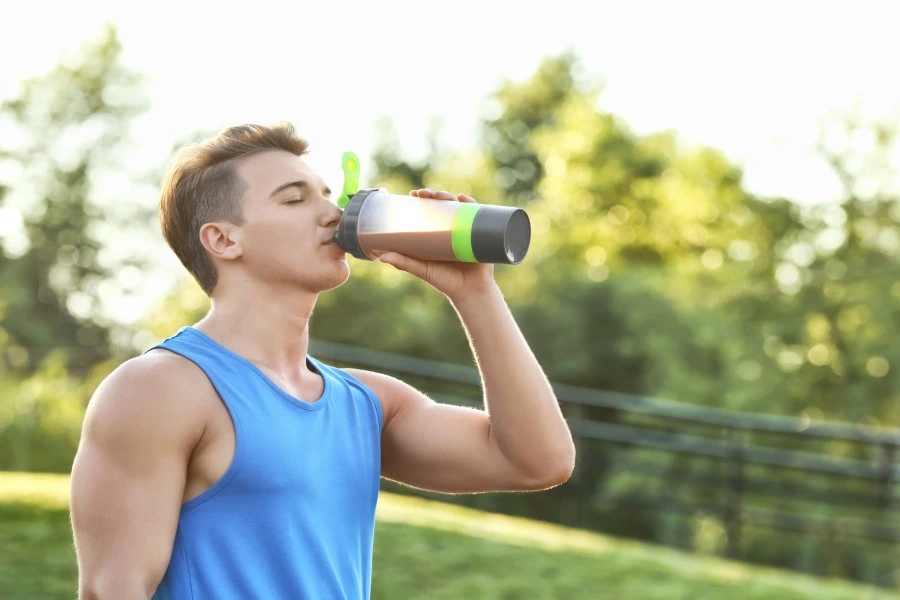 Post-workout drinks packed with protein and functional ingredients for improved muscle recovery are being driven by health and wellness trends.
Packing in protein
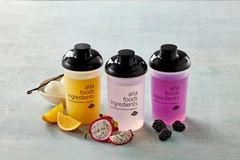
At Fi Europe 2025 in Paris, France, last month, Jeppe Sand Laursen, global head of sales, SBU Food at Arla Foods Ingredients, highlighted the company’s new high-protein concepts that tap into the demand for functional dairy beverages.
Another company working on protein-enriched beverages is Tetra Pak, which recently expanded its ingredient portfolio to include sunflower protein, targeting the plant-based and functional beverage markets.
Sasha Ilyukhin, Senior VP of Global Processing Services and Services Solutions at Tetra Pak, says: “Sunflower protein is a renewable and flexible ingredient that opens the door to new product opportunities without requiring major changes to existing lines and product formulations.”
“With its adaptable flavor and nutritional benefits, it’s a great way for producers to expand product portfolios using current infrastructure, attract health-conscious consumers, and stay ahead of market trends.”
What’s next in functional beverages?
Rapid growth and innovation are forecasted for the functional beverages segment in 2026, while demand for clean label and natural ingredients, such as probiotics, adaptogens, and botanicals, is expected to surge.
Expected NPD in 2026 includes more prebiotic sodas and drinks with added live cultures, as well as fiber-enhanced drinks.
There will also be more robust moves to clean up the energy drinks category in light of the new dietary guidelines in the US, and the expanding sugar levies in the UK and elsewhere. Consumers are pushing for sustained energy and metabolic support without synthetic stimulants and want to mitigate a caffeine overload that leads to crashes.
“Products featuring caffeine from yerba mate, and calming botanicals like chamomile or lemon balm, are expanding beyond traditional teas into sparkling waters, functional juices, and even energy drink hybrids,” Simon van Wieringen, global product manager, Wellness Food & Beverage at Givaudan, recently told us.
“Consumers respond positively to products that make relaxation part of their daily ritual, especially when paired with familiar flavors that promote comfort and reassurance.”
Also expect more from better-for-you sodas, more botanical infusions, and a lot of movement in alcohol alternatives as functional drinks.
GLP-1s driving functional beverages
The rapidly growing new consumer groups using GLP-1 weight loss medications are also seeking more nutrient-dense beverages.
Martin Schweizer, VP of technical development at Burcon NutraScience Corporation, recently told Food Ingredients First: “Consumers — especially those using GLP-1 weight loss medications — seek nutrient-dense foods and beverages supporting their lifestyle and dietary goals.”
“They are more likely to reach for functional beverages that have an added boost to health and wellness, particularly beverages that incorporate protein to boost its nutritional profile.”



Upcoming webinars

2027 Food Safety Risks for Quality & Compliance Leaders
FoodChain ID

Formulating for function: Developing benefit-led beverages with natural colours, botanicals, and flavours
Givaudan Sense Colour
Let's reveal the grain potential: Innovate
Meurens Natural