



Wegovy pill green light: MHRA authorization set to drive nutrient-dense F&B innovation in UK


Key takeaways
- The MHRA has authorized oral semaglutide in the UK, opening a non-injectable GLP-1 route for the first time.
- Oral GLP-1 approval is expected to expand the user base and intensify demand for targeted nutritional formulations.
- ING projects oral GLP-1 adoption could reduce total European calorie intake by up to 3.5% by 2030.

The Medicines and Healthcare products Regulatory Agency (MHRA) has officially authorized Novo Nordisk’s semaglutide (Wegovy) tablet for use in the UK as a GLP-1 oral solution — a move that could have substantial effects on F&B formulation.
Though the pill is not currently available from the National Health Service (NHS), the UK government states that decisions from the NHS will follow set processes, including an evaluation by the National Institute for Health and Care Excellence (NICE).
MHRA states that the tablet is licensed for adults with obesity, or for those who are overweight with at least one weight-related condition, and is intended for use alongside a reduced-calorie diet and increased physical activity. It is the first oral GLP-1 receptor agonist of its kind authorized in the country.
“Having met the MHRA’s rigorous standards of safety, quality, and effectiveness, the semaglutide tablet has been approved in the UK for weight loss and weight management,” says Julian Beach, the executive director of healthcare quality and access at the MHRA. “As with all GLP-1 receptor agonists, this is a prescription-only medication.”
At the same time, Tate & Lyle recently spoke with us about how the Wegovy pill could impact F&B.
“Recent GLP‑1 developments — especially the move to an oral semaglutide pill — will expand both the user base and the range of nutritional support needs brands must address,” Emma Cahill, Tate & Lyle’s global marketing director, sweeteners, fibers and GLP-1, tells Food Ingredients First.
“For brands, this means a growing need for highly targeted, use-stage‑specific formulations.”
Pills expand GLP-1 access
This approval gives the UK a non-injectable route to a treatment that ingredient suppliers and analysts recently told us represents a structural shift in consumer demand.
In April, economists at ING told Food Ingredients First that the arrival of oral GLP-1s would be among the developments sustaining interest in the drugs and supporting higher demand. ING reveals that continued growth depended in part on the successful introduction of more medications, including pills.
ING’s analysis projected that GLP-1 adoption could reduce total calorie intake in Europe by 2.5–3.5% by 2030 in its most transformative scenario, while noting that the near-term impact on food demand remained limited.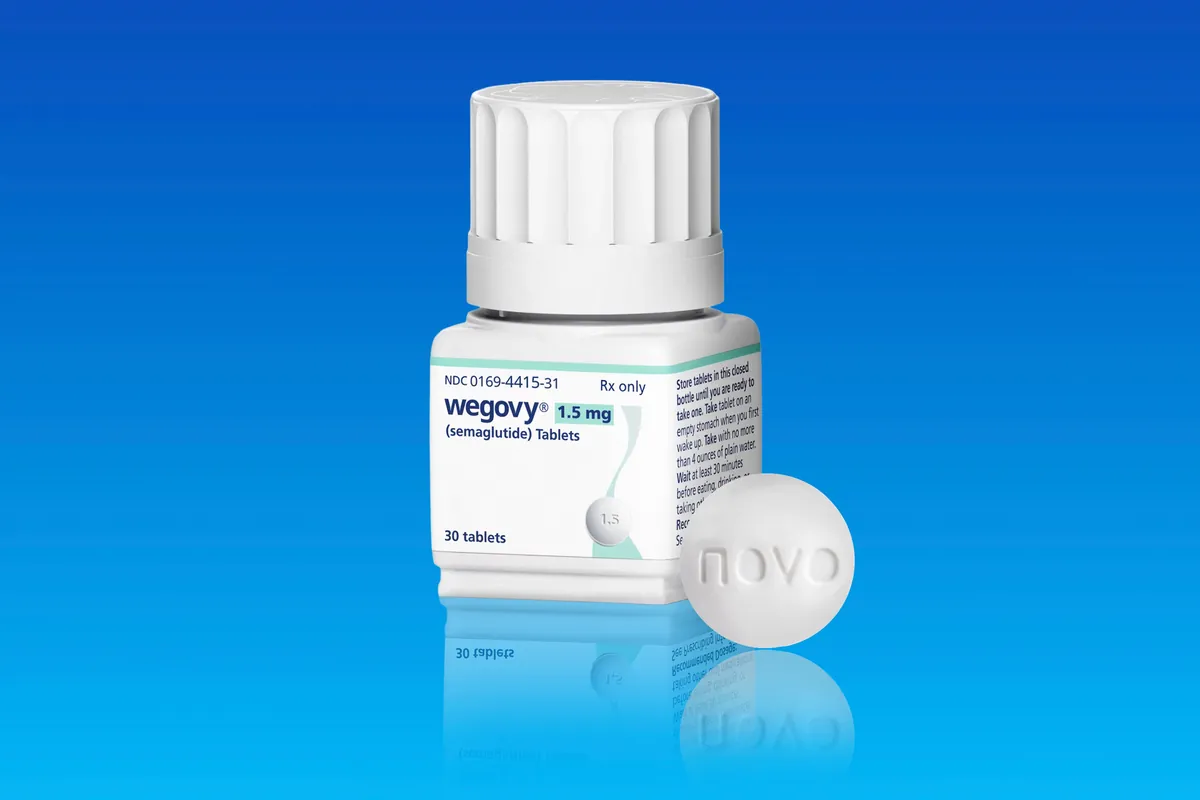 The move to an oral semaglutide pill could expand the GLP-1 user base and increase demand for use-stage-specific formulations in the UK.
The UK has been an early focus of that demand. Analysis from the Agriculture and Horticulture Development Board, shared with us in February, identifies opportunities for the dairy sector as GLP-1 use rises, and points to growth in high-protein yogurt, cottage cheese, and whey-based products. Especially among users who are eating smaller, more nutrient-dense portions.
Tate & Lyle’s 2025 proprietary ingredient tracker surveyed 1,000 respondents across seven markets. Cahill says the results show a strong correlation between national rates of diabetes, overweight, obesity, and GLP-1 uptake. She also points out how different ingredients can have different effects for GLP-1 users.
“Successful benchmarks are that consumers must feel the beneficial effects of the ingredient or have expectations managed when the effect is felt over time, in the medium-long term,” Cahill explains. “With ingredients like protein, satiety effects are often felt more immediately than with fiber.”
“With fiber, benefits such as reduced intake (eating less) are felt at and during the next meal, rather than feeling full immediately during the eating occasion. Similarly, the overall benefits of getting enough fiber can be felt with long-term consistent consumption. Managing those expectations is important in supporting consumers in building sustainable new habits for weight management.”
GLP-1 formulation
Suppliers have set out how they are formulating for this consumer group. Roquette’s head of R&D for the Americas recently told us that consumers using GLP-1 therapies eat less overall, which raises the importance of delivering protein and fiber.
Other suppliers, including Beneo, Carbery, and FrieslandCampina Ingredients, have pointed to “compact nutrition” and the nutrient gap created by smaller portions as a formulation priority.
On sugar reduction, experts from Kerry, ADM, Samyang, and Cargill state that GLP-1 medications appear to alter users’ perception of sweetness, which reframes reduced-sugar work as a sensory challenge rather than a straightforward ingredient swap.
“Our nutrition business partners and research team are heavily involved in formulation recommendations and bringing to the fore all of the great nutrition research behind the relevant consumer health benefits of any of our ingredients,” Cahill concludes. “This is especially true for anyone looking to make claims and positioning related to GLP-1 trends.”