

Barry Callebaut and Arla target dairy emissions with farm-level carbon partnership

Key takeaways
- Barry Callebaut and Arla have launched a three-year partnership to reduce emissions linked to UK-sourced skimmed milk powder.
- Arla will provide annual farm-level carbon data and financially reward farmers adopting emissions-reduction practices.
- The initiative supports Barry Callebaut’s Scope 3 targets as both companies navigate challenging dairy and chocolate markets.
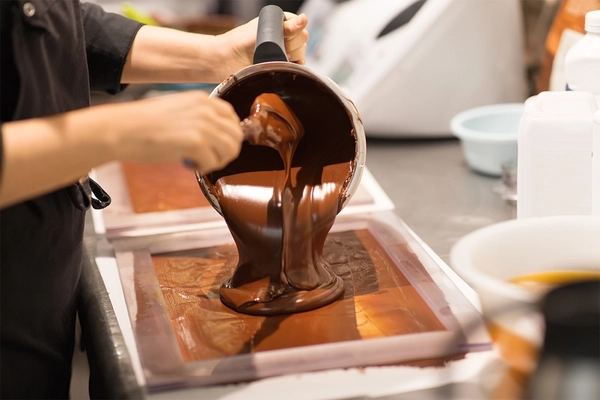
Barry Callebaut has launched its first dairy partnership focused on reducing on-farm emissions and incentivizing farmers. The chocolate manufacturer has teamed up with Arla Foods to reduce emissions associated with skimmed milk powder sourced from the UK.
The three-year collaboration will operate through Arla’s FarmAhead Customer Partnership program, combining farm-level emissions data with financial incentives for farmers implementing emissions-reduction practices.
Under the agreement, Arla will provide annual primary carbon footprint data linked to the dairy volumes supplied to Barry Callebaut. The chocolate and cocoa supplier says this will give it greater visibility into its dairy supply chain and support progress against its Scope 3 climate targets.

“Decarbonizing dairy is essential to reducing our carbon footprint, and this partnership is a testament to our commitment to driving meaningful progress,” says Tilmann Silber, head of Net Zero at Barry Callebaut.
Barry Callebaut has not disclosed the volume of skimmed milk powder covered by the agreement, the number of farms involved, or a specific emissions-reduction target for the partnership.
Moving climate action to farm level
The collaboration will align its reporting with recognized greenhouse gas and dairy carbon footprint methodologies. The program also includes incentive payments for farmers applying practices intended to reduce emissions across the shared supply chain.
Arla’s FarmAhead Check uses data covering feed composition, fertilizer use, animal numbers, manure management, crop production, fuel, electricity, and renewable energy. The information is used to calculate the carbon footprint of milk at farm level and identify potential areas for improvement.
The cooperative’s incentive model rewards farmers through the milk price for actions associated with climate efficiency, nature, and biodiversity. Key areas include improving feed and protein efficiency, animal health, fertilizer use, and crop yields.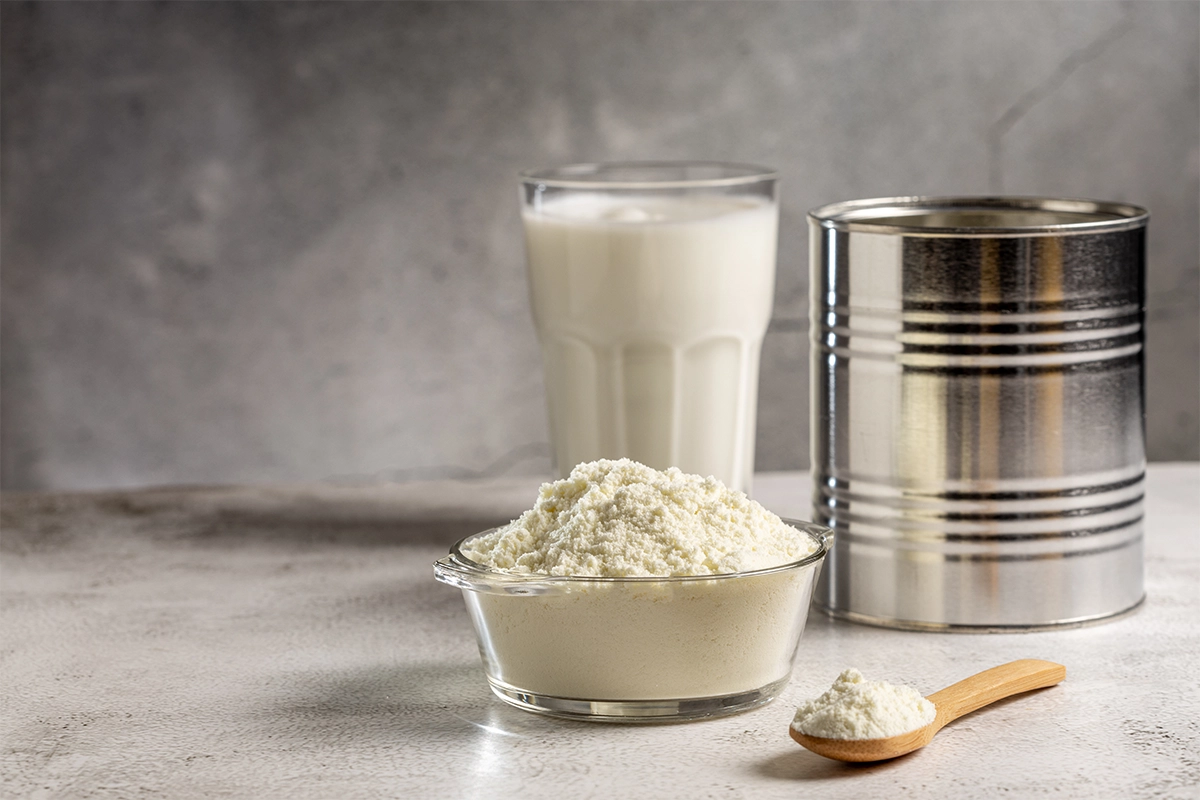 Barry Callebaut and Arla target emissions linked to UK-sourced skimmed milk powder.
Cathrine Konge Varming, senior director of sustainability innovation and development at Arla, says the partnership will support the work of Arla’s farmer-owners while supplying Barry Callebaut with data for its emissions reporting.
The initiative represents Barry Callebaut’s first supplier partnership specifically combining dairy emissions reductions with direct farmer incentives. The company describes it as a foundation for developing scalable, lower-carbon dairy sourcing models with other strategic suppliers.
Tackling chocolate’s dairy footprint
Dairy is a significant contributor to the footprint of milk chocolate, fillings, coatings, and other confectionery products. Barry Callebaut identifies dairy as its second-largest source of agriculture-related greenhouse gas emissions after cocoa.
The partnership feeds into Barry Callebaut’s Net Zero roadmap, under which the company aims to reduce its total emissions across all three scopes by 30% by 2030, compared with a 2022 baseline. Its targets include a 30.3% reduction in Scope 3 emissions associated with forest, land, and agriculture.
It will also support the supplier’s wider Net Zero Chocolate Solutions, which are designed to help food manufacturers address emissions across the full value chain of their chocolate products.
Barry Callebaut has previously worked on methane-reducing feed additives, carbon-insetting methodologies, and farm-level dairy emissions data. The Arla agreement broadens these efforts by pairing annual reporting with farmer incentives in a shared sourcing relationship.
Market pressures frame partnership
The partnership comes as Arla handles growing milk supplies across Europe. The cooperative recently reported that high milk availability was putting pressure on conventional dairy commodities, including skimmed milk powder.
In the first half of 2026, the share of Arla’s milk solids sold through its Global Industry Sales division rose to 35.4%, compared with 28.5% a year earlier. Prices for butter, skimmed milk powder, and Gouda fell by an average of 27.3%.
At the same time, demand for specialized dairy ingredients remained strong, with Arla Foods Ingredients reporting a 19.3% increase in revenue amid higher whey protein prices and growing interest in nutrition applications.
The partnership also comes as Barry Callebaut navigates a challenging chocolate market. The group returned to volume growth in the third quarter of fiscal 2025/26, with total volumes rising 5.7% and Global Chocolate volumes increasing 3.2%.
However, volumes remained down 2.8% over the first nine months, and the company expects its recovery to be gradual.