

Novonesis invests €600M in India enzyme facility to expand biomanufacturing capacity

Key takeaways
- The Patalganga facility will strengthen Novonesis’ biosolutions supply network across India, the Middle East, Africa, and South Asia.
- It will serve food, biofuels, and industrial markets while improving supply resilience and technology access.
- The site will use water recycling and energy-efficient systems to reduce resource use and emissions.
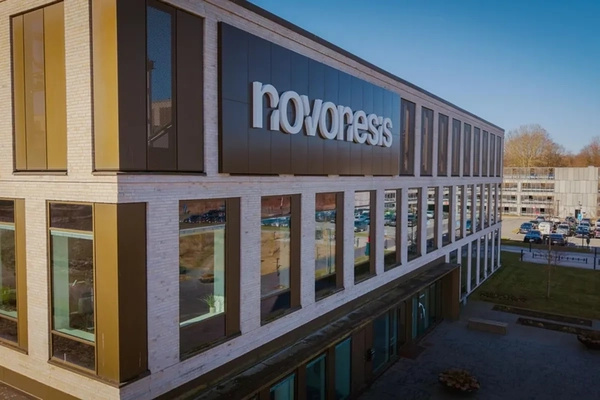
Novonesis is advancing enzyme production in India with a €600 million (~US$699 million) investment, tapping the country’s rising importance as a biomanufacturing hub across food, energy, and industrial applications.
The Patalganga, Maharashtra, site will strengthen the biotechnology company’s ability to serve high-growth markets across India, the Middle East, Africa, and South Asia, where it expects continued strong demand for biosolutions.
By expanding its enzyme capabilities, Novonesis plans to support industries seeking greater supply resilience as F&B players turn to sustainable solutions to tackle climate and cost challenges.
Novonesis says the facility will use water recycling and energy-efficient technologies to reduce resource consumption and lower Scope 1 and 2 emissions.

India’s rise as a biomanufacturing hub
Novonesis’ investment comes as India strengthens its position as a biotechnology manufacturing hub — supported by government initiatives such as the BioE3 framework. The framework aims to accelerate the innovation and manufacturing of bio-based products, including bio-based chemicals and enzymes.
Krishna Mohan Puvvada, regional president for the Middle East, India & Africa at Novonesis, describes the country as being “perfectly positioned at the crux of emerging markets.”
“India also has the talent and skillsets needed to make this facility a reality, and deliver on our ambitions toward a bio-based economy,” he tells Food Ingredients First.
“The facility will be integrated into our global production network, enhancing operational resilience, supply flexibility, and customer proximity. These factors make India an ideal location for a next-generation production facility and a key part of our long-term growth strategy.”
The biomanufacturing hub is expected to be fully operational in 2030, producing enzymes for industries including F&B, biofuels, and household care.
Accelerating bio-based innovation
Beyond manufacturing capacity, the investment aligns with India’s broader push to scale biotechnology-led industries while transitioning toward a more sustainable and bio-based economy.
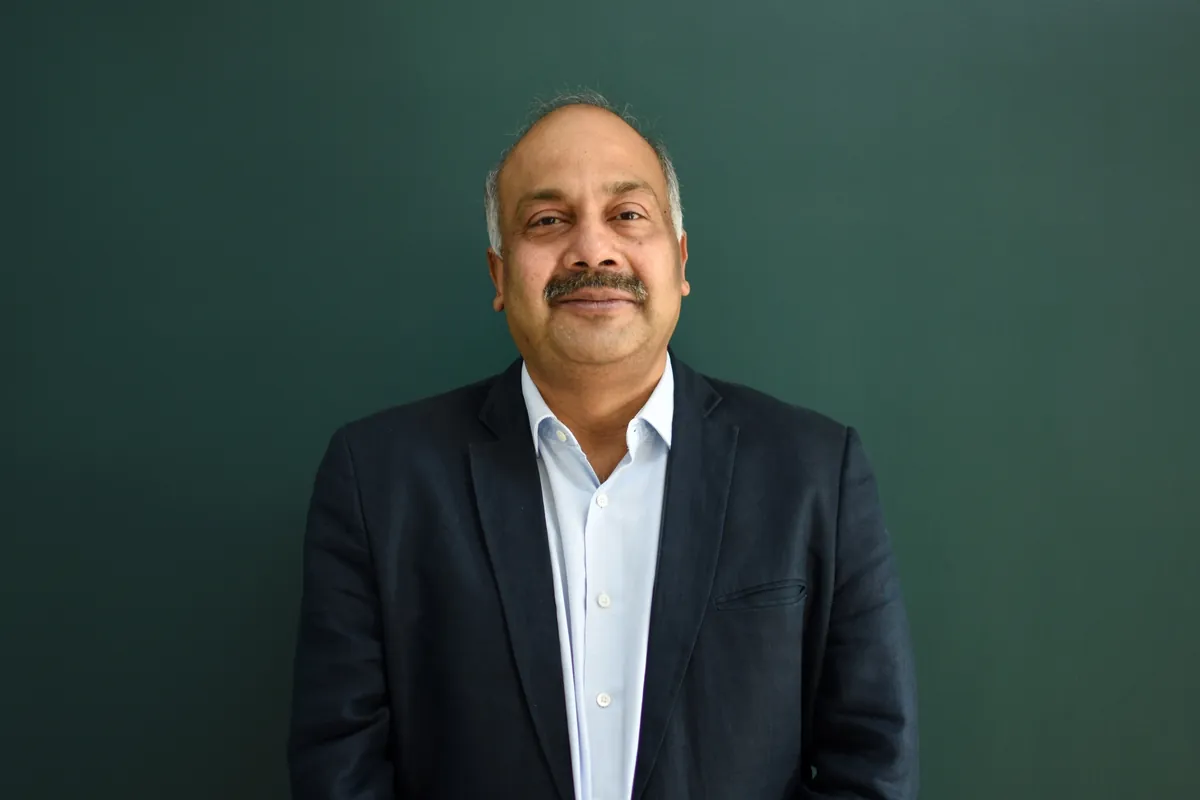 Krishna Mohan Puvvada: Food processors are turning to biosolutions to improve resource efficiency, reduce waste, and maximize output.The BioE3 framework aims to accelerate biotechnology-led manufacturing, innovation, and sustainable industrial growth, Puvvada tells us.
“The country is also pursuing ambitious goals around energy security, food system efficiency, and lower-carbon production. As India pursues twin challenges of becoming a developed economy by 2047 and achieving net-zero by 2070, we expect industry to strongly embrace sustainability efforts toward reducing their carbon footprint, where biosolutions can be of help.”
He further emphasizes that businesses are looking for “greater supply resilience, shorter lead times, and reliable access to advanced technologies.”
F&B manufacturers turn to biosolutions
Among food processing industries, the demand for biosolutions is increasingly driven by resource efficiency, particularly in the face of raw material price volatility, Puvvada notes.
“This drives the momentum from industry toward biosolutions that support sustainable production processes, enable less waste, better utilization, and production of more output from the same resources.”
At the same time, rising consumer expectations and regulatory momentum around healthier living are translating into consumer resonance around cleaner labels and ingredients, as well as higher-quality food and non-food products.
“Having a biosolutions facility that helps our customers formulate cleaner products and functional foods with less chemical inputs will help meet that end consumer demand,” Puvvada emphasizes.
“As producers look for ways to strengthen sustainability performance and meet evolving consumer expectations, interest in biosolutions continues to increase.”
Novonesis will showcase its solutions for coffee and bakery products at Fi Asia Indonesia 2026 (Sep 16–18).