


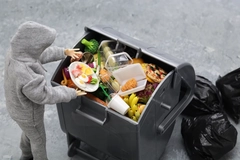

January in review: Infant formula crisis, cultivated meat collapse, EU trade deals


Key takeaways
- Nestlé faced scrutiny following a major infant formula recall due to contamination with cereulide, which affected other major companies like Lactalis and Danone.
- EU trade deals made headlines with the EU-Mercosur agreement offering opportunities and challenges for European food industries, while the EU-India trade deal also promised tariff cuts.
- Food trends included a rise in GLP-1-friendly menus and functional beverages targeting holistic health.
In January 2026, a major recall of infant formula products unfolded across multiple countries due to contamination. The crisis, initially involving Nestlé, spread to other major companies like Lactalis and Danone, affecting a range of formula brands.
The EU-Mercosur agreement sparked debate over its impact on European food supply chains, while the EU-India trade deal promised to slash tariffs on Indian exports, such as spices, tea, and processed foods.
Food trends evolved with the rise of GLP-1 medications, leading to the launch of high-protein, low-carb menu options catering to users of these weight-loss drugs. Functional beverages were also growing, offering health benefits beyond hydration.
We look back at the biggest stories from January.
How the US takeover of Venezuela could reshape F&B supply chains
The US military operation that resulted in the capture of the Venezuelan President sent shockwaves through global markets, primarily in the energy and oil sectors. However, the country’s vast agricultural resources will likely see dramatic changes over a longer timeframe. Carlos Mera, head of agri commodity market research at Rabobank, told us more.
New Year menus target GLP-1 users seeking high protein and low carb options
Today’s food-related New Year’s resolutions include a new paradigm shift: the growing use of GLP-1 medications for weight loss. We explored how a host of restaurants, grocers, and foodservice outlets are launching GLP-1-friendly products and menu modifications to align with the specific dietary needs of GLP-1 users. January saw major recalls from Nestlé, Lactalis, and Danone after contamination issues shook the infant formula market, highlighting global food safety concerns.
Nestlé under fire over “unacceptable” delay in historic infant formula recall
Nestlé faced what Austrian authorities described as the largest product recall in the company’s history, as infant formula contaminated with a bacterial toxin was withdrawn from sale across more than 60 countries. The crisis spread to Lactalis and Danone as casualties mounted and regulatory gaps emerged.
“Eat real food”: Trump administration’s new dietary guidelines divide opinion
The US Trump administration released its 2025–2030 Dietary Guidelines for Americans, nearly doubling daily protein recommendations and explicitly calling on citizens to avoid “highly processed” foods. The Institute of Food Technologists called for more collaboration with the scientific community “to promote clarity, consistency, and trust in the recommendations and their implementation.”
Innova Market Insights reveals Top Global Flavor Trends 2026
Food Ingredients First sat down with Lu Ann Williams, Innova Market Insight’s global senior vice president for research, to unpack the five consumer and market-driven flavor trends poised to reshape global food and beverage innovation in 2026 and beyond.
Beverages with benefits: The functional drink innovations shaping 2026
Functional beverage innovators were poised to push the boundaries further this year by developing drinks that transcend refreshment and hydration to target holistic health benefits, encompassing the body, mood, and mind — all in convenient formats. We explored the latest innovation in this burgeoning market.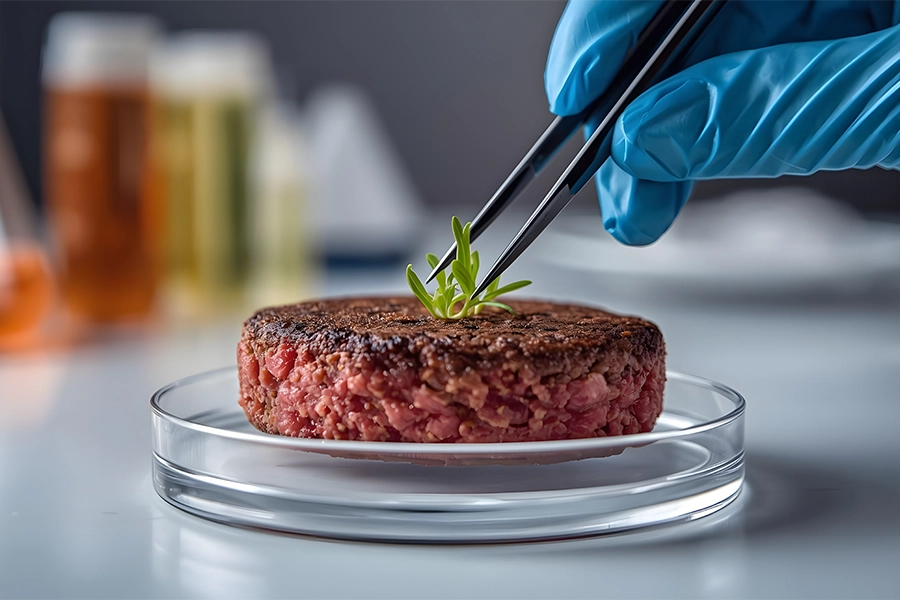 The cultivated meat sector faced a sharp 93% drop in investment, with key players like Meatable and Believer Meats shutting down, signaling tough times ahead for the industry.
Cocoa prices ease but alternatives and reformulation stay in focus
Cocoa prices fell as favorable weather and West African harvest forecasts boosted supply expectations. However, the EU Deforestation Regulation continues to reshape sourcing costs as chocolate makers keep exploring production reformulations and cocoa alternatives. We looked deeper into this fast-changing industry.
EU-Mercosur: What the world’s largest free trade zone means for F&B supply chains
After a quarter-century of negotiations, the EU-Mercosur trade agreement cleared its most significant hurdle — but the F&B industry remained deeply divided over what it means for European supply chains. Food Ingredients First explored which food and beverage sectors stand to win or lose from the landmark deal.
How Cargill is leveraging fermentation to tackle the protein challenge
Fermentation — one of the oldest food practices — is becoming a modern industrial platform. Ingredient leaders are using advanced fermentation to deliver high-quality protein with lower environmental impact. At its European Innovation Center, Cargill showed us how it positions fermentation as an end-to-end industrial capability — not just an R&D function.
“Cultivated meat is broken”: Former Meatable CEO says start-ups must sell or die
In 2021, investors poured nearly US$1 billion into cultivated meat. Last year, that figure was US$65 million — a 93% collapse, according to AgFunder data. In late 2025, two of the sector’s most prominent companies ceased operations: Meatable and Believer Meats. Former Meatable CEO Jeff Tripician told us why the sector has taken such a fall.
EU-India trade deal: How could tariff cuts reshape F&B industries?
The EU-India trade deal could reshape the F&B landscape by slashing billions in tariffs. Indian exports of spices, tea, and processed foods are set to benefit, while European sectors like dairy could face growing competition. Key winners include wine and spirits. We took a closer look at the potential impacts of this landmark agreement.