



EU-India trade deal: How could tariff cuts reshape F&B industries?

Key takeaways
- The EU-India trade deal could eliminate billions in tariffs, benefiting Indian exports of spices, tea, and processed foods.
- European sectors like dairy and sugar are concerned about increased competition and market protection erosion.
- Tariff reductions for wine and spirits could boost EU exports to India, creating significant growth potential in the Indian market.
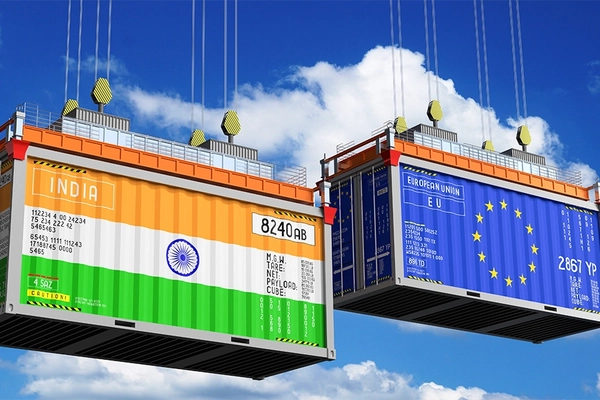
The EU-India trade deal, which could eliminate up to €4 billion (US$4.75 billion) in tariffs on EU exports, has sparked mixed reactions across F&B industries. Indian businesses, particularly in spices, tea, and processed foods, are optimistic, anticipating increased exports to the EU. However, European agricultural sectors, notably dairy and sugar, are concerned about increased competition and the erosion of market protections.
The Free Trade Agreement (FTA) will be sent to the European Council and Parliament, and India’s Cabinet, for approval before it takes effect. According to Brussels, the EU and India trade over €180 billion (US$213 billion) in goods and services annually.
The EU stated that tariffs above 36% on European food products, which it called “prohibitive,” will be reduced or eliminated.

Indian wine tariffs will decrease from 150% to 75%, eventually reaching as low as 20%. Tariffs on olive oil will drop from 45% to zero over the next five years. Additionally, tariffs on processed agricultural products, such as bread and confectionery, which can reach 50%, will be eliminated.
The FTA is expected to boost market access by reducing or eliminating tariffs on food products, benefiting both regions’ F&B industries. Indian food products will gain easier access to the European market, while European products can reach India at more competitive prices.
The deal will also enable cheaper imports of ingredients from Europe and improve export opportunities for Indian producers of spices, tea, and other specialty foods.
Harmonized food safety standards and product labeling could simplify cross-border trade, although Indian exporters may need to adapt to the EU’s stricter regulations.
Additionally, the FTA could foster innovation and technology transfer, with European companies investing in India’s food sector and sharing advanced processing technologies. Indian exporters, especially those offering organic, sustainable, and plant-based products, could benefit from growing demand in Europe.
Dairy industry disruption?
“Sensitive” European agricultural sectors, such as dairy, beef, chicken, rice, and sugar, have been excluded from the pact. However, these sectors are concerned by longer-term market shifts, potential regulatory issues, and the risk of future liberalization that could expose them to more competition.
While dairy is not expected to face tariff cuts, related sectors, such as processed foods and ingredients, like milk powders or dairy-based products, could benefit from reduced tariffs, leading to increased competition from Indian dairy-based imports in the European market. Additionally, non-tariff barriers, such as food safety regulations and quality standards, could complicate market access for Indian dairy products, but still create a level of competition with European producers.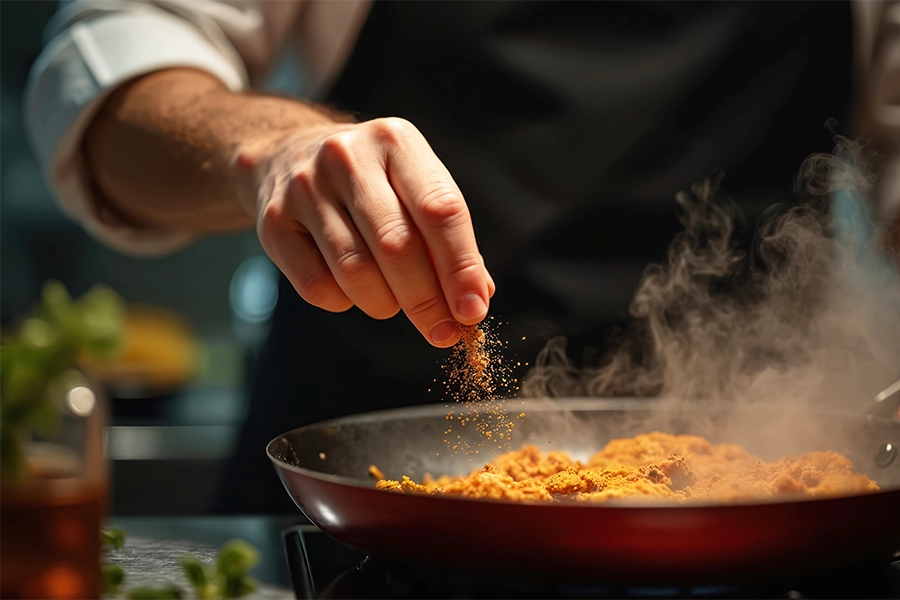 The EU-India trade deal promises to boost Indian food exports, opening new markets for spices, tea, and processed foods, while EU sectors like dairy brace for increased competition.
The dairy industry is also a politically delicate sector for New Delhi, supporting around 80 million smallholder farmers. Liberalizing dairy imports could undermine livelihoods and destabilize this delicately balanced value chain. There are concerns that opening up the sector in future trade talks could result in greater exposure to international market fluctuations and reduce the leverage that India has over its domestic dairy market.
Furthermore, the potential future liberalization of these sectors may not only increase competition but also prompt a reassessment of subsidies and support mechanisms for European and Indian producers, raising questions about the sector’s sustainability in both regions.
Spirits sector toasts agreement
European trade association SpiritsEurope says the agreement is a game-changer for the sector. Under the agreement, tariffs on EU spirits will be cut by half, followed by a gradual reduction to 40%. India is the second-largest spirits market globally by volume, after China, and its consumers drink more spirits than beer or wine.
“Cutting tariffs from 150% to 40% will unlock long-term growth, create new jobs across the value chain, and give Indian consumers greater choice through a complementary, rather than competing, offering,” says Mark Titterington, SpiritsEurope’s director general.
“The deal benefits both sides: a stronger EU presence will support market diversification, boost revenues, attract investment, and generate downstream employment in India, without displacing domestic production.”
The agreement builds on a decade in which the value of EU spirits exports to India increased sixfold, despite historically high tariffs and regulatory barriers, according to SpiritsEurope. While the market remains primarily whisky-driven, growing demand for quality, authenticity, and premium products means all EU spirits categories stand to gain, the association says.
SpiritsEurope also welcomes the creation of a dedicated EU-India Working Group on Wine and Spirits, which will allow both sides to deepen regulatory dialogue, enhance mutual understanding, and address market access concerns.
Wine industry a big winner
The European Committee of Wine Companies (CEEV) also welcomes the FTA, saying the agreement is not only beneficial for the competitiveness of European wines but also for reinforcing the EU’s role as a global leader in promoting stability and open, rules-based trade.
“India, with a population exceeding 1.4 billion and a rapidly expanding middle class, offers significant untapped potential for European wine exports. At a time when the sector is increasingly exposed to geopolitical trade tensions and disruptions in traditional export markets, India represents a strategic alternative that can contribute meaningfully to the diversification, resilience, and long-term sustainability of EU wine exports,” says Marzia Varvaglione, CEEV’s president. With tariff reductions on wine and spirits, the EU-India trade deal offers significant growth potential for European exports to India.
CEEV points out that the EU wine sector is the world’s leading exporter, with more than €16.6 billion (US$19.7 billion) in exports in the last campaign year, but, in the same period, EU wine exports to India reached only €7.7 million (US$9.1 billion). The current wine tariff regime, comprising a 150% ad valorem customs duty, is among the highest globally and severely restricts market access, it says.
Under the FTA, EU wines and aromatized wine products could see tariffs halved immediately and, within seven years, reach a final tariff of 30% for wines priced between €2.50 (US$2.90) and €10 (US$11.80) per bottle, and 20% for wines priced above €10 (US$11.80) per bottle.
The deal also aims to strengthen the protection of Geographical Indications, which is a significant concern for European wine producers, as it protects the names and reputations of iconic products like Champagne, Port, and Sherry.
Animal welfare concerns
Animal‑welfare organizations have called on negotiators to make animal welfare a priority in the EU-India trade deal, warning that current production conditions in India fall well below EU standards — such as the widespread use of battery cages for hens, high densities for broiler chickens and fish, and other practices that would not be permitted in the EU.
They argue that allowing imports from these systems without welfare safeguards could undermine animal protection and EU sustainability goals.
“Our investigation in India reveals shocking conditions for animals that Europeans have already rejected as unacceptable. Yet products from those conditions continue to reach EU consumers. Allowing cruel imports creates a race to the bottom that undermines our values and our farmers,” says Mandy Carter, co-executive director at Animal Policy International.
Stephanie Ghislain, political affairs manager at Eurogroup for Animals, adds: “The EU and India have a unique opportunity to show leadership by ensuring their trade relations do not negatively impact animal welfare. Animal welfare is a key component of sustainable food systems, and with the upcoming revision of the EU’s animal welfare legislation, including a ban on cages, it is important for the EU to show leadership and prepare its trade partners.”
EU member states voted to approve the EU-Mercosur trade agreement this month after a quarter-century of negotiations. However, the F&B industry remains deeply divided over what it means for European supply chains.